
Last updated November 24, 2026
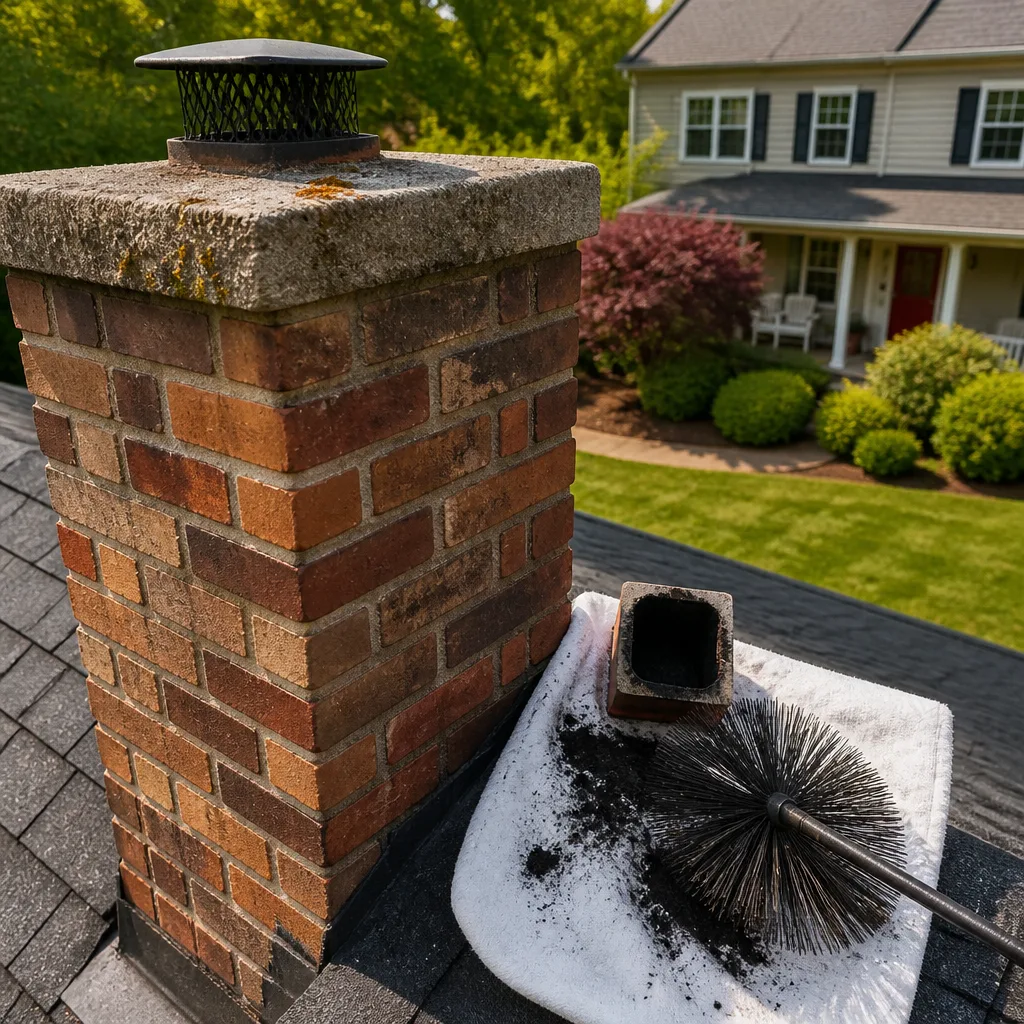 Sweep & inspection
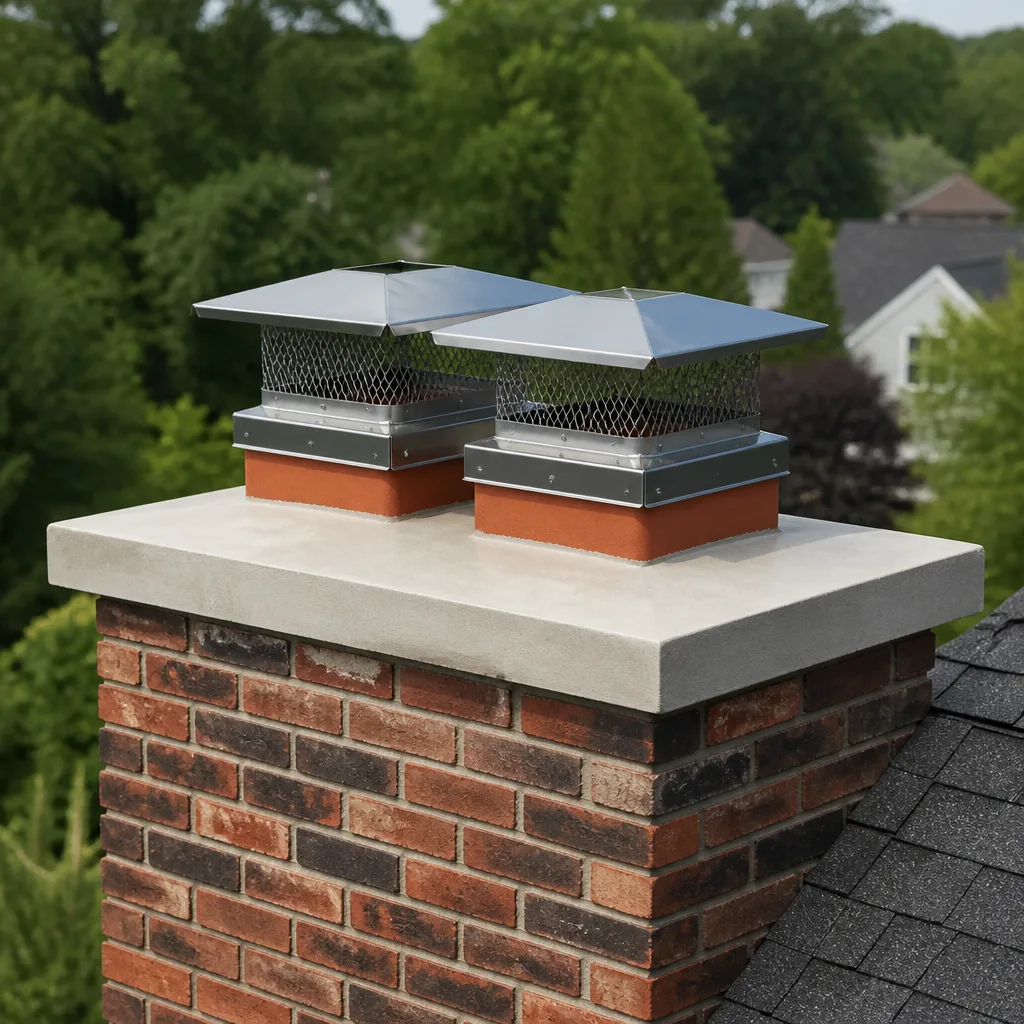 Caps & crowns
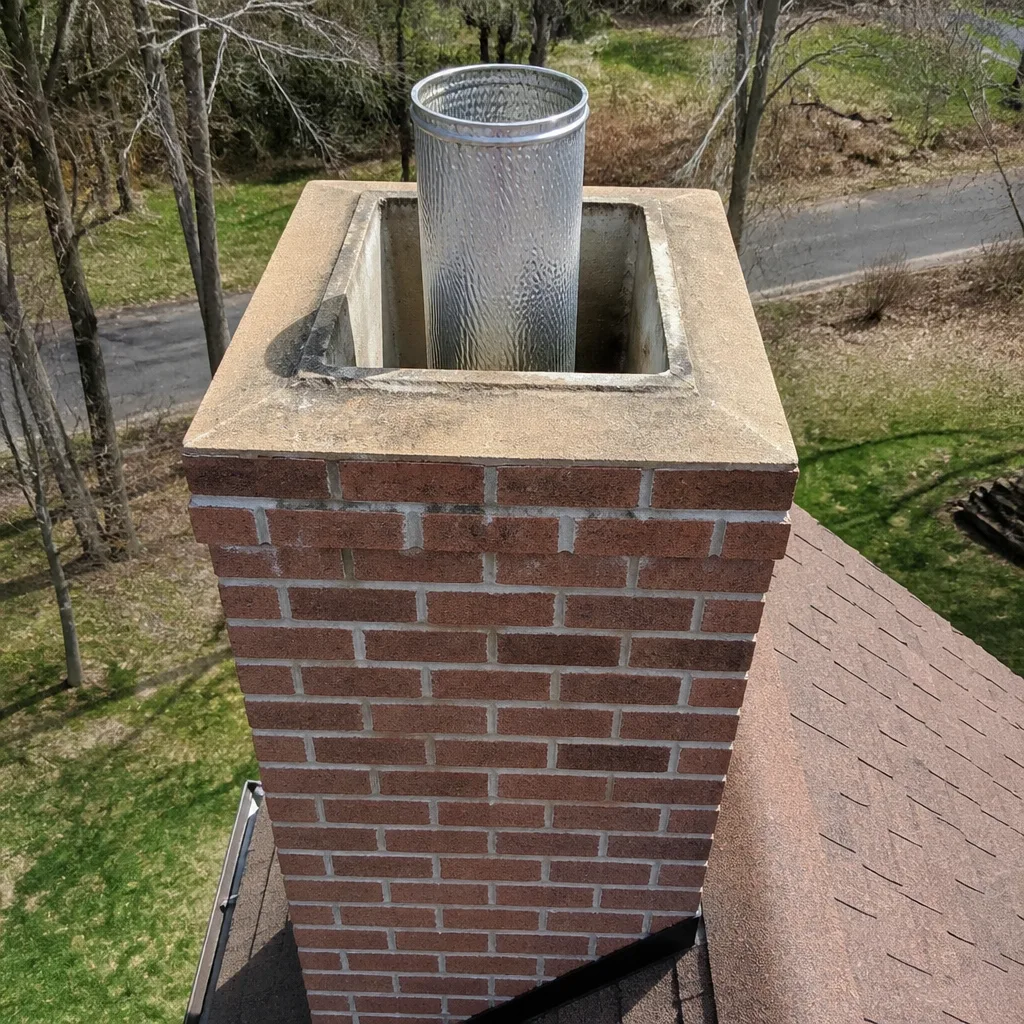 Flue relining
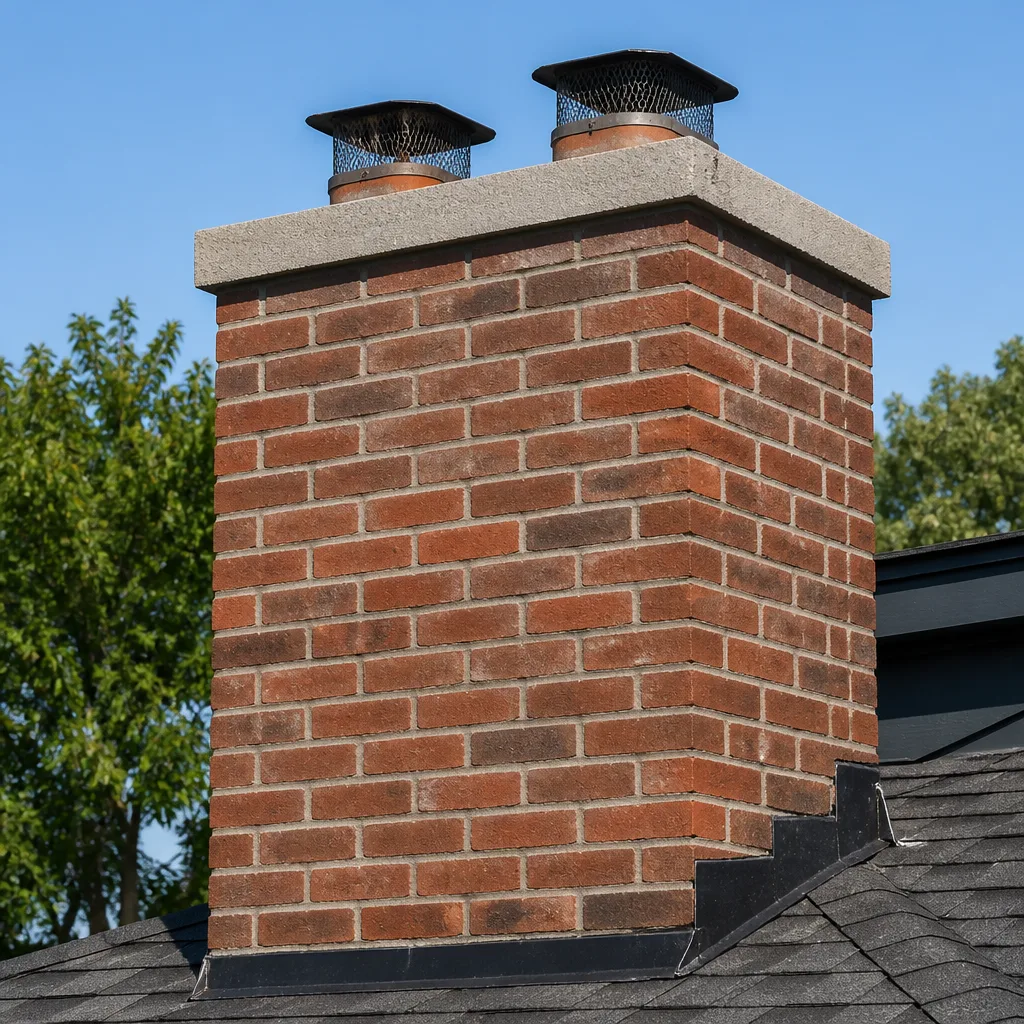 Masonry repair
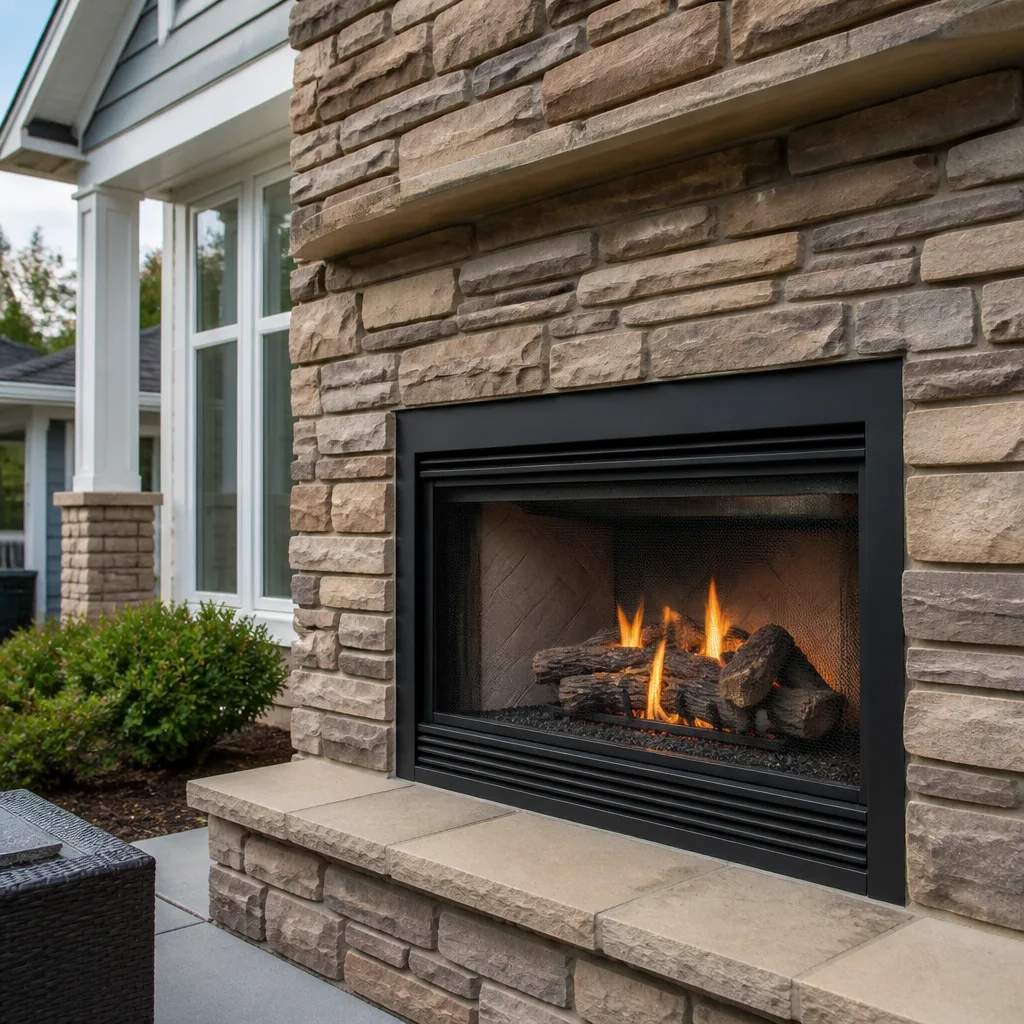 Gas fireplace service
Level 1 sweep and inspection to the NFPA 211 annual standard - flue, crown, cap, and flashing checked and photographed
Chimney sweep logs do not sweep chimneys. They loosen some creosote - which then falls where a brush and vacuum still have to collect it.
Chimney Sweep Maintenance Checklist for Cherry Creek Homeowners
Most chimney checklists treat the whole structure as one object: sweep it once a year and forget it. That is the wrong way to look at a chimney. On a Cherry Creek home, the chimney is a stack of parts that age at different speeds. The cap fails before the crown. The crown fails before the liner. The flashing can leak for years while the masonry looks fine from the driveway. A single annual cleaning tells you almost nothing about the parts that actually cause expensive damage. Our technicians have up to 12 years of experience, and the checklist below is built around component-by-component cadence rather than a once-a-year sweep. This is a checklist you use, not one you file.
Quick Answer
A working chimney checklist for Cherry Creek means separating the system into its parts (cap, crown, flashing, liner, smoke shelf, firebox) and giving each one its own check: ground-level visual checks quarterly, a professional inspection and sweep once a year before the first fire, and a post-season review after the last fire of winter. Most of what goes wrong is visible from the ground if you know what part you are looking at.
Styles & brands we work with
- Sweep & inspection
- Caps & crowns
- Flue relining
- Masonry repair
- Gas fireplace service
Table of Contents
- Why the Chimney Is Six Systems, Not One
- What You Can Check From the Ground
- The Seasonal Cadence: September, January, April
- The Cap: First to Fail, Last to Be Checked
- Hail Season and Your Chimney Cap and Crown
- The Creosote Self-Check With a Fireplace Poker
- Prefabricated Chimneys: A Different Checklist
- What Requires a Professional
Why the Chimney Is Six Systems, Not One
The chimney is a system of components stacked vertically, and each component fails on its own timeline. Treating it as a single object is how small problems get missed until they touch the structure. When we open a chimney in Cherry Creek, we are reading six separate parts, not one.
- Cap (mounted on top): blocks rain, snow, birds, and downdrafts. First component to fail because it takes the weather head-on.
- Crown (the concrete slab at the top of masonry): sheds water away from the flue. Cracks in the crown send water into the chimney body.
- Flashing (where the chimney meets the roof): the metal seal that keeps rain out of the roof-to-chimney joint. A silent leaker.
- Liner (inside the flue): contains combustion gases and keeps heat off surrounding framing. The safety layer.
- Smoke shelf (behind the damper): the ledge that turns rising smoke back up the flue. Collects soot and debris.
- Firebox (where the fire sits): takes direct heat and thermal cycling. Masonry joints crack over time.
Each part has a different inspection cadence and a different failure mode. A crown check at ground level is not the same task as a liner check that requires a camera or a light and mirror. In a Cherry Creek home with a masonry chimney, the firebox and crown need the most frequent eyes; on a prefabricated unit, the cap and the metal flue are where problems show first. We install and work with professional trade systems including DuraFlex flexible liners and HeatShield liner resurfacing, and the reason a component approach matters is simple: a generic sweep does not tell you which of these six is in trouble.
What You Can Check From the Ground
You do not need a ladder to run the most useful checklist items. A ground-level walkaround catches the majority of visible wear on a Cherry Creek chimney, and it takes about ten minutes with a pair of binoculars. A chimney inspection is available as a standalone service, but the homeowner-side checks below are how you know when to book one.
- Look at the cap. From the driveway, is there a cap at all? Is the mesh or the top plate rusted through or bent? A missing cap is the biggest single warning sign.
- Look at the crown. The concrete slab at the top should have a slight slope away from the flue. Visible cracks, crumbling edges, or a flat or dish-shaped top mean water is pooling.
- Check the flashing line. Walk around the roof edge at ground level where the chimney meets the roofline. Look for rusted metal, missing caulk lines, or staining on the shingles or brick below.
- Scan the brickwork. Spalling brick (faces flaking off), white chalky bloom, or dark streaks near the top all signal water intrusion.
- Check for debris at the base of the flue. A cap that has failed lets twigs, bird nests, and water down the flue. Visible debris at the smoke shelf or damper is a sign to call.
- Check the firebox from inside. Shine a light on the firebox walls and floor. Hairline cracks are normal aging; open cracks with loose mortar are not.
What you cannot check from the ground is the liner interior, the smoke shelf condition, the mortar joints inside the flue, and the crown-to-flue seal. Those need the top of the chimney and a light. A homeowner-facing ground check tells you when to book a professional inspection, not whether the system is safe to burn.
The Seasonal Cadence: September, January, April
One annual visit is not enough structure for a Cherry Creek homeowner. Break the year into three checkpoints and the checklist actually gets done. This is the cadence we walk homeowners through, and it matches the way the burning season runs along the Front Range.
September: Pre-Season
Before the first fire of the season, book the annual sweep and inspection. The flue has sat all summer, and a full year of creosote and any debris from the off-season need to come out before you burn. September is also the best time to schedule because the ground-level checks (cap, crown, flashing) are easier to read after the summer hail season has done its damage.
January: Mid-Season Spot Check
Mid-winter, you are burning regularly. This is the time for the creosote self-check (see below) after a hot fire, plus a visual look at the cap and crown from the ground during a clear day. If you notice smoke spilling back into the room, a draft change, or a strong creosote smell, that is a mid-season call. Do not wait until spring.
April: Post-Season
After the last fire of the season, do a full walkaround and document what you see: cap condition, crown cracks, staining on the brick, any interior soot smells. April checks in Cherry Creek catch winter damage before summer rain and hail add to it. This is also when you photograph anything that already looks damaged, so the record is clean if you file a claim later.
The Cap: First to Fail, Last to Be Checked
The chimney cap is the first component to fail on a Cherry Creek chimney and the last one most homeowners think to look at. A missing or cracked cap lets rain and snow travel straight down the flue, and that starts a repair bill that dwarfs the cost of a replacement cap. We install and service cap and crown as a distinct specialty for this reason, and we source caps from trade suppliers including Olympia Chimney and Copperfield.
What to look for on the cap:
- The top plate: rusted through, warped, or missing? Rust holes let water through.
- The mesh: torn, sagging, or pushed in? A torn mesh lets birds and squirrels in and stops doing its job against sparks.
- The legs: bent, loose, or gone? A cap that is not firmly mounted can blow off in high wind.
- The gap: does the cap sit far enough above the flue opening to let smoke out freely? A cap sitting too close causes downdrafts.
A cap with a rusted top plate or a torn mesh is not a cosmetic problem in Cherry Creek. It is the entry point for the water that cracks crowns, spalls brick, and rusts dampers. Replacement is a job for a chimney specialist because the cap needs to be sized to the flue, matched to the chimney type (masonry or metal), and anchored so it survives the next spring storm. Cap and crown installation is a standalone service here, and it is one of the two front-line defenses against long-term water damage.
Hail Season and Your Chimney Cap and Crown
Cherry Creek sits in the Front Range hail belt, and the chimney cap and crown take hail from directly above with nothing to shield them. Hail is the reason a post-summer check matters so much on a Cherry Creek house. The damage is not cosmetic: a cracked crown lets water into the chimney body, and a dented or punctured cap lets water straight down the flue.
What hail does to each part:
- Metal caps: dents, punctures, and loosened seams. A seam that splits has the same effect as a missing cap.
- Crowns: surface chips into deep star cracks; old or weakened concrete cracks more readily than sound concrete.
- Chimney tops and mortar: loose mortar at the top course and small chips in the brick edges.
How to document hail damage for insurance purposes:
- Photograph the cap and crown from a safe vantage point. Ground level with a zoom, or a clear view from a lower roof if you can reach it safely, is enough.
- Include a wide shot of the chimney in context with the roof and a close-up of the damaged part.
- Note the date of the hail event if you know it, even roughly.
- Do not climb onto the roof to inspect hail damage yourself. Hail-damaged shingles are a fall hazard.
- Have a chimney specialist inspect and document the damage in writing. A written report from someone who works on chimneys all day carries more weight with an adjuster than a photo alone.
We can work with your insurer on hail-related chimney damage, and the inspection report from a specialist gives you a written record to hand over. Documenting in the summer, before the claim window closes or the damage worsens, is the whole reason a September check exists in this checklist.
The Creosote Self-Check With a Fireplace Poker
You can gauge creosote buildup with a fireplace poker and a flashlight, and it is the single most useful mid-season check a Cherry Creek homeowner can run. After a fire has burned down and the firebox has cooled completely, reach the poker up into the flue above the damper and scrape the inside wall. Then look at what comes down.
- Fine, sooty black powder: stage-1 creosote. Normal, brushes off easily, no urgency beyond your usual annual sweep.
- Crusty, flaky, or hard dark deposits: stage-2 creosote. This is harder to remove and is the point to book a sweep before you burn again.
- Shiny, hardened, glazed, or tar-like: stage-3 creosote. This is the most combustible form. Stop burning and book a sweep now.
Also note how thick the deposit is: anything approaching a quarter inch of buildup means you are due. The color and texture matter more than the amount, because it tells you how hard the sweep will be. Creosote buildup is the main reason a chimney fire starts, and the reason we recommend sweeping before the first fire of the season rather than waiting. Our chimney sweep works the flue from the firebox up and checks the smoke shelf at the same time, which the poker check cannot do.
Prefabricated Chimneys: A Different Checklist
If your Cherry Creek home has a prefabricated metal chimney rather than masonry brick, the checklist narrows to three items that look nothing like the masonry list. Prefab systems are engineered assemblies, and the parts that fail are specific.
- The cap and spark arrestor: metal prefab caps rust and dent faster than masonry caps. Check the arrestor mesh for rust-through and torn screen, and confirm the cap is still firmly attached to the top of the flue.
- The metal flue and its joints: look for rust, discoloration, or loose sections at the flue top and any visible joint. A separated joint lets exhaust and heat escape into the chase.
- The firestop and chase enclosure: the metal firestop where the flue passes through framing needs to be intact. This is the safety layer on a prefab system and one a homeowner should not assess personally.
What is different about prefab: there is no crown to crack, no brick to spall, and no mortar joint to repoint. The failure modes cluster at the cap and at the flue connections. A prefab chimney should also be swept on the same annual cadence as masonry, and inspected by a specialist because the firestop and chase are inside the structure. If you are unsure what type of chimney you have, a professional inspection settles it in minutes.
What Requires a Professional
The homeowner checklist catches the visible problems. The rest of the system is what needs a professional, and the reason is measured in what you cannot see from the ground. A professional inspection covers the flue interior with a light or camera, the smoke shelf, the liner joints, the firestop on prefab systems, and the crown-to-flue seal. Sweeping the flue properly, identifying a cracked liner, and restoring a liner with HeatShield resurfacing are all professional work, and so is sizing and installing a new cap.
The safety caveat matters here. Creosote fires, liner cracks, and blocked flues are the parts of a chimney that hurt people, and no checklist replaces a hands-on check of the flue. If you see shiny glazed deposits, smell creosote in the house, notice smoke spilling back, or find water staining at the smoke shelf, stop burning and have the chimney inspected before the next fire. The same goes for any repair that involves the roof, the chimney top, or the interior of the flue. Those are height and confined-space jobs.
Common Mistakes to Avoid
- Skipping the cap check because it is out of sight. On a Cherry Creek home the cap fails first and quietly, and every month it stays broken is water into the flue.
- Treating the annual sweep as the whole maintenance plan. A sweep cleans the flue; it does not check or replace the crown, cap, or flashing, which is where water damage starts.
- Waiting until winter to book. The September pre-season window exists because that is when you can still burn safely after a sweep and when hail damage is easy to see.
- Ignoring a crown crack because the chimney still draws. A cracked crown lets water into the masonry, and the fix is cheap compared to the structural repair that follows.
- Assuming a prefab chimney needs the same checklist as masonry. There is no crown to check and no brick to scan; the firestop, flue joints, and metal cap are the items that matter.
- Running the poker self-check while a fire is lit or the firebox is warm. Burn risk and a false reading. Cool firebox, flashlight, and a poker with a long reach.
- Filing a hail claim with photos only. A written report from a chimney specialist on the cap and crown condition carries the detail an adjuster needs.
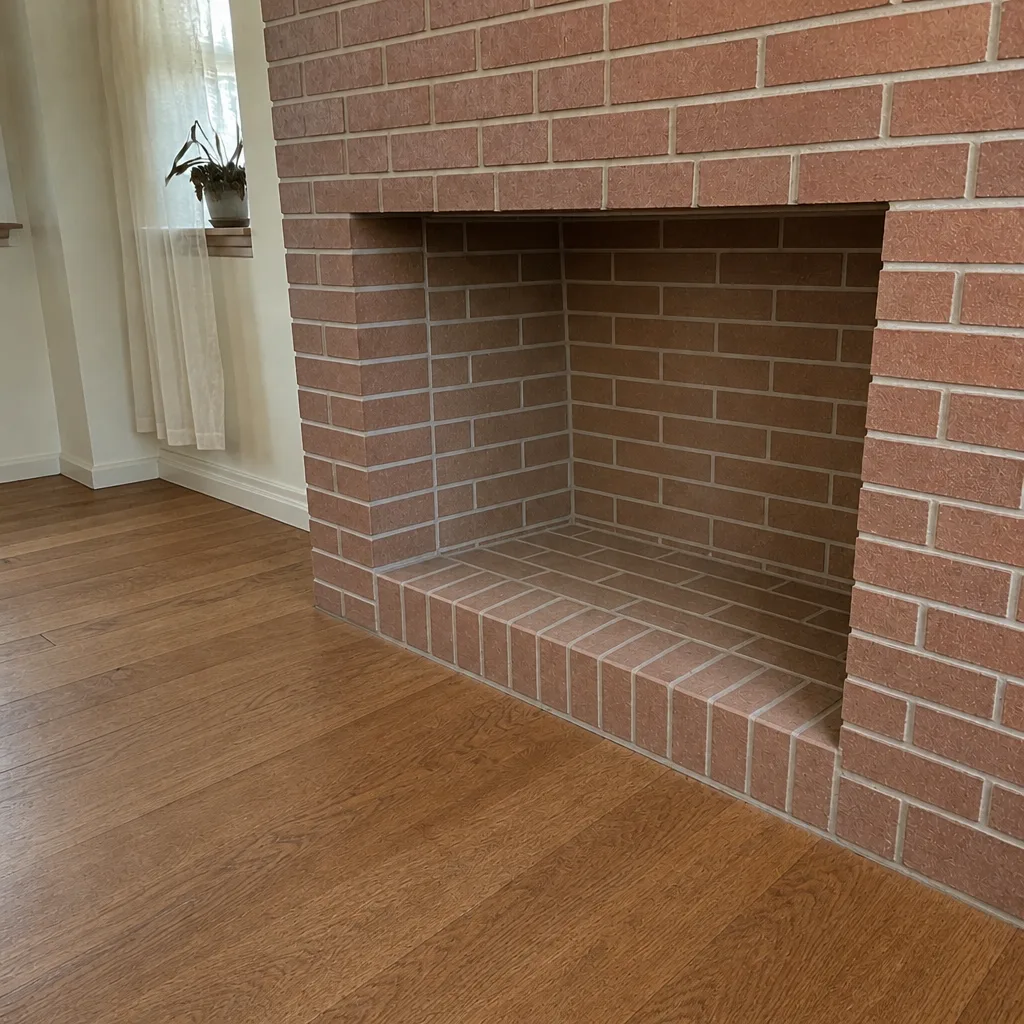
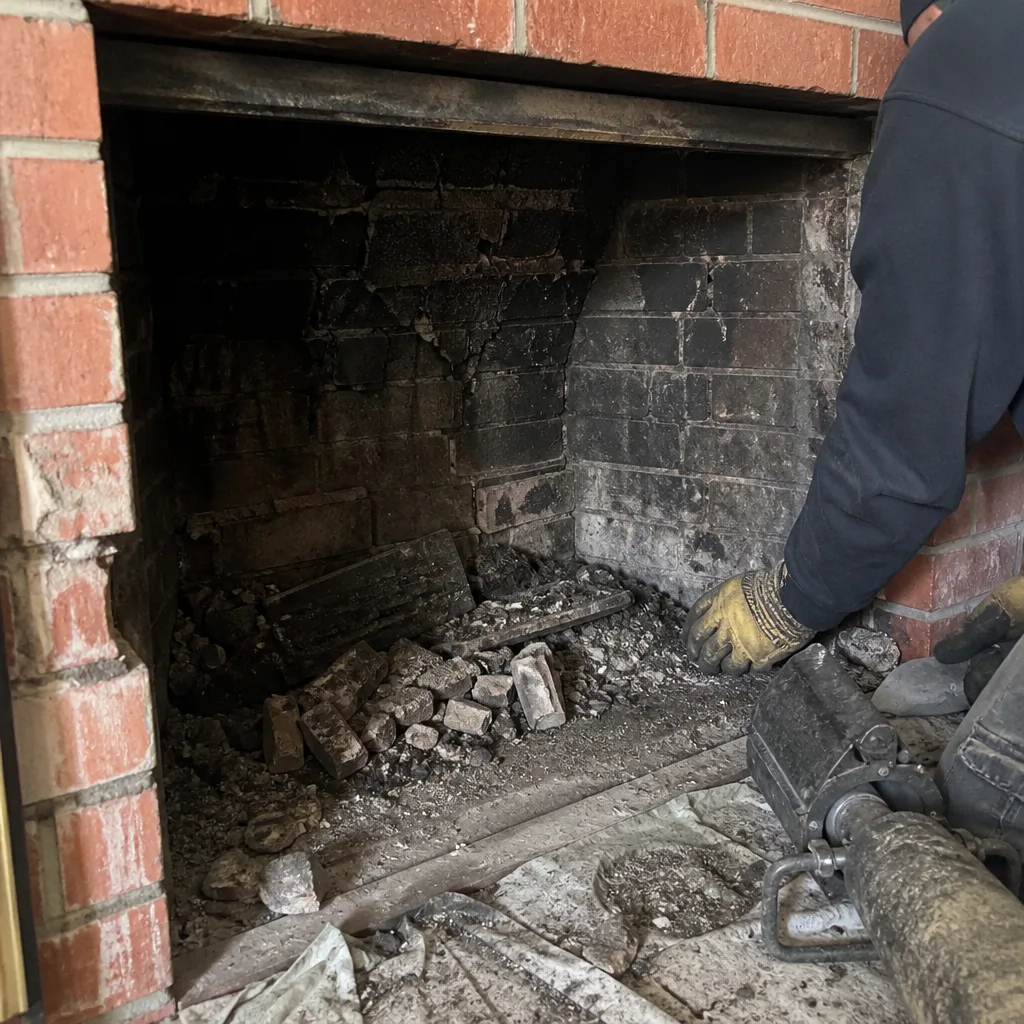
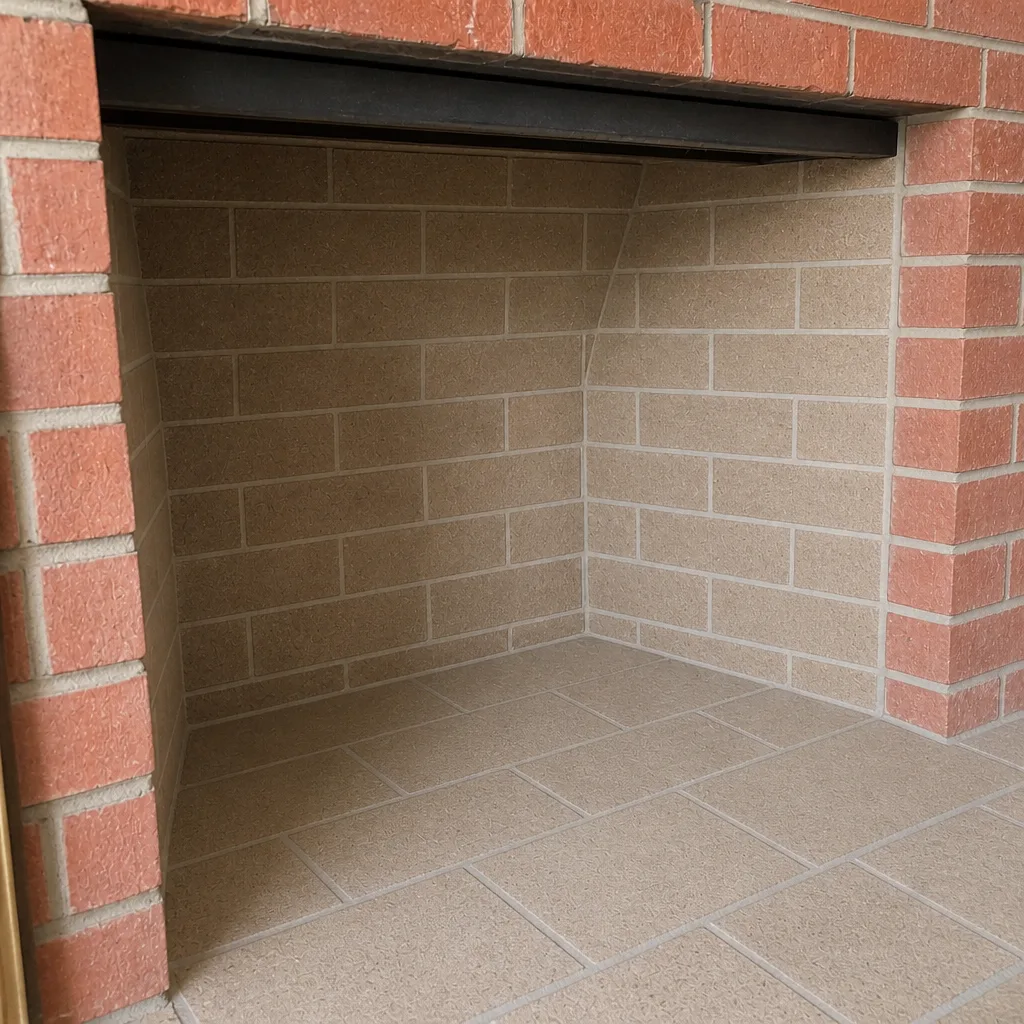
See the difference
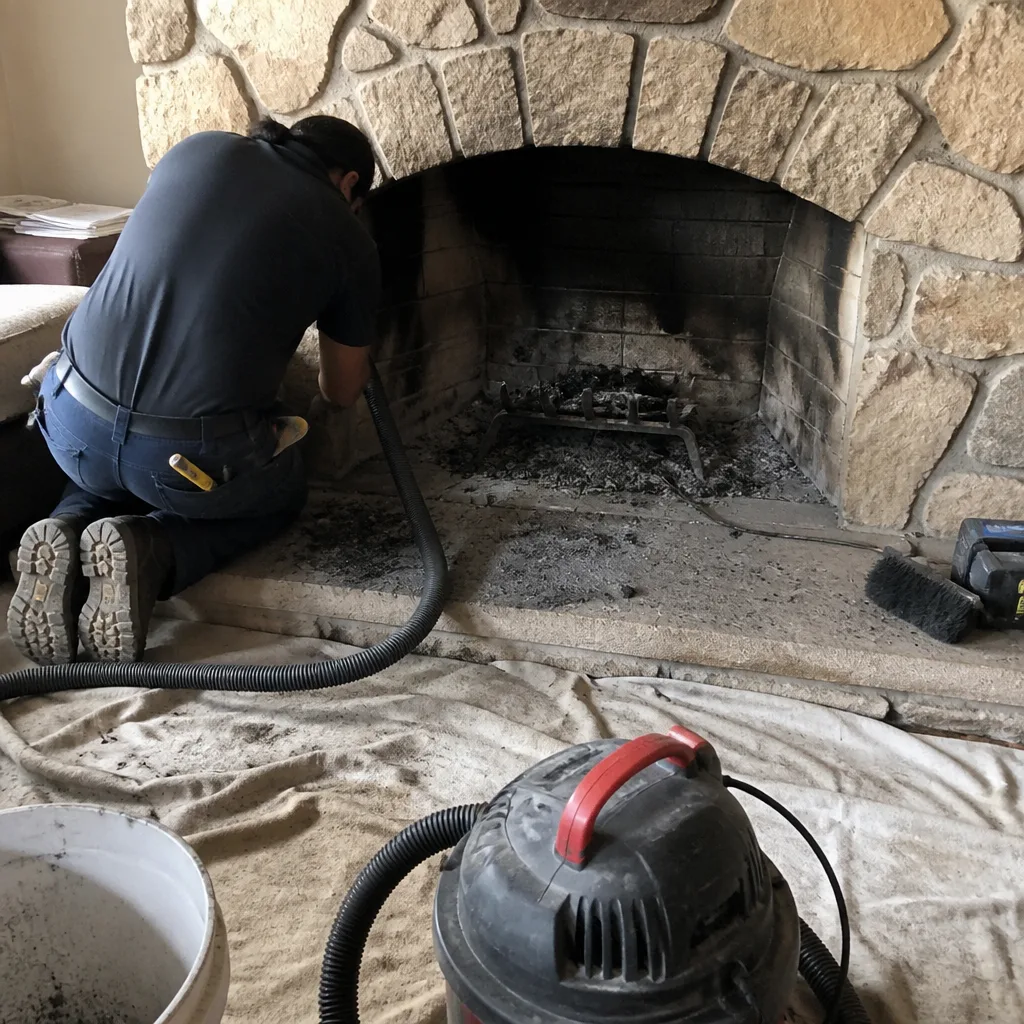 Before
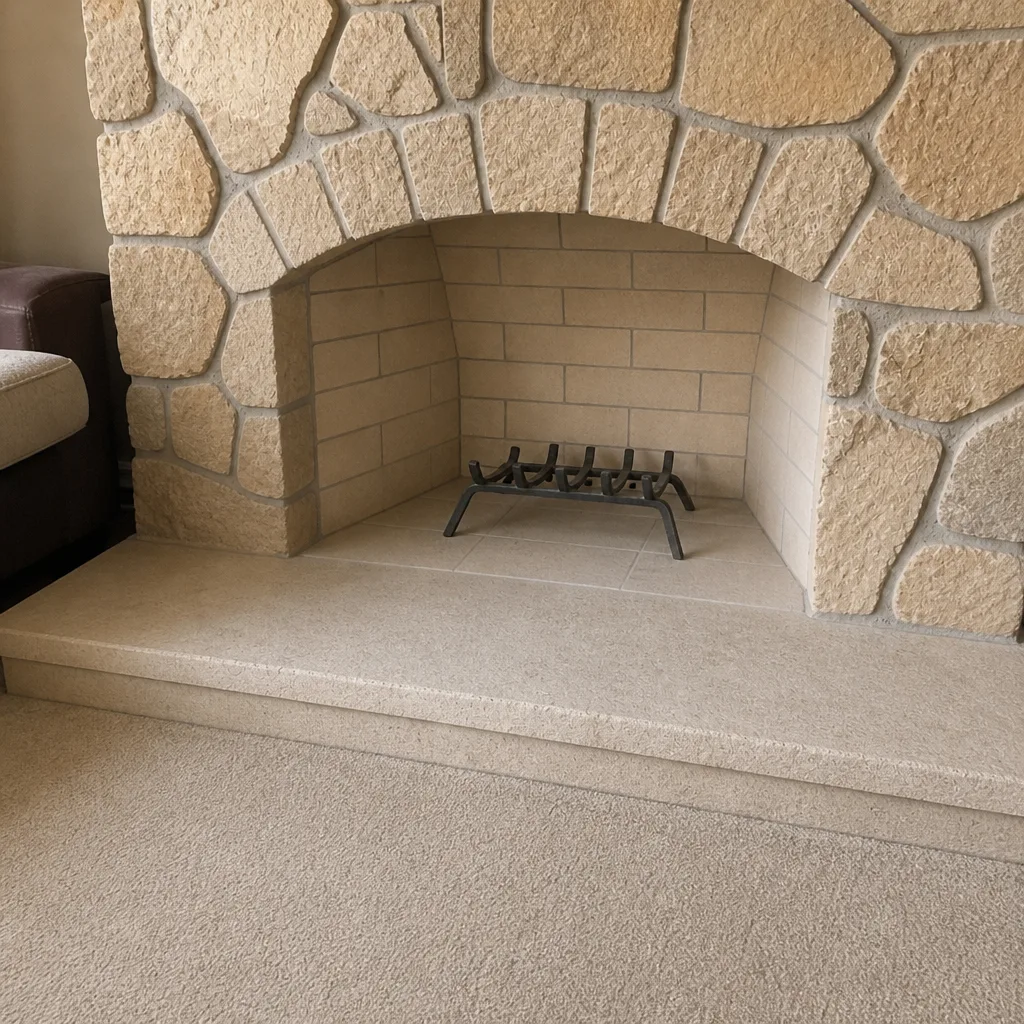 After
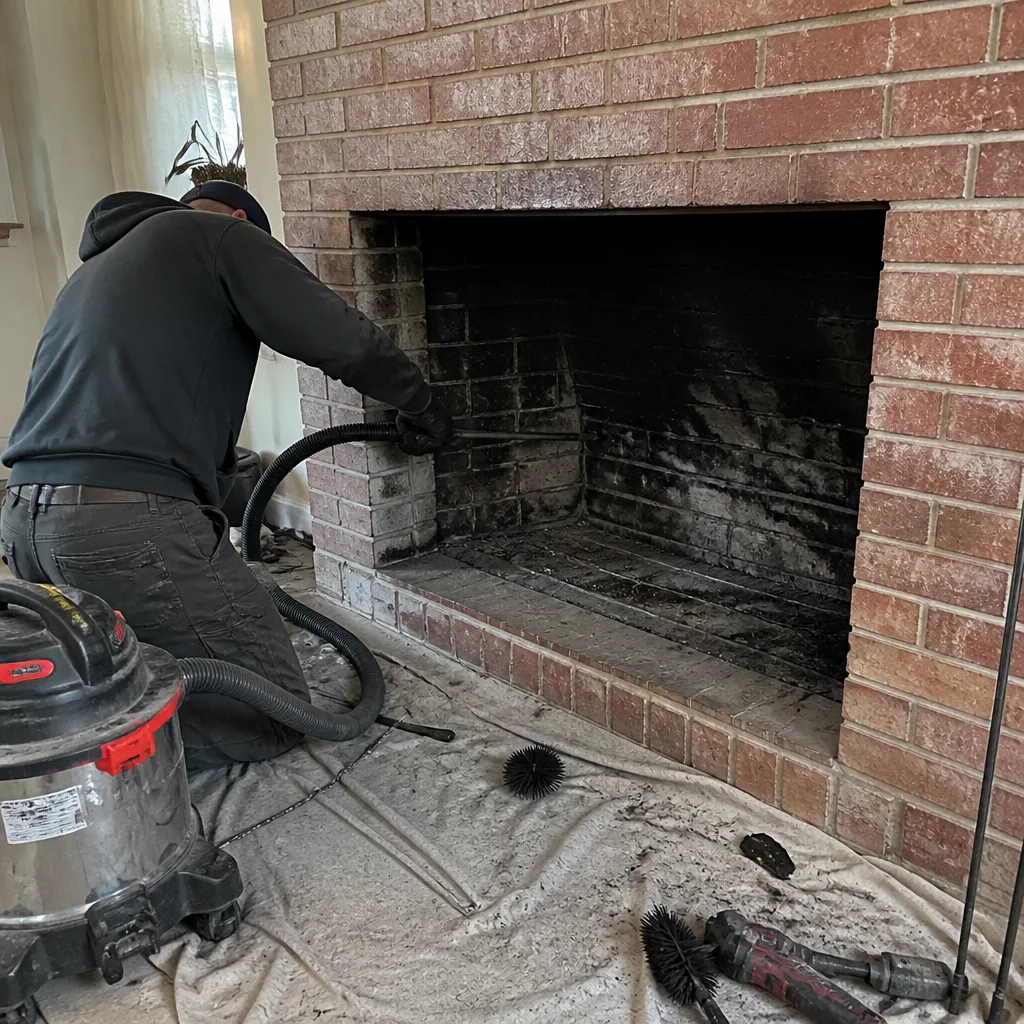 Before
 After
 Before
 After
When to Call a Professional
Call when any of these are true: you have not had the flue inspected in over a year; the cap is missing, cracked, or rusted through; the crown has visible cracks or is crumbling; you see water stains inside the firebox or at the smoke shelf; the poker check turns up crusty or glazed deposits; smoke spills back when you light a fire; or a prefab chimney shows rust or separation at the flue top. Also call if you have hail damage on the cap or crown and need a written inspection for insurance. Chimney Sweep Cherry Creek offers free estimates in Cherry Creek. The estimate is set per job by the written estimate, and nothing is recommended without camera evidence you can see for yourself. Call (866) 937-8043. We answer 24/7. Fast dispatch from 7am to 7pm, Sunday through Friday.
Frequently Asked Questions
Once a year, before the first fire of the season, is the baseline for most Cherry Creek homes, and more often if you burn frequently or the creosote self-check turns up crusty or glazed deposits. The September pre-season sweep is the one that matters most because it happens before you burn, not after. Call (866) 937-8043 for an exact quote on a sweep; estimates are free.
You can run the ground-level checks (cap, crown, flashing, brickwork) and the poker creosote self-check yourself, and you should. You cannot safely check the flue interior, smoke shelf, liner joints, or prefab firestop, and those are the items that determine whether the chimney is safe to burn. A standings inspection covers the parts a homeowner cannot reach.
The cap blocks rain, snow, birds, and downdrafts, and it is the first line of defense for the whole chimney. A missing or cracked cap lets water run straight down the flue, which is how crowns crack, brick spalls, and dampers rust. In Cherry Creek, hail and wind beat on the cap more than any other part of the roof. We install and service caps as a distinct specialty, and replacement is one of the most cost-efficient repairs on a chimney.
Only if the inspection shows the liner is cracked, rusted through, or separated at the joints. A liner that is sound does not need to come out. HeatShield resurfacing restores many liners that would otherwise need a full replacement, so the liner question should follow an inspection, not precede it. Nothing is recommended without camera evidence you can see for yourself. Call (866) 937-8043 for an exact quote.
A skipped chimney does not fail all at once. The cap goes first, water gets into the flue, the crown cracks, the masonry weakens, and the liner degrades, so the repair that starts as a cap replacement grows into structural work. The safety side is creosote: heavy buildup is what feeds a chimney fire. Skipping the yearly sweep is a gamble on the one layer you cannot see. Call (866) 937-8043 for an exact quote on an inspection and sweep; estimates are free.
Photograph the cap and crown from a safe ground-level vantage point, note the date of the hail event, and get a written inspection report from a chimney specialist. A specialist report on the condition of the cap, crown, and masonry carries more weight with an adjuster than photos alone. Do not climb on the roof to inspect it yourself. We can work with your insurer, and our chimney cap & crown service covers inspection and replacement.
The Bottom Line
The checklist that protects a Cherry Creek chimney is component-based, not a single annual dump. Check the cap and crown from the ground every few months. Run the poker creosote self-check after a hot fire. Do a full walkaround in September before the first fire, a spot check in January, and a documented post-season check in April. Photograph the cap and crown after hail season so you have a record. Anything involving the flue interior, the smoke shelf, the liner, or the prefab firestop goes to a specialist who works on chimneys all day. Your fireplace repair needs follow an inspection, not a guess. For the full-service starting point, see Chimney Sweep Cherry Creek.
Chimney Sweep Cherry Creek offers free estimates in Cherry Creek, with inspection available as a standalone service so you can get an honest assessment before committing to any repair. Call (866) 937-8043. We answer 24/7. Fast dispatch from 7am to 7pm, Sunday through Friday. The written estimate sets the final price, and we can work with your insurer on hail damage.
Written by the team at Chimney Sweep Cherry Creek.