
Last updated November 24, 2026
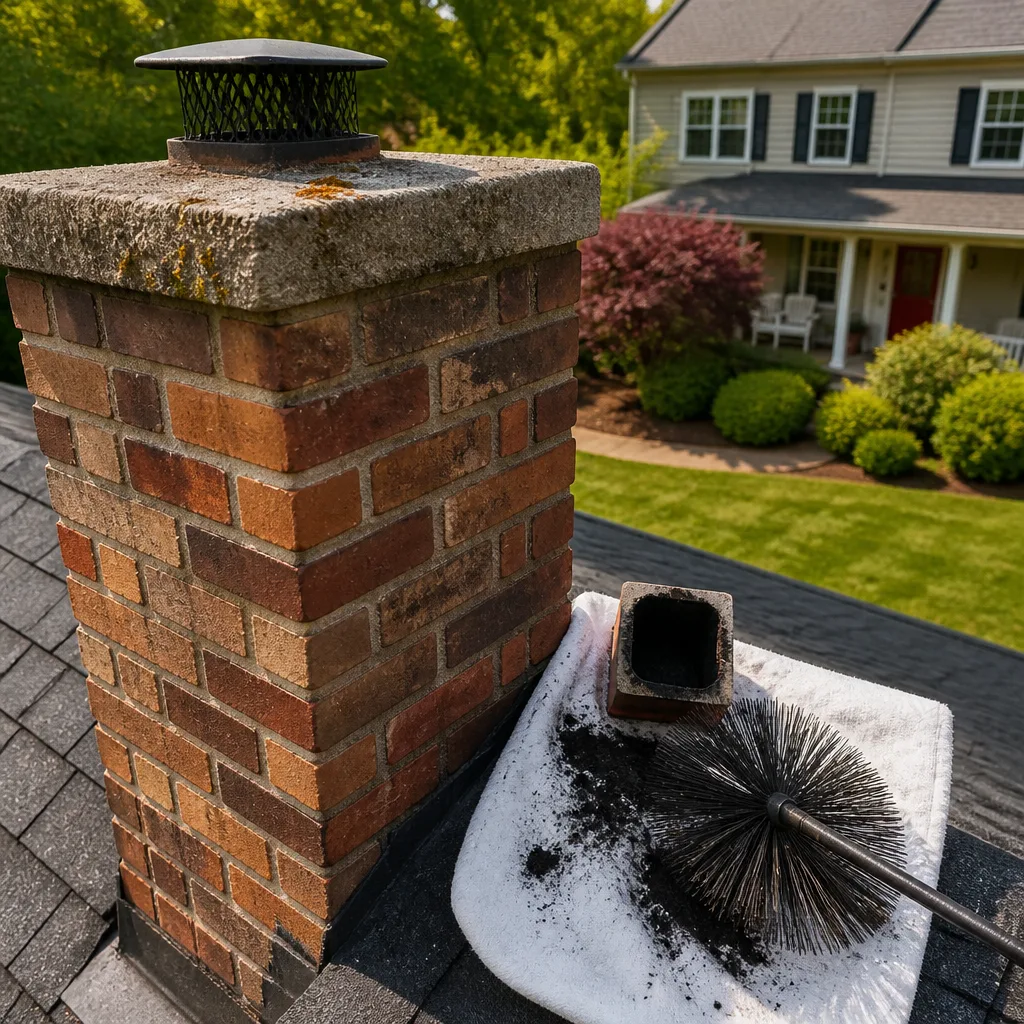 Sweep & inspection
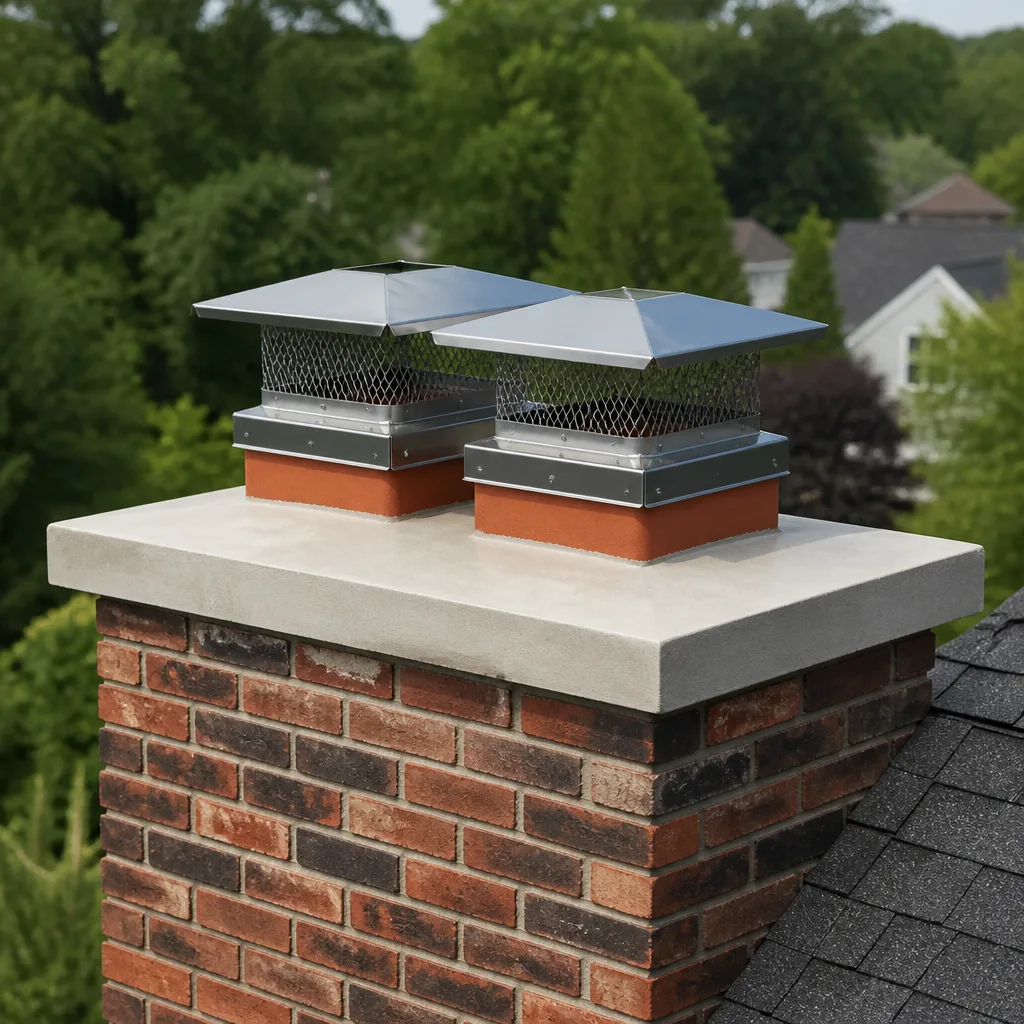 Caps & crowns
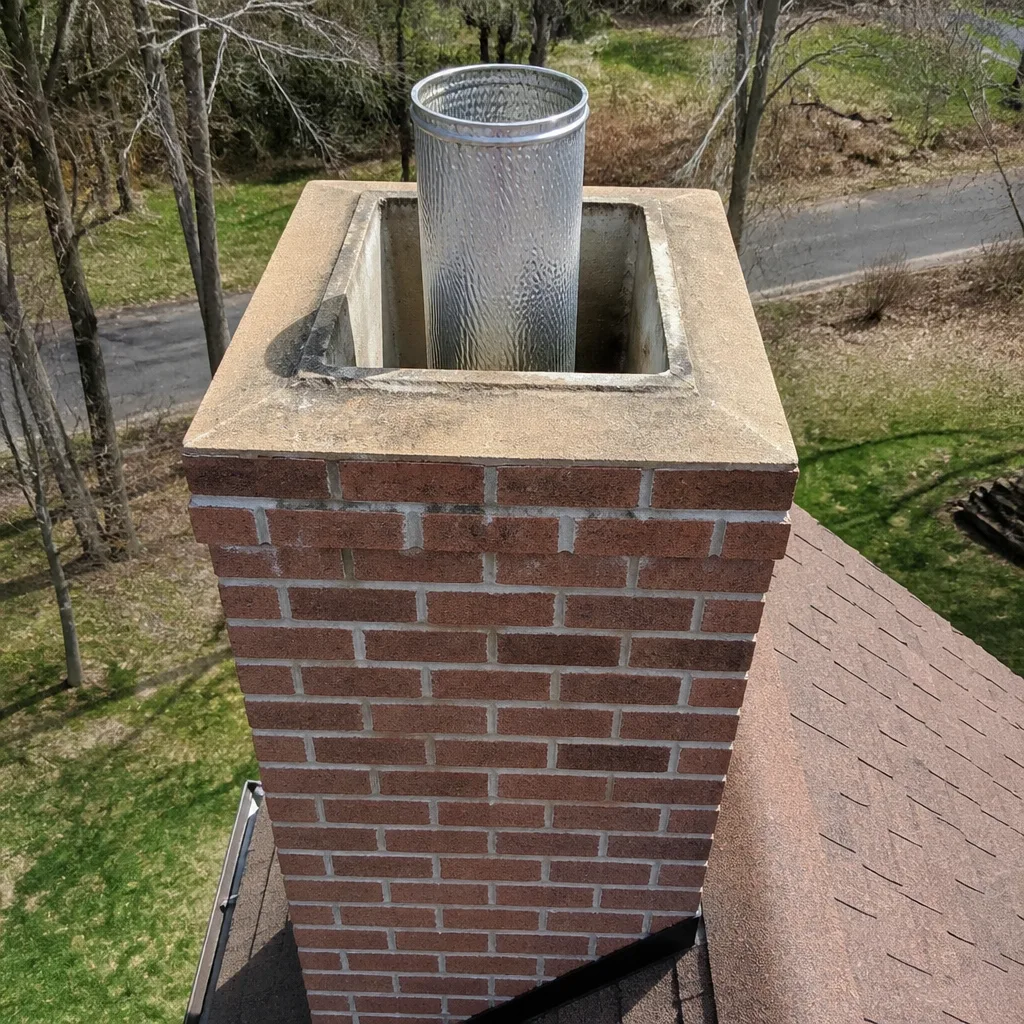 Flue relining
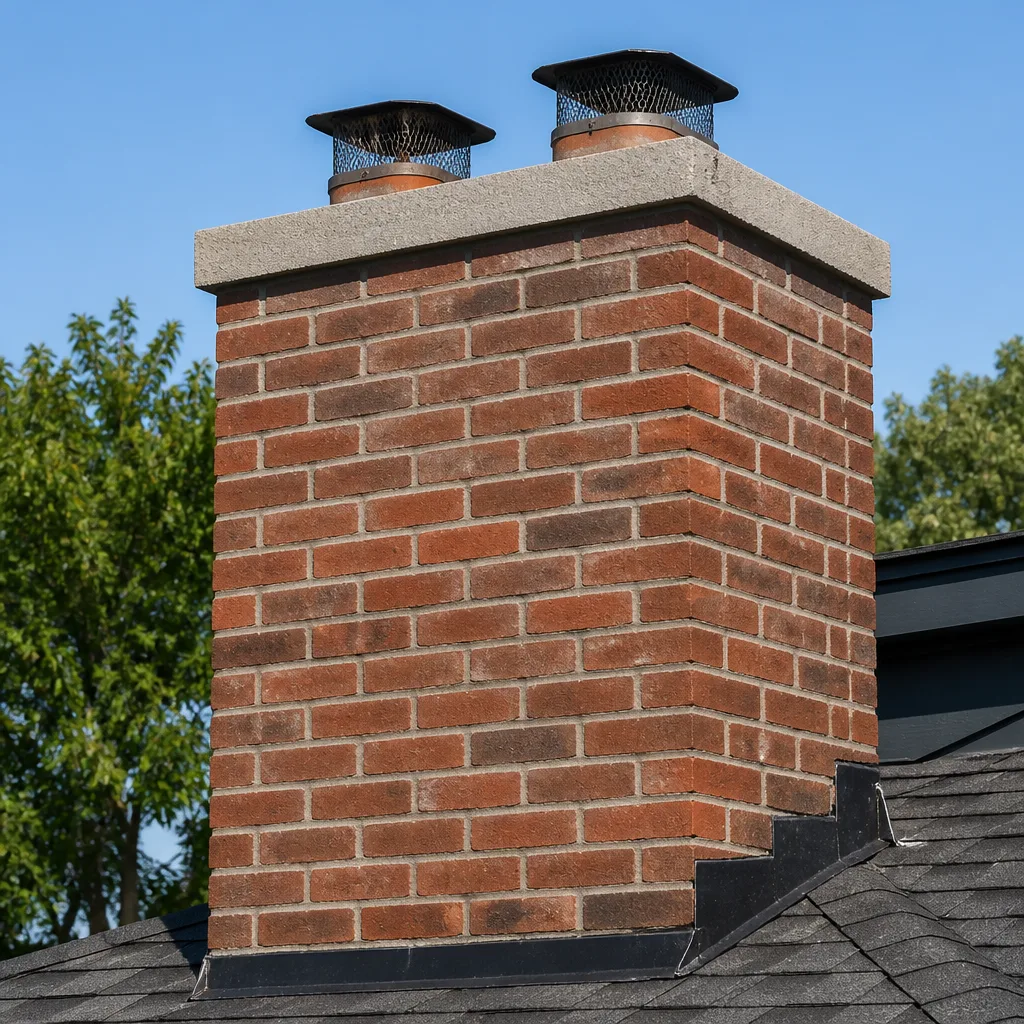 Masonry repair
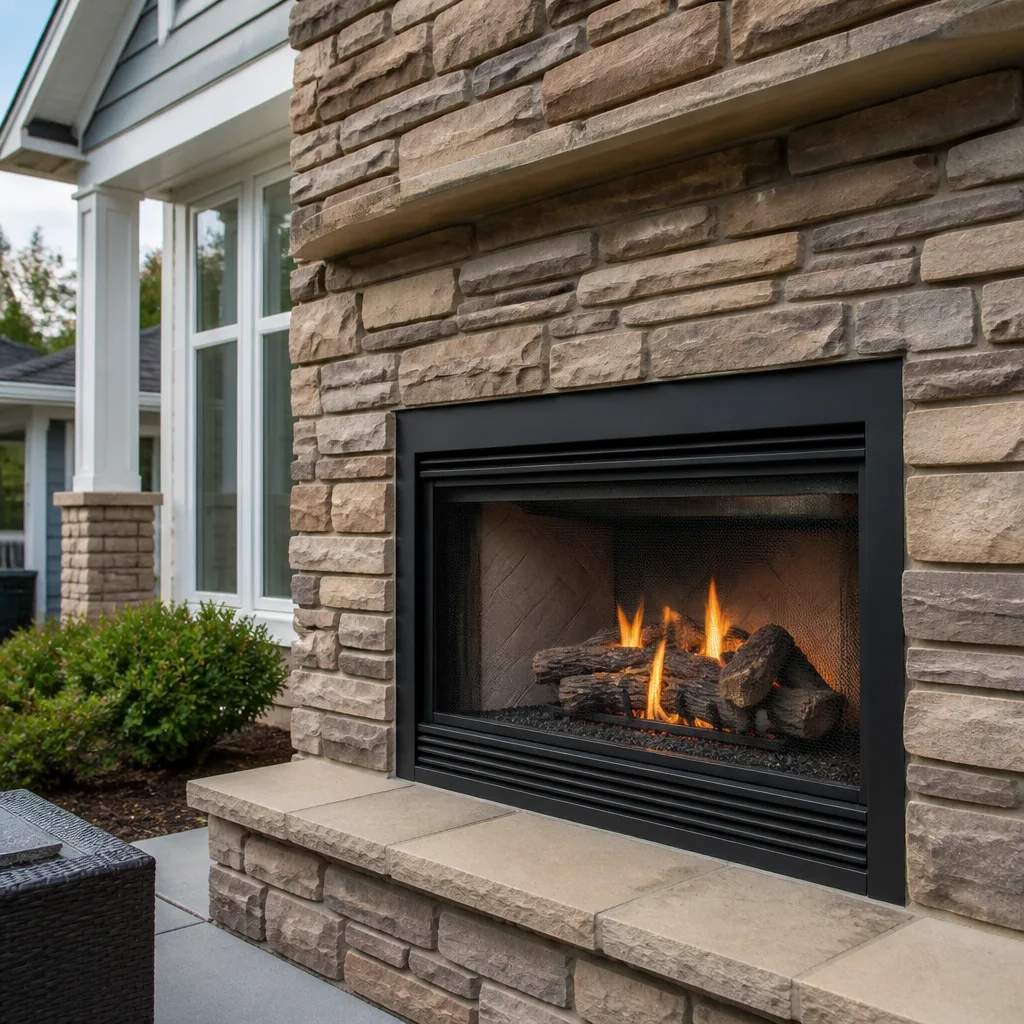 Gas fireplace service
Level 1 sweep and inspection to the NFPA 211 annual standard - flue, crown, cap, and flashing checked and photographed
Chimney sweep logs do not sweep chimneys. They loosen some creosote - which then falls where a brush and vacuum still have to collect it.
Choosing the Right Chimney Cleaning Brand: A Buyer’s Guide for Cherry Creek
A recognizable name on a van does not make the person at your fireplace a chimney specialist. National franchise brands operating around Cherry Creek may carry national insurance and standardized signage, and still route the same technician from an HVAC call to your flue appointment. That gap between the logo and the actual trade knowledge is where most homeowners get burned, quietly, over several seasons. This guide shows you how to evaluate any chimney cleaning brand through a capability audit instead of a logo preference, so you can tell a true specialist from a generalist who added sweeping to the menu. You’ll learn the questions that expose depth, the materials that reveal trade-grade work, and why continuity in Cherry Creek matters more than a national phone number.
Quick Answer
The right chimney cleaning brand in Cherry Creek is the one that can handle whatever the cleaning uncovers, not just the cleaning itself. Look for a company whose service list runs past sweeping and inspection into relining, crown work, smoke chamber parging, and flashing repair, and whose parts come from professional chimney-trade suppliers. If a brand cannot quote you a specific liner system and explain why it fits your flue, the word “chimney” in the name is marketing, not a specialty.
Styles & brands we work with
- Sweep & inspection
- Caps & crowns
- Flue relining
- Masonry repair
- Gas fireplace service
Table of Contents
- The Specialist vs. Generalist Test
- What National Franchise Models Mean for Cherry Creek Homeowners
- How to Evaluate a Local Independent Specialist
- The Right Questions to Expose Whether a Company Truly Specializes
- Materials and Brands: What Trade-Grade Actually Means
- Why Continuity Matters for Cherry Creek Homeowners
- Stop-and-Go Seasons in Cherry Creek
- What a Proper Chimney Cleaning Visit Involves
The Specialist vs. Generalist Test
The fastest way to judge a chimney cleaning brand is to look at how far their service list goes. A specialist can walk from the firebox to the crown and fix what sits between. A generalist sweeps the flue, hands you a report, and refers out anything structural. That referral is the tell. If a company has no path to relining, crown rebuilding, smoke chamber parging, or flashing repair under the same roof, they are a cleaning operation, not a chimney specialist.
Scope of services works as a proxy for expertise because each layer of the system demands different trade knowledge. Sweeping is the entry point. Liner work requires knowing which flexible liner suits a given flue geometry and appliance, and how to insulate it correctly. Crown work requires masonry skill and an understanding of how water moves across a chimney top. Smoke chamber parging is its own craft, and flashing repair belongs half in roofing and half in chimney work. A company that does all of it has to have trained for all of it.
Quick list to test any brand
- Does the company reline chimneys, or only clean them?
- Can they rebuild or repair a crown?
- Do they parge smoke chambers?
- Will they handle flashing where the chimney meets the roof?
- Do they install caps as their own service, not an upsell?
- Can they quote a specific liner product for your flue?
In Cherry Creek, where older brick chimneys sit on homes that have been through many heating seasons, the second and third questions matter most. A cleaning visit here often uncovers worn mortar crowns or hairline cracks that only a company with masonry ability can address. A generalist will clean, point at the crack, and leave you to find someone else. When we handle chimney sweep work in Cherry Creek, the full-system view is the point: cleaning is where the story starts, not where it ends.
What National Franchise Models Mean for Cherry Creek Homeowners
A national franchise brand brings certain real advantages: standardized pricing, a call center that answers, and a warranty framework that spans the country. What it does not guarantee is a chimney specialist in your home. The franchise model depends on franchisees buying into a system, and that system may sit alongside HVAC, plumbing, or general handyman work. When the same technician handles a furnace tune-up in the morning and your chimney in the afternoon, you get a capable technician with divided attention to the trade.
There’s a second wrinkle: standardized pricing is built on national averages. Cherry Creek’s housing stock, materials costs, and the way masonry holds up through dry summers and cold winters don’t always match the national spreadsheet. A warranty written for a standard installation may or may not cover the liner system and labor a Cherry Creek chimney actually needs, so read the details rather than the headline cover claim.
Variable technician quality is the third factor. A franchise’s reputation lives at the brand level, but your experience lives at the individual level. The person who inspects your flue is either trained to read the whole system or not, and a national name won’t tell you which. Ask what training and certifications the technician carries, and be wary of any answer that leans on the brand rather than the person.
None of this makes franchises wrong. It makes them worth interrogating. For Cherry Creek homeowners who care more about protecting a home than about the lowest bid, the questions below do more work than the logo on the van.
How to Evaluate a Local Independent Specialist
Local independents are often where the deepest chimney expertise lives, and they’re also where the widest quality gap sits. Some independents are true specialists running professional-grade materials. Others are general handymen who bought a brush and a shop vac. Separating them takes a short, deliberate audit.
- Check trade certifications. Look for industry credentials such as CSIA (Chimney Safety Institute of America) and NFI (National Fireplace Institute). These aren’t the only measure, but a company that invested in them has shown a baseline commitment to the trade. Ask which technicians hold them and what they cover.
- Ask about material sourcing. A specialty company will name the liner systems and components it installs. If the answer is vague, ask directly whether they stock professional-grade liner systems from chimney-trade suppliers rather than big-box substitutes. The right brands are purpose-built for chimney work.
- Ask whether they pull permits on repair work. Most cities require a permit for structural chimney repair and relining, so ask your city’s building department what applies to your job. A company that routinely pulls permits for repair work is a company that expects its work to be inspected.
- Ask for proof of a vetted trade relationship. The local pro you work with should be licensed and insured as their state requires, and should be willing to say so plainly.
- Ask how they document the visit. A camera inspection and a written report are the baseline. Without documentation, you have no way to judge whether the recommendation matches the condition.
Cherry Creek has a local market where homes range from mid-century brick to newer construction, so the specialist you hire should be able to speak to both. A company that only knows one type of chimney isn’t a specialist; it’s a specialist in part of the neighborhood.
The Right Questions to Expose Whether a Company Truly Specializes
Generalist companies can usually answer questions about sweeping. They fall apart on the technical questions, and those are the ones that tell you who you’re hiring. Ask a couple of these on the phone, before you book, and listen for how specific the answers get.
Question 1: “What liner system do you install, and why?”
A specialist will name product categories and explain the reasoning. They’ll talk about flexible liner systems for offset or irregular flues, or resurfacing systems for liners that are sound but worn. They’ll mention details like insulation and appliance compatibility. A generalist answers with a shrug and a price.
Question 2: “How do you handle a smoke chamber that needs parging?”
Smoke chamber parging is a niche repair that smooths the corbeled masonry above the damper so smoke flows out rather than rolling back into the room. A specialist knows the process and the materials. A generalist either doesn’t know what you’re asking or refers it out.
Question 3: “What does your inspection report actually include?”
Look for a camera inspection with photos, a written assessment, and a clear line between what needs work now and what can wait. A report that only says “recommend relining” without evidence you can see should make you ask why. Inspection first, recommendations second is the order that protects you.
Question 4: “Do you install caps and crowns as a service, or only recommend them?”
Cap and crown work is where a specialist shows its hand. These are the two most common entry points for water intrusion, and a company that treats them as a specialty will talk about them the way a roofer talks about gutters. If caps and crowns are a real service rather than a referral, you’ve found a full-system company.
For Cherry Creek homeowners comparing brands, a few minutes of these questions saves a lot of guesswork. You’re looking for someone who can answer without hesitation and without sales pressure.
Materials and Brands: What Trade-Grade Actually Means
The materials a company uses tell you what kind of company it is. Chimney work has its own supply chain, and the brands that serve it build products for chimneys specifically. Big-box substitutes are designed for general construction and often fail sooner under heat, condensation, and thermal cycling.
Professional-grade materials you’ll hear from a real specialist include flexible liner systems, liner resurfacing systems, caps and crowns, and dampers. When we work on relining and repair in Cherry Creek, we install DuraFlex flexible liners and use HeatShield for liner resurfacing where the existing liner can be restored rather than replaced. We also work with components from Olympia Chimney, Copperfield, Gelco, and Famco, all of which are purpose-built for chimney work. These brands aren’t marketing items; they’re the parts that last.
What to look for in materials
- Purpose-built liners. A flexible liner should be specified for your appliance and flue, not chosen because it was on the shelf.
- Resurfacing options. HeatShield is an industry-recognized resurfacing system used to restore liners without the cost of a full replacement in some cases, and a specialist will tell you when it’s appropriate and when it isn’t.
- Trade-grade caps and crowns. A cap that fits the flue correctly and a crown that sheds water are structural, not cosmetic.
- Masonry and flashing materials rated for the job. Mortar, crown mix, and flashing components should be chosen for the chimney’s exposure, not the bottom line.
Ask your candidate company to name the products they’ll use. If the answer is “we use whatever’s best,” keep asking. Precision is the whole point.
Why Continuity Matters for Cherry Creek Homeowners
A specialist who cleaned and inspected your chimney last year starts this year’s visit with a baseline. That baseline is worth more than most homeowners realize. When the same company knows the original condition of your flue, the thickness of your liner, and the state of your crown, the current inspection is faster, more accurate, and easier to defend.
Why “easier to defend” matters: if you ever file an insurance claim for a chimney-related loss, documentation is what carries the conversation. A record of annual inspections shows you maintained the system. A record that includes photos and written notes gives your insurer something concrete. A parade of different companies with different formats makes that record patchy at best.
Continuity also reduces upsell risk. A company that has seen your chimney over time has no incentive to invent new work each season. They know what was flagged last year, what was deferred, and what has genuinely changed. That continuity is the opposite of the door-to-door sweep who shows up once and vanishes.
In Cherry Creek, where heating season is real and chimneys get worked hard, the yearly habit of booking the same specialist is a quiet form of maintenance. It also makes booking simpler: one phone call, one relationship, one record. If you’d rather start with a plain assessment than a repair commitment, a standalone inspection is the cleanest first step, and it doesn’t lock you into anything.
Stop-and-Go Seasons in Cherry Creek
Cherry Creek’s climate puts chimneys through a stop-and-go rhythm. Summers are warm and dry, winters are cold and snowy, and the swings between them do more damage than either extreme alone. Masonry expands and contracts through those swings. Small cracks at the crown open wider. Flashing pulls away from the roof by fractions each season until water has a path inside.
That climate also means creosote behaves in a particular way. A wood-burning fireplace that sits idle through warm months can leave a layer of creosote that hardens by fall. When the first fire of the season comes, that deposit is what burns if conditions line up wrong. A chimney fire is a serious thing: it can crack a flue liner and let heat reach framing, and a damaged liner can let carbon monoxide into the home. That’s not a scare tactic. It’s the reason chimney sweeps exist as a trade.
Because of that cycle, the best time to inspect and clean around Cherry Creek is before the first fire of the season, not after something smells wrong. Booking early also means the specialist has time to complete any repair before the cold settles in. A crown repair done in early fall is a straightforward job; the same repair in January, after freeze-thaw cycles, may not be.
Climate-driven failure points
- Crowns that crack from freeze-thaw cycling and let water into the chimney body.
- Flashing that loosens as the roof and chimney move at different rates.
- Liner joints that work loose from repeated heating and cooling.
- Creosote hardened over the summer and primed for the first fire.
The climate doesn’t require a special company. It requires one that knows the sequence and can act on it in the right order. That’s what fireplace repair looks like from a full-system perspective.
What a Proper Chimney Cleaning Visit Involves
A good chimney cleaning visit is predictable. You should know what will happen before anyone arrives, and the visit should end with a report and a recommendation rather than a surprise bill. Here’s how a full-system visit works when it’s done by a specialist.
- Walkthrough and pre-check. The technician looks at the firebox, damper, and hearth, and asks about your burning habits and recent problems.
- Protection. Drop cloths and a sealed vacuum setup keep soot out of your living space.
- Sweeping. The flue is brushed and the debris removed, with the brush type matched to the liner material.
- Camera inspection. A camera run shows the interior of the flue, including joints and the smoke chamber, with photos recorded for your file.
- Exterior check. The crown, cap, flashing, and masonry are inspected from the roof side, which is where water entry starts.
- Written report. Findings are documented in plain language, sorted into “needs attention now” and “monitor.”
- Recommendations. Any repair is explained and quoted, and you choose what to do. Nothing happens without your approval.
Cap and crown installation is one of the most common recommendations from a visit like this. A cap keeps rain, animals, and debris out of the flue, and a sound crown keeps water out of the chimney body. Together they address the two leading causes of chimney water damage. That’s why chimney cap & crown work is a specialty in its own right, not a minor add-on.
If you want to see the whole system handled by one specialist, Chimney Sweep Cherry Creek covers sweeping, inspection, fireplace repair, chimney repair, and cap and crown work. One company, every layer.
Common Mistakes to Avoid
- Hiring on price alone. The lowest quote in Cherry Creek often reflects the least thorough inspection, and a cheap sweep that misses a cracked liner costs more later. Ask what the price includes, not just how low it is.
- Assuming a big name means a specialist. A national brand can be a generalist with better marketing. Check the service list, not the logo.
- Skipping the camera inspection. A brush-and-go visit can’t show you the condition of your liner. Insist on a camera and photos you can see.
- Approving a liner replacement without evidence. A recommendation for costly relining should come with clear pictures of what’s wrong. If the evidence isn’t shown, ask for it before you commit.
- Ignoring the crown and cap. Cherry Creek homes lose more chimneys to water than to fire. If the top of the chimney isn’t part of the conversation, the visit is incomplete.
- Bouncing between companies each year. Constant switching means no baseline and no defensible repair record. Consistency pays.
- Waiting until the first cold snap. Booking after the rush means waiting, and it can push repairs into worse weather. Schedule before the first fire.
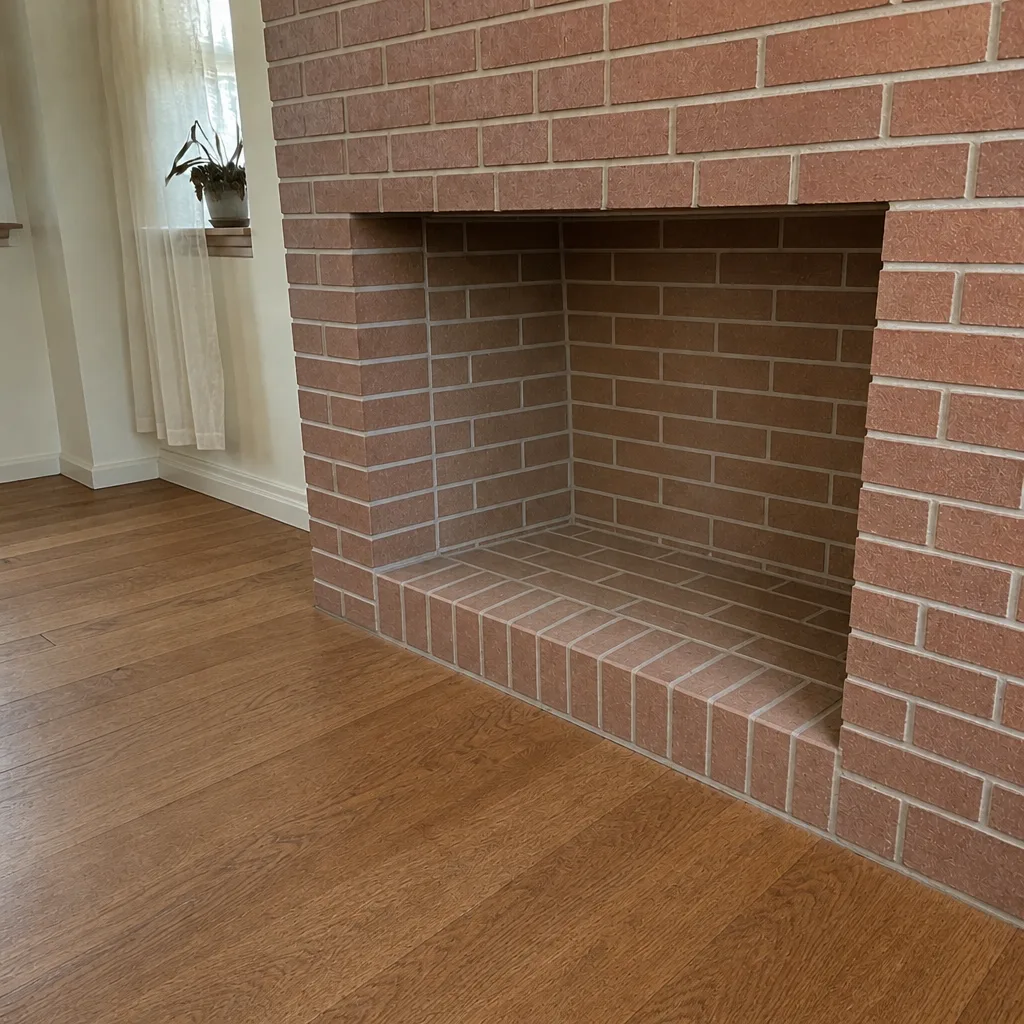
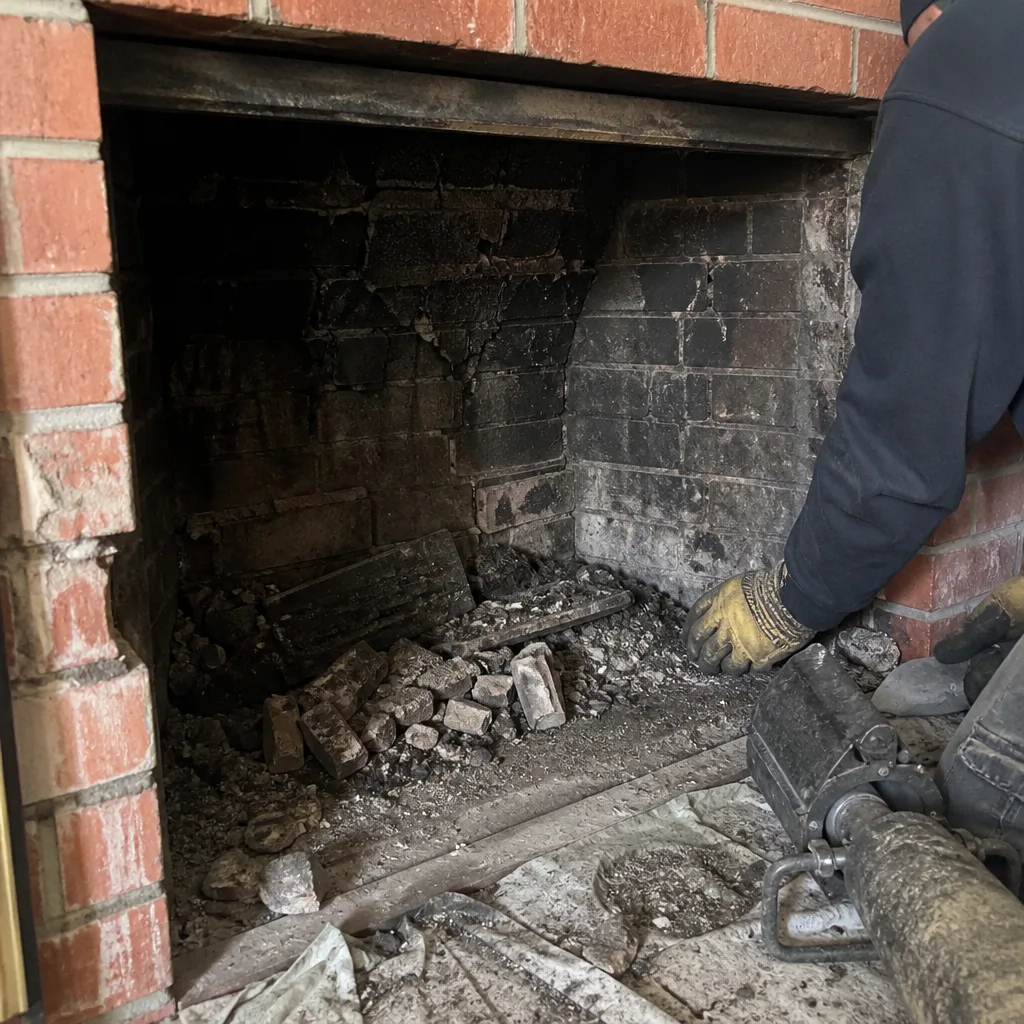
See the difference
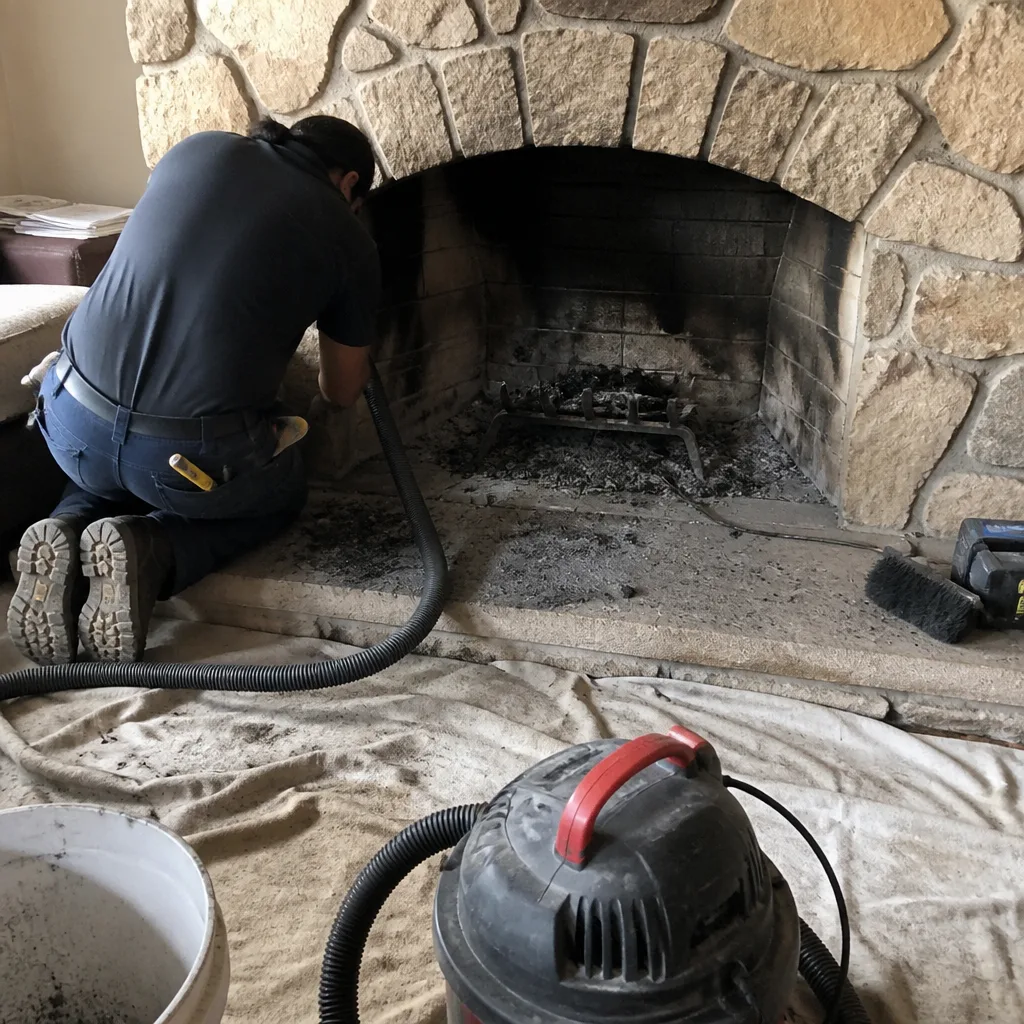 Before
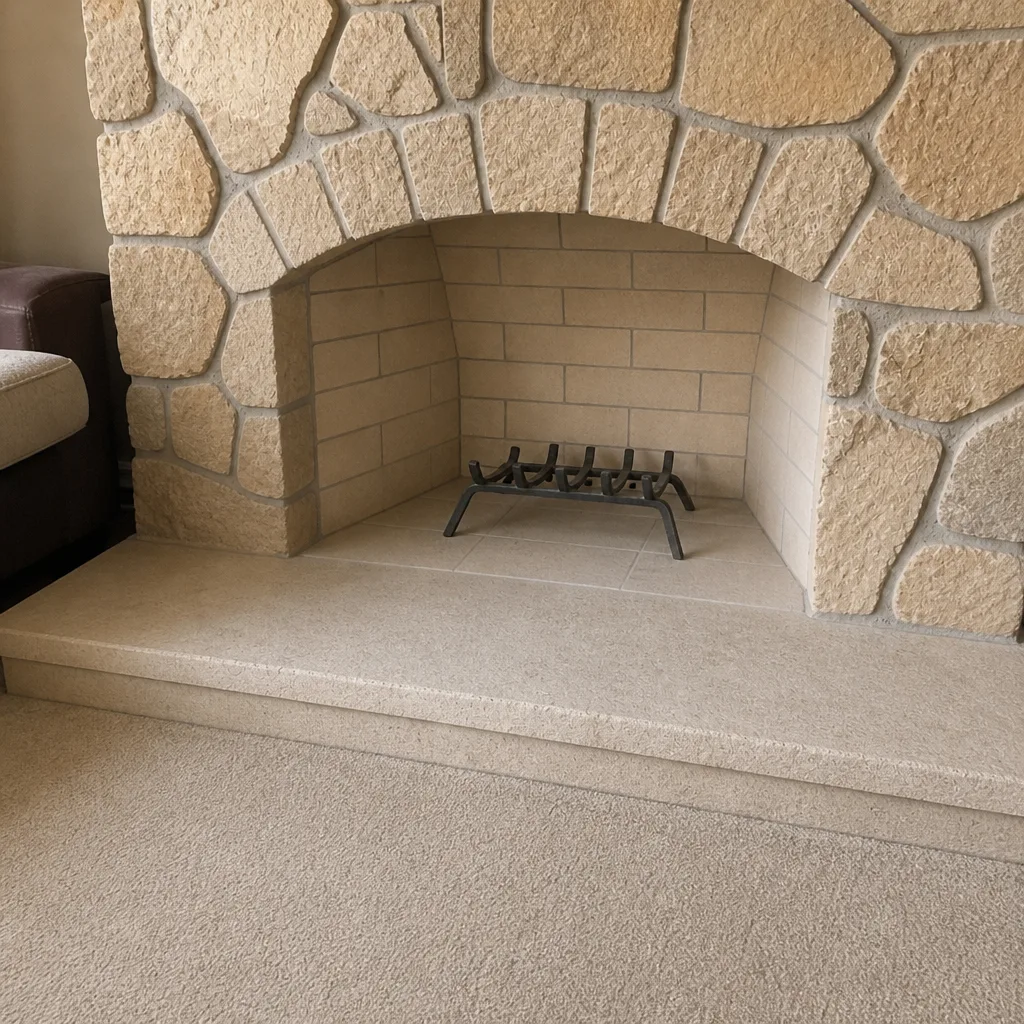 After
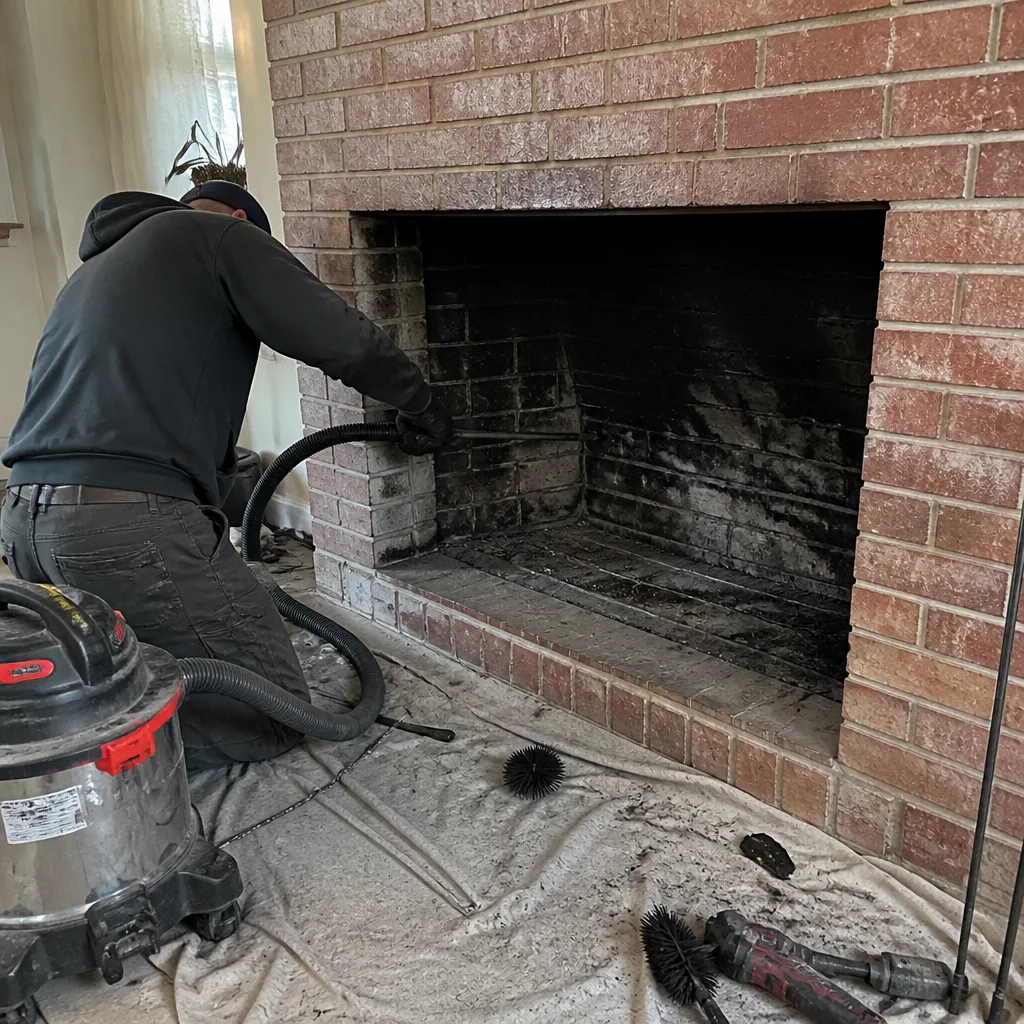 Before
 After
 Before
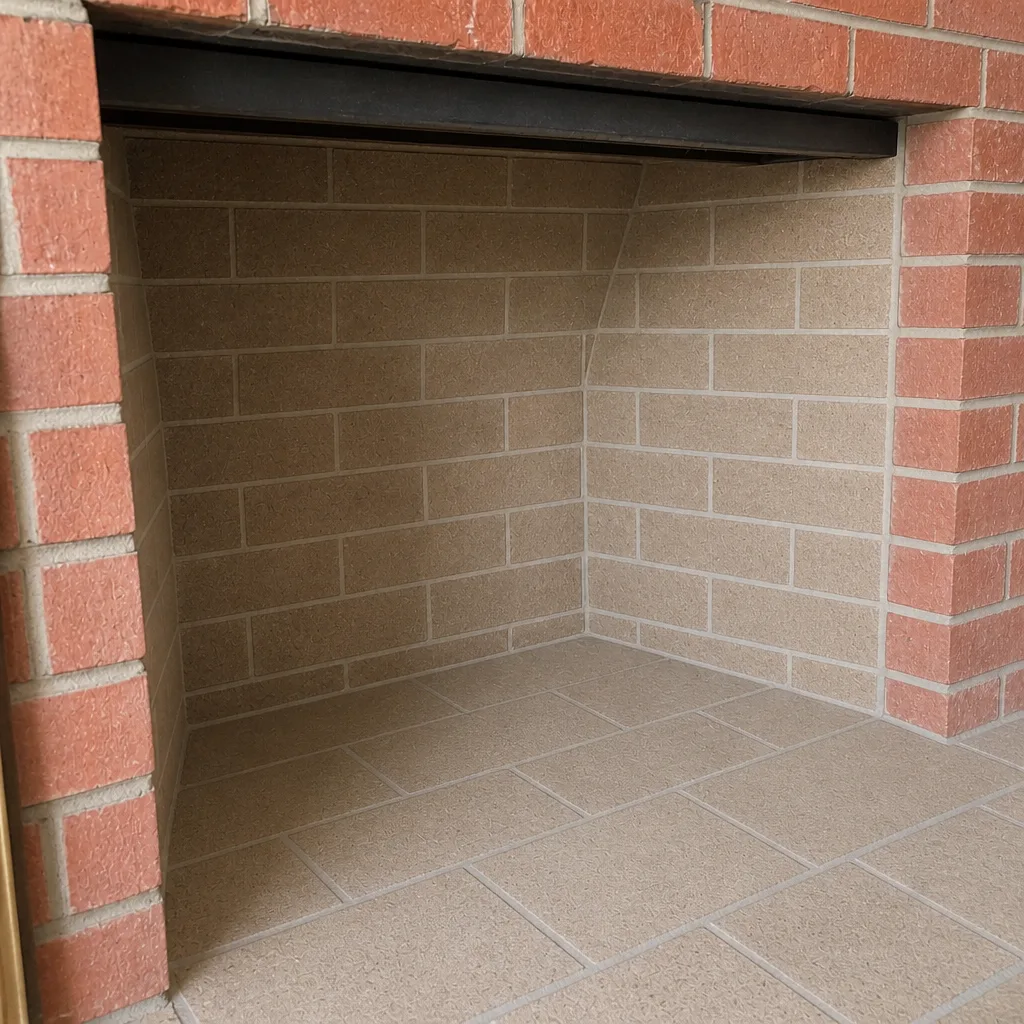 After
When to Call a Professional
Some chimney situations are fine to monitor; others need a specialist quickly. Call a professional if you smell a strong creosote or burning odor when the fireplace isn’t in use, if smoke rolls back into the room during a fire, if you see cracked or missing masonry at the crown, or if water stains appear on the ceiling or chimney breast after storms. Call if the firebox or damper has visible damage, if you’ve never had the chimney inspected, or if it’s been more than a year since the last cleaning. A carbon monoxide detector that alarms near the chimney is a call-now situation. Chimney Sweep Cherry Creek offers free estimates in Cherry Creek. Call (866) 937-8043. We answer 24/7. Fast dispatch from 7am to 7pm, Sunday through Friday.
Frequently Asked Questions
Once a year is the standard for a wood-burning fireplace that gets regular use, and inspection at least annually even for gas fireplaces. Cherry Creek’s stop-and-go seasons make the yearly visit useful for catching crown and flashing problems early. Call (866) 937-8043 for an exact quote. Estimates are free.
Only if the existing liner is genuinely compromised, and a camera inspection is how you know. A worn but structurally sound liner can sometimes be restored with HeatShield resurfacing rather than replaced. Nothing should be recommended without evidence you can see, and we’ll tell you plainly when work can wait. Call (866) 937-8043 for an inspection quote. Estimates are free.
Creosote builds up and can ignite if conditions align, which risks a chimney fire that cracks the flue. A cracked flue can let heat reach framing and can let carbon monoxide into the home. The risk is real but not imminent for every chimney, and skipping a year isn’t a crisis. Call (866) 937-8043 to book a sweep. Estimates are free.
Pricing depends on the chimney, the amount of buildup, and whether repairs are needed, so the written estimate is what sets the final price. A full-system visit with camera inspection and a written report is the standard for a specialist. Call (866) 937-8043 for an exact quote. Estimates are free.
Not automatically. A national brand offers standardized pricing and warranty structure, but the technician’s training and the company’s service depth determine your experience. A local specialist who can handle the full system, from sweeping to crown repair, is often the better fit in Cherry Creek. Call (866) 937-8043 to discuss your chimney. Estimates are free.
Ask what liner system the company installs and why, how they handle a smoke chamber that needs parging, and whether they pull permits on repair work. Ask whether the inspection includes camera photos and a written report. A specialist answers these without hesitation. Call (866) 937-8043 with your questions. Estimates are free.
The Bottom Line
The chimney cleaning “brand” question is really a capability question. A specialist can walk your system from firebox to crown and fix what the cleaning uncovers. A generalist cleans, reports, and refers. Test any brand against that line: scope of service, trade-grade materials, camera evidence, and the willingness to say plainly when work can wait. In Cherry Creek, where freeze-thaw cycles stress masonry and creosote hardens between seasons, that capability audit is what protects your home. When you’re ready for a full-system visit, call (866) 937-8043. We answer 24/7. Fast dispatch from 7am to 7pm, Sunday through Friday. Estimates are free.
Written by the team at Chimney Sweep Cherry Creek.