
Last updated November 24, 2026
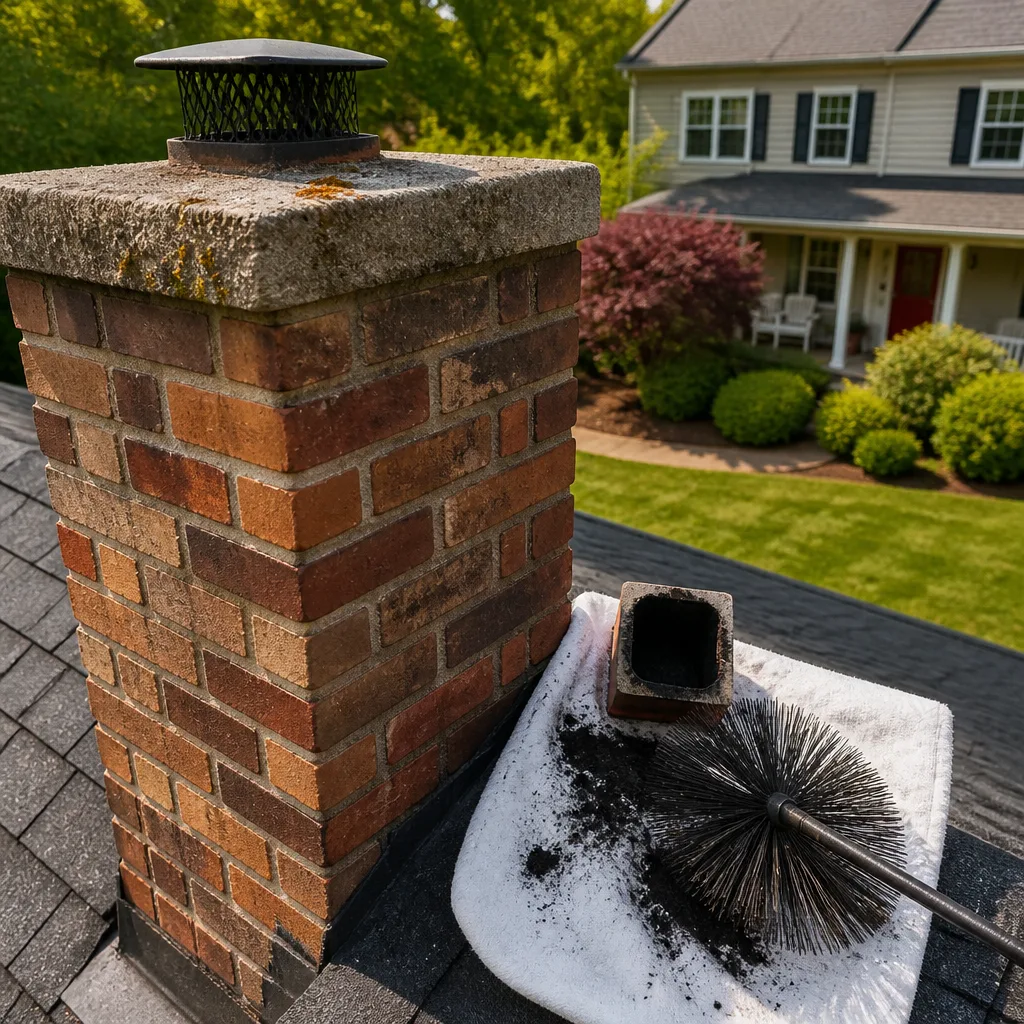 Sweep & inspection
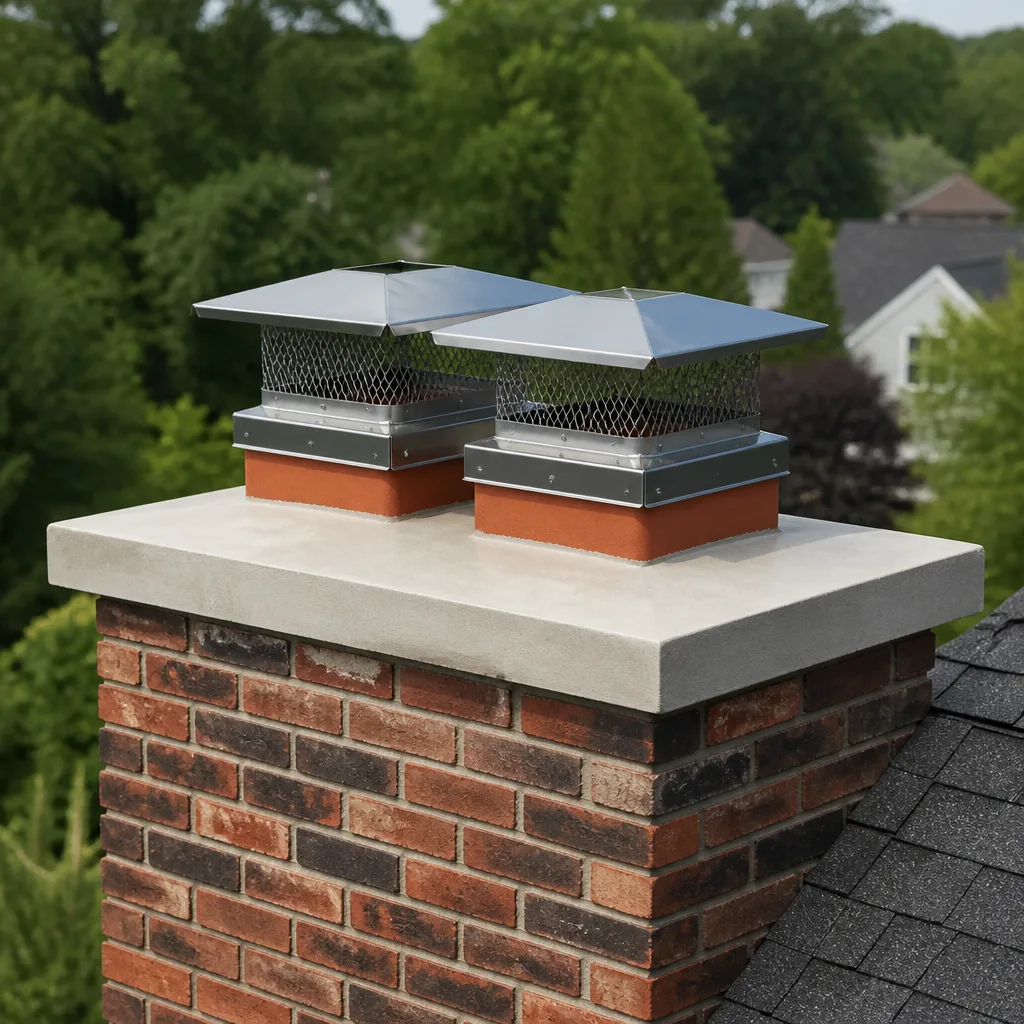 Caps & crowns
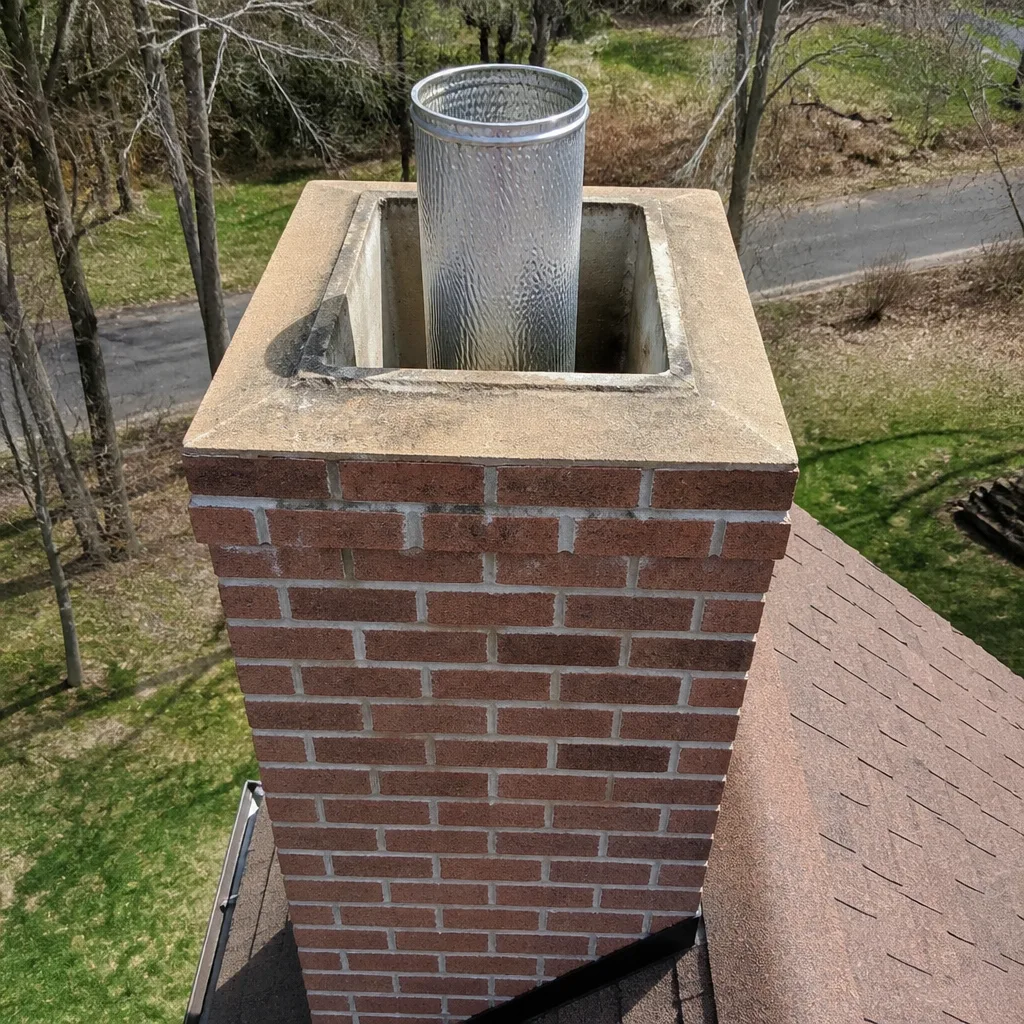 Flue relining
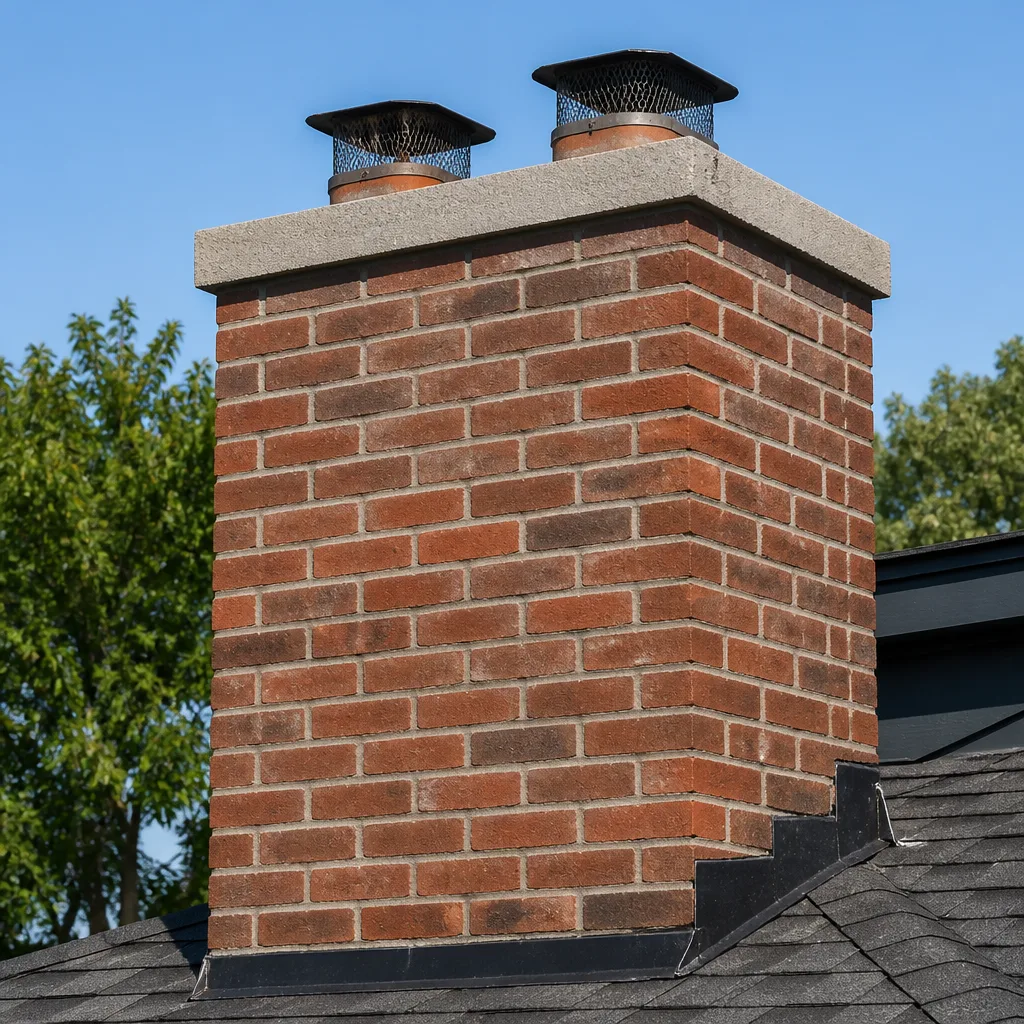 Masonry repair
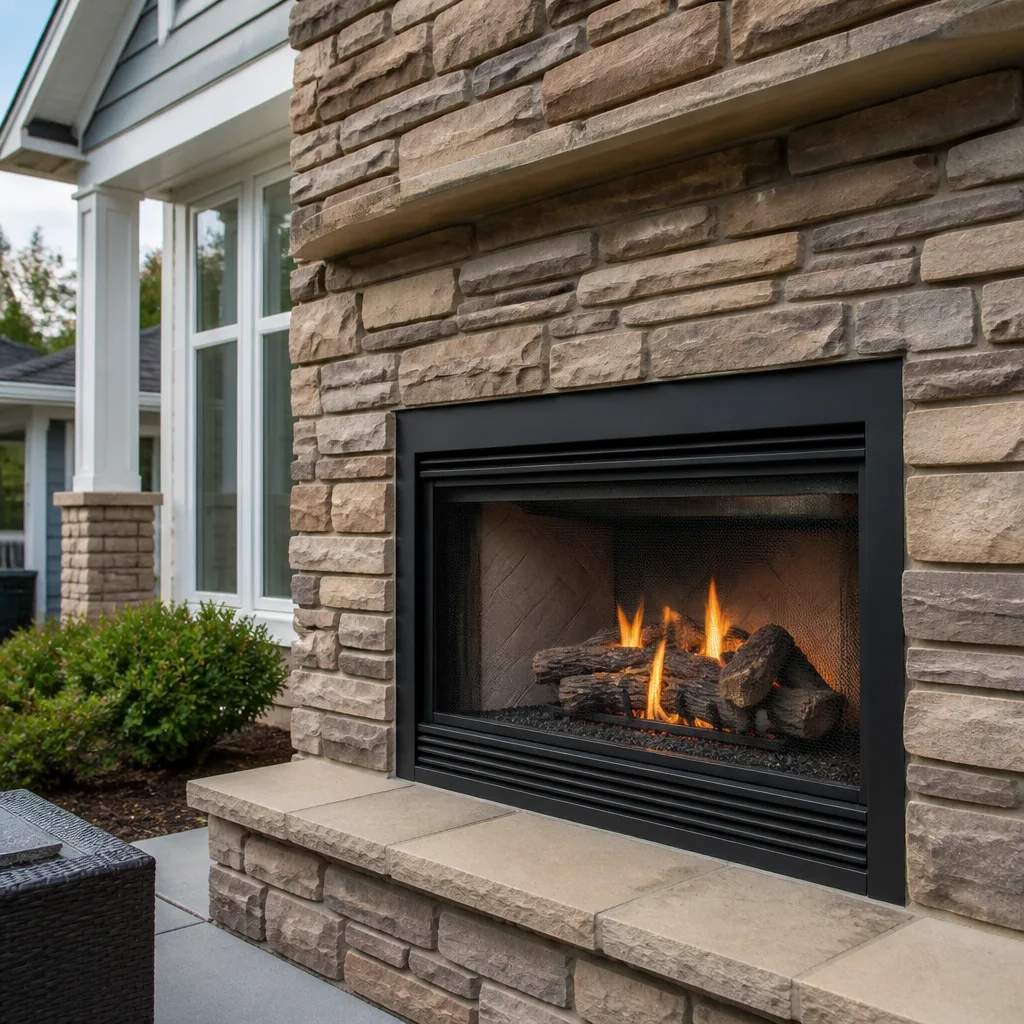 Gas fireplace service
Level 1 sweep and inspection to the NFPA 211 annual standard - flue, crown, cap, and flashing checked and photographed
Chimney sweep logs do not sweep chimneys. They loosen some creosote - which then falls where a brush and vacuum still have to collect it.
Chimney Sweep Troubleshooting in Cherry Creek: Common Problems and How to Fix Them
If your fireplace smokes back into the room, there are at least eight possible causes, and only one of them is a dirty flue. That’s the part most homeowners miss. A smoky fire gets blamed on creosote buildup, a sweep gets booked, and then the smoke returns because the real problem was a cracked liner, a low crown, or a pressure imbalance the house itself creates. Guessing wrong costs a service call and leaves the actual fault in place. In Cherry Creek, where the elevation and prevailing winds add their own quirks, this happens more often than people expect. This guide maps specific symptoms to specific chimney components so you can walk into a service call already informed about what your system is doing and why.
Quick Answer
Most chimney troubleshooting in Cherry Creek comes down to five components: the cap, the crown, the liner, the damper, and the firebox. Match your symptom to the component before you book anything. Smoke rolling into the room usually points to draft or blockage; water stains point to the cap or crown; a smoky smell with no fire points to the damper or creosote; white powder on masonry points to water damage. A camera inspection tells you which one is actually failing, and that’s the difference between fixing the right thing once and paying for the wrong fix twice.
Styles & brands we work with
- Sweep & inspection
- Caps & crowns
- Flue relining
- Masonry repair
- Gas fireplace service
Table of Contents
- Symptom-to-Component Diagnostic Matrix
- Why Cherry Creek’s Elevation and Winds Cause False Blockages
- Creosote Restriction vs. Structural Liner Damage
- Water Intrusion: The Cap and Crown Problem
- What You Can Safely Check Yourself
- Red Flags That Mean Stop and Call
- What a Real Camera Inspection Covers
- Common Mistakes to Avoid
Symptom-to-Component Diagnostic Matrix
Start here. The symptom you can see and smell on the surface tells you which layer of the chimney system is most likely at fault. This is the diagnostic step most homeowners skip, and it’s the one that saves the most money. Use the list below as a starting point, not a final answer. A proper chimney sweep with a camera inspection confirms which component is failing before anything gets repaired.
- Smoke rolls back into the room when you light a fire: draft restriction, a blocked flue, a closed or stuck damper, or negative pressure in the house. The cap and liner are both candidates.
- Smoky smell in the room with no fire burning: a stuck-open damper, creosote odor coming down the flue, or a downdraft pulling air down the chimney when the house is cooler than outside.
- Water stains on the ceiling near the chimney, or damp masonry: the cap is missing or damaged, the crown has cracked, or the flashing has failed where the chimney meets the roof.
- White, chalky powder on the brickwork: water is getting into the masonry and pushing mineral salts out. This is efflorescence and it means moisture, not cosmetics.
- Rust on the damper plate or firebox: water has been entering the system for a long time. The damper is a symptom, not the cause.
- Cracks visible inside the flue, or a flaky, scaled liner surface: structural liner damage, and a stop-and-call situation.
- Draft is fine on cool days but fails on windy ones: the cap or the chimney’s height relative to the roofline is the likely cause, not a blockage.
In our experience across Cherry Creek, the top two culprits are a missing or wrong-size cap and a cracked crown. Both are water problems, and both look like “draft issues” to a homeowner until someone gets a camera on the flue. If you want to understand how much work goes into the cleaning side of this, the full Chimney Sweep Cherry Creek service covers sweeping, inspection, repair, and cap and crown work as separate services so nothing gets bundled without your say-so.
Why Cherry Creek’s Elevation and Winds Cause False Blockages
Cherry Creek sits at higher elevation than most of the Front Range metro, and a chimney that drafts perfectly at sea level has to work harder here. Thin air means a given volume of flue gas carries less heat, so the chimney cools faster and the draft weakens sooner in the burn. Homeowners often mistake this for a blocked flue and book a sweep, when the real issue is chimney height, an undersized flue, or a house that’s tighter than the old one the chimney was built for.
Prevailing winds make it worse. When wind comes across the roofline, it creates a low-pressure zone on the downwind side. If your chimney terminates inside that zone, air gets pushed back down the flue instead of pulling smoke out. This is called wind-induced downdraft, and it looks exactly like a blockage until you check. A proper cap with a wind-tolerant design solves a surprising number of cases that get misdiagnosed as a dirty flue.
Negative pressure inside the house is the other piece. Modern homes are sealed tight. Bathroom fans, kitchen exhaust, and a furnace running all pull air out of the house, and that air has to come from somewhere. If the chimney is the easiest path, the house pulls smoke and cold air down the flue. The fix isn’t a sweep. The fix is balancing the pressure, adding a chimney-top supply, or adjusting the cap. Before your first fire of the season, crack a window near the fireplace on a test burn. If the smoke behavior changes, pressure is your problem and a sweep isn’t.
Creosote Restriction vs. Structural Liner Damage
These two problems feel identical from the living room and require completely different interventions. Creosote restriction is a cleaning problem. Structural liner damage is a repair problem. Confusing them is where homeowners waste the most money.
Creosote restriction means soot, ash, and creosote have built up on the inside of the flue and narrowed the path for smoke. The draft drops, the fire smolders, and the smell starts. A professional sweep clears it, and the system is back to normal. This is routine maintenance and the fix is a cleaning.
Structural liner damage means the liner itself has cracked, separated, or deteriorated. This is not a cleaning issue. A cracked clay tile liner or a failed metal liner lets heat and gases escape into the surrounding masonry and framing, which is a fire risk and a carbon monoxide risk. No amount of sweeping fixes it. It requires relining, and this is where professional-grade materials matter.
At this company, we install fireplace repair and relining work using DuraFlex flexible liner systems for a durable reline, and HeatShield resurfacing when the existing liner can be restored without a full replacement. Those are trade-grade products, not big-box substitutes, and they come through established suppliers like Olympia Chimney. The honest difference between a swept flue and a relined flue is usually visible on camera, which is why we lead with inspection. If a technician tells you that you need a new liner without showing you camera footage, get a second opinion before you commit.
Water Intrusion: The Cap and Crown Problem
Water is the leading cause of long-term chimney damage in Cherry Creek, and it almost always enters through two places: a missing or damaged cap, and a cracked crown. The cap is the hood on top of the flue. The crown is the concrete or masonry cap that covers the whole chimney top and slopes water away. When either fails, water runs down into the flue and masonry and starts the rust, efflorescence, and mortar breakdown that looks like structural failure a few years later.
A good cap does three jobs: it keeps rain and animals out, it sparks-arrests, and it stabilizes draft on windy days. A good crown does one job: shed water away from the masonry and onto the roof. When we install or repair either, we use trade-brand parts from Farnco and Copperfield because the fit and material matter more than most homeowners realize. A cheap cap that doesn’t fit the flue properly is worse than no cap at all, because it creates turbulence that causes downdrafts.
- Check the crown for cracks and pitting. Any crack wider than a hairline is a water path.
- Check the cap for rust, loose fit, or missing mesh. A leaning cap means the mounting failed.
- Check the flashing at the roofline where the chimney meets the shingles. This is a roofer’s job or a chimney specialist’s job, not general handyman work.
- Look at the masonry below the crown for white powder. That’s efflorescence and it confirms water has been getting in.
Our chimney cap & crown service exists as a distinct specialty because these two components are the front line against water damage. If you see cracks, that’s a repair to book, not a DIY patch job. Sealant over a failed crown hides the problem for one season and then it fails worse.
What You Can Safely Check Yourself
Some troubleshooting is safe for a homeowner. Some absolutely is not, and the line is drawn at anything that involves going on the roof or reaching into the flue. Here’s what you can check on your own, and what to leave to a professional.
Safe to check:
- Open the damper by hand and confirm it moves freely, seals flush when closed, and isn’t stuck open or shut.
- Look up the firebox with a flashlight. You can see the damper, the smoke shelf, and the first few feet of flue. Note any visible cracks in the firebox brick or mortar joints.
- Check for a smoky smell with no fire burning. That tells you the damper is open when it shouldn’t be, or that airflow is coming down.
- Look at the exterior of the chimney from the ground with binoculars. You can spot a missing cap, a visibly cracked crown, and efflorescence on the masonry from a safe distance.
- Test the draft with a small, dry fire and a window cracked near the fireplace. Note whether the smoke behavior changes.
Not safe to check yourself:
- Climbing onto the roof to look down the flue. Falls are the leading cause of chimney-related homeowner injury, and the flue interior isn’t something you can safely assess from a ladder.
- Running a brush down the flue. A homeowner brush doesn’t reach the whole flue, doesn’t rotate properly, and can dislodge creosote that then falls onto the smoke shelf.
- Inspecting the liner for cracks. The only reliable way to see inside the full length of the flue is a camera inspection, and pulling one off requires training.
- Removing or attempting to repair a crown. The crown is heavy masonry at height, and a failed repair takes the whole chimney top with it.
If you’ve done the safe checks and you’re still not sure what’s wrong, book an inspection. Our chimney sweep comes with camera inspection included so you see exactly what we see before any work gets recommended. Inspection is available as a standalone visit, which means you can get answers without committing to a repair.
Red Flags That Mean Stop and Call
Some symptoms mean stop troubleshooting and call a professional now. Do not light a fire, do not run the gas fireplace, and do not attempt a DIY fix on any of the following. These are the cases where the risk of a chimney fire, carbon monoxide exposure, or structural failure is real.
- Visible cracks in the liner or flue tiles. A cracked liner lets heat and gases escape into the framing. This is a fire risk and a carbon monoxide risk, not a maintenance issue.
- White, chalky powder (efflorescence) on the exterior masonry or in the firebox. Water has been moving through the masonry for a while and the mortar is degrading. The chimney needs inspection before it’s used again.
- A rusted or warped damper plate. Rust means water has been entering the system long enough to corrode metal. The damper is a symptom, and the cause needs to be found.
- Dark staining on the exterior of the chimney or roof. That can be creosote that escaped, or water tracking behind the flashing. Both need professional assessment.
- A gas smell, soot falling into the firebox, or a smoky smell with the fireplace off. Any of these mean the chimney should be inspected before the next fire.
- A fire that won’t draw at all, or smoke filling the room faster than it can leave. Stop using the fireplace. Carbon monoxide has no smell and no warning beyond a fire that misbehaves.
We can’t overstate how much the safety framing matters here. A chimney fire starts quietly, often with a low, roaring sound most homeowners never hear, and a cracked liner gives you no visible sign from the living room. If you see any red flag above, that’s a stop-and-call moment. If you’re feeling uneasy instead of alarmed, an inspection is the right starting point. For the full range of services we cover, including structural repairs, see the main Chimney Sweep Cherry Creek page.
What a Real Camera Inspection Covers
An inspection is only as good as the camera and the person running it. A visual inspection from the firebox up tells you almost nothing about the state of the liner above the smoke shelf. A proper camera inspection covers the full system, and that’s what separates a real diagnosis from an educated guess. Here’s what a complete inspection should include, in order:
- Exterior check from the ground and roofline. The crown, the cap, the flashing, and the masonry are checked for cracks, missing pieces, and water damage.
- Firebox and damper check. The firebox brick and mortar are checked for cracks. The damper is operated and checked for proper seal and movement.
- Smoke chamber and smoke shelf check. This is where creosote accumulates and where most blockages actually happen. A brush sweep clears it, but a camera confirms it.
- Full-length flue camera scan. A camera runs the entire flue, top and bottom, and records the interior. Cracks, gaps in clay tiles, separated metal liner joints, and creosote thickness are all documented.
- Chimney top and cap fit check. The cap is checked for correct size and mounting, and the crown for slope and integrity.
- A photo report of what we found. You get stills and footage of anything flagged, along with a written summary of what’s working, what’s failing, and what can wait.
This is the part where our positioning matters. We’re a chimney specialist, not a handyman or HVAC company that sweeps on the side, and inspection is offered as a standalone service so you can get an honest read on your system without pressure to book repair at the same time. If the camera shows the liner is fine and the crown is the only issue, you’ll hear that plainly. If the liner has failed, you’ll see the footage and understand why a reline with DuraFlex is on the table. We work with professional-grade systems including DuraFlex, HeatShield, Gelco, Olympia Chimney, Farnco, and Copperfield, and we use the right one for your system rather than the easiest one to install. Our technicians have up to 12 years of experience on chimney work specifically.
The camera also tells you when work can safely wait. In our experience, plenty of Cherry Creek homeowners are told they need thousands of dollars of liner or masonry work with nothing but a verbal diagnosis to back it up. That’s the situation to walk away from. If a technician won’t show you the footage, the recommendation has no foundation.
Common Mistakes to Avoid
These come up repeatedly in Cherry Creek, and each one costs money, wastes a visit, or misses a growing hazard.
- Book a sweep to fix a draft problem. A sweep clears creosote. It doesn’t fix a low crown, a bad cap, or negative pressure. If the symptom is smoke rollback specifically, an inspection comes first and the sweep follows only if buildup is confirmed.
- Treat the smell as “just creosote” and wait. A smoky smell with no fire burning often means the damper is stuck open or downdraft is pushing creosote odor down the flue. Waiting into the burn season only makes it worse.
- Call the HVAC company for chimney work. Chimneys are their own trade. An HVAC technician diagnoses airflow inside the house, not inside the flue. If you have liner questions, you need a chimney specialist with camera equipment.
- Seal the crown with caulk and call it fixed. A cracked crown is a water path. Caulk over it holds for a few months and then fails, and the water that went in meanwhile has already started the mortar breakdown.
- Skip the inspection and buy the new cap because it’s cheaper. The cheapest fix is the one that solves the actual problem. A $200 cap doesn’t do anything if the liner is cracked.
- Ignore the white powder on the brick. Efflorescence looks cosmetic. It’s not. It means water has been moving through the masonry and the mortar is degrading from the inside.
- Wait until the first cold night to test the system. Before the first fire of the season is the deadline, not the first cold night. Any liner you’d want to know about, you should learn about before you use the fireplace, not after.
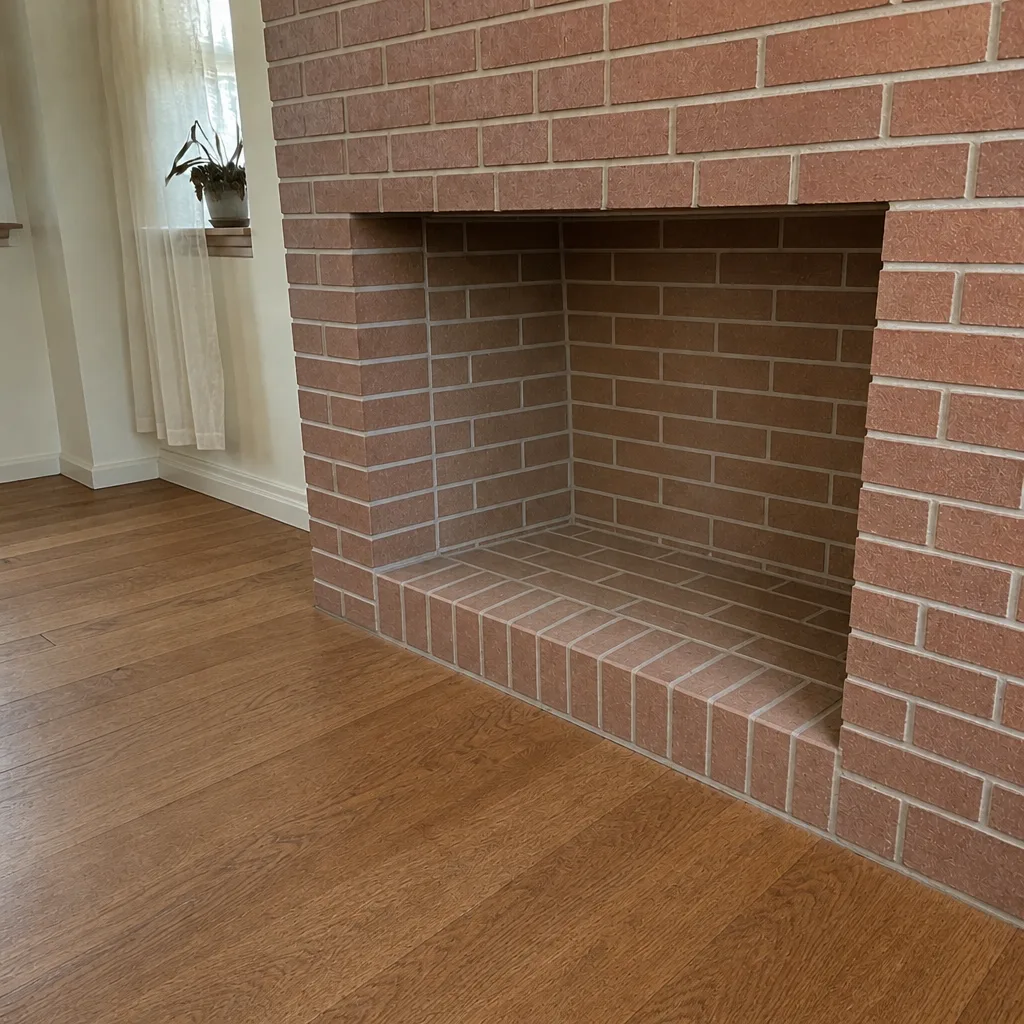
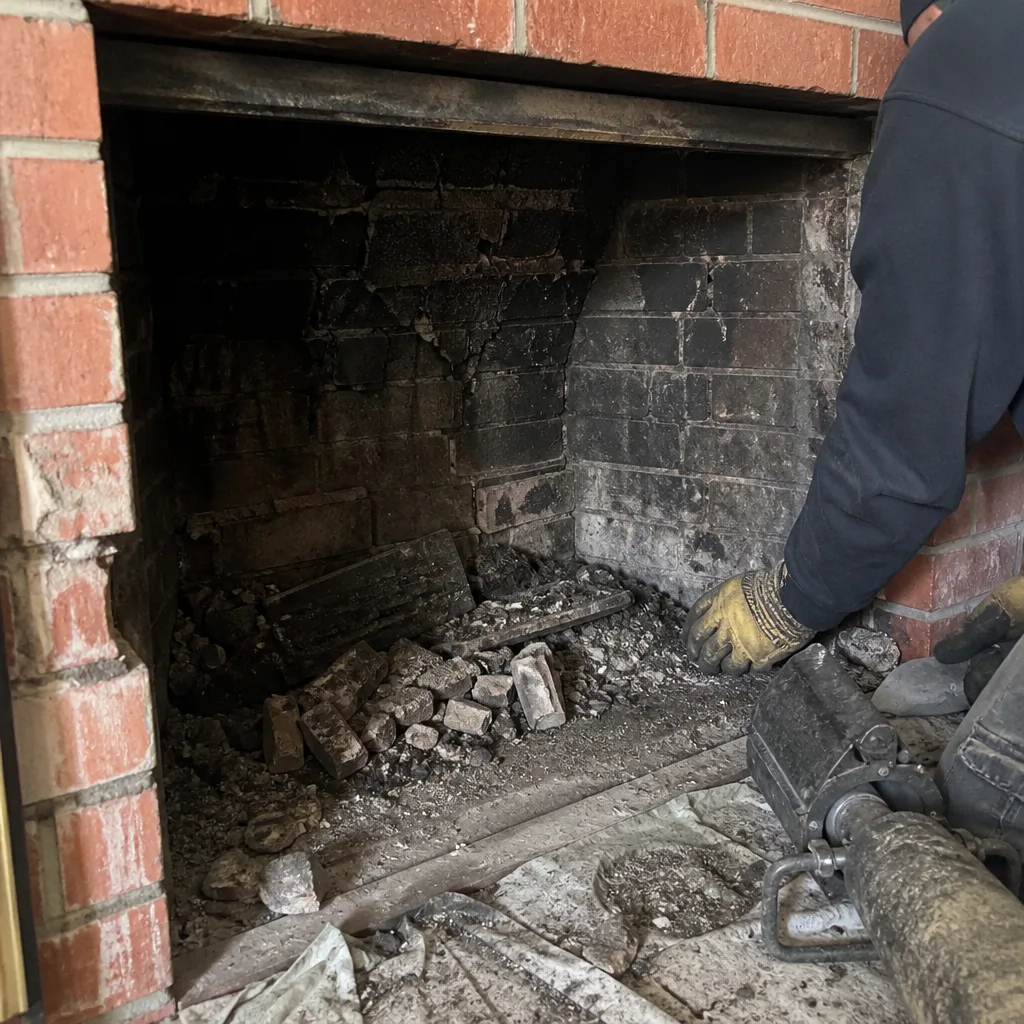
See the difference
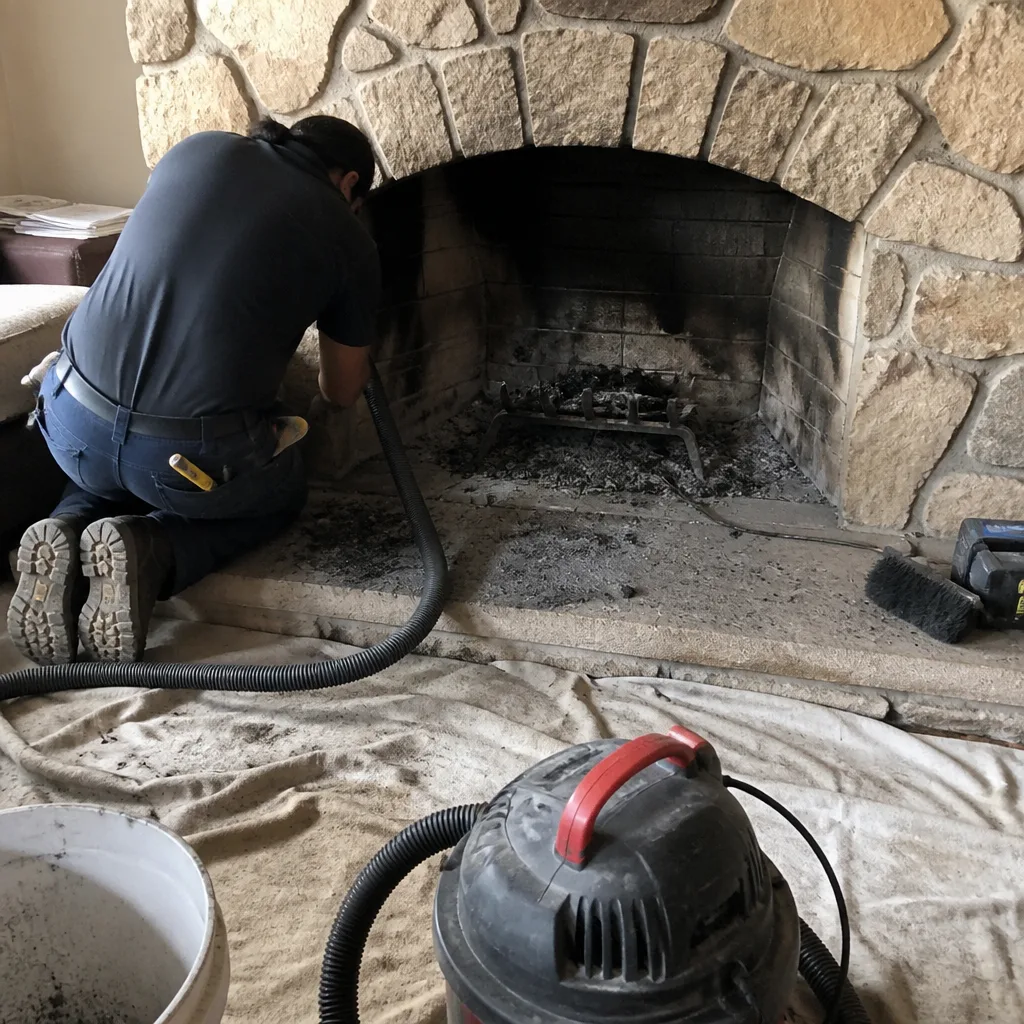 Before
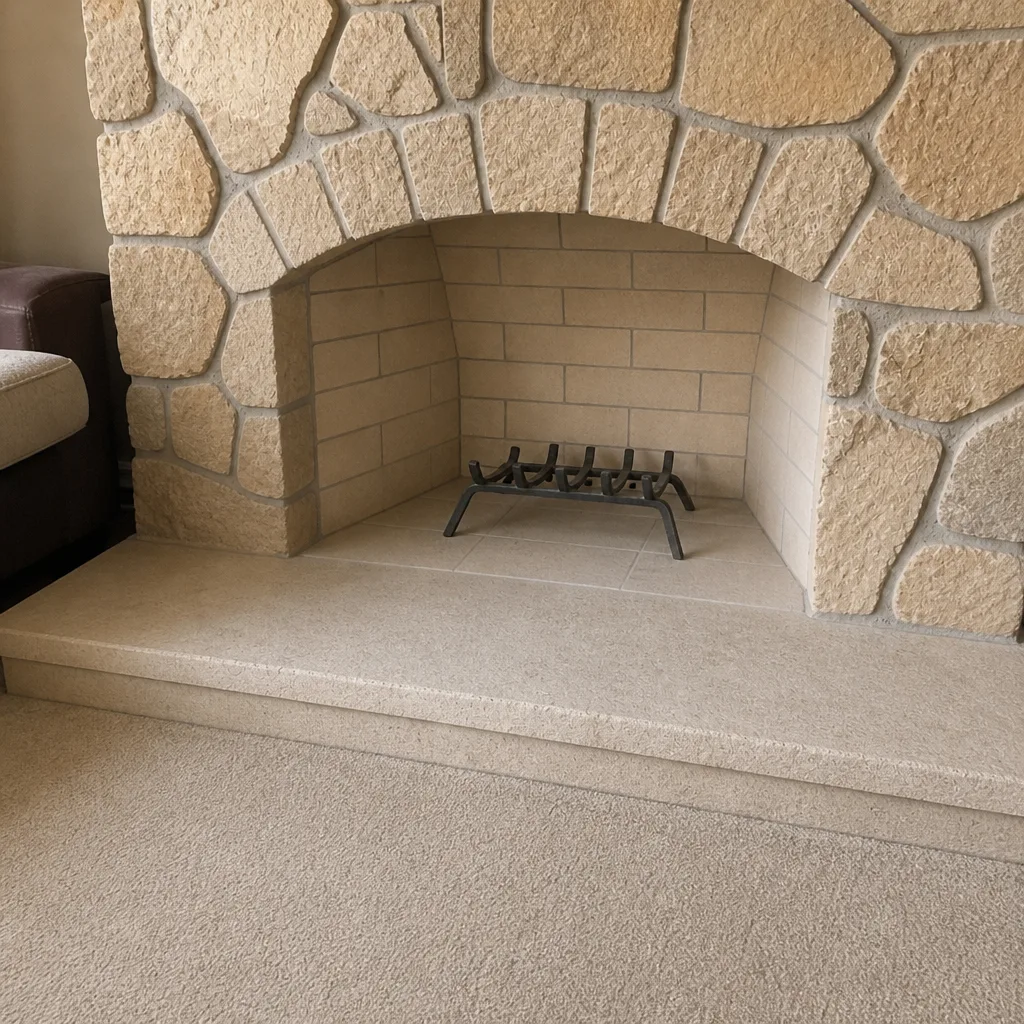 After
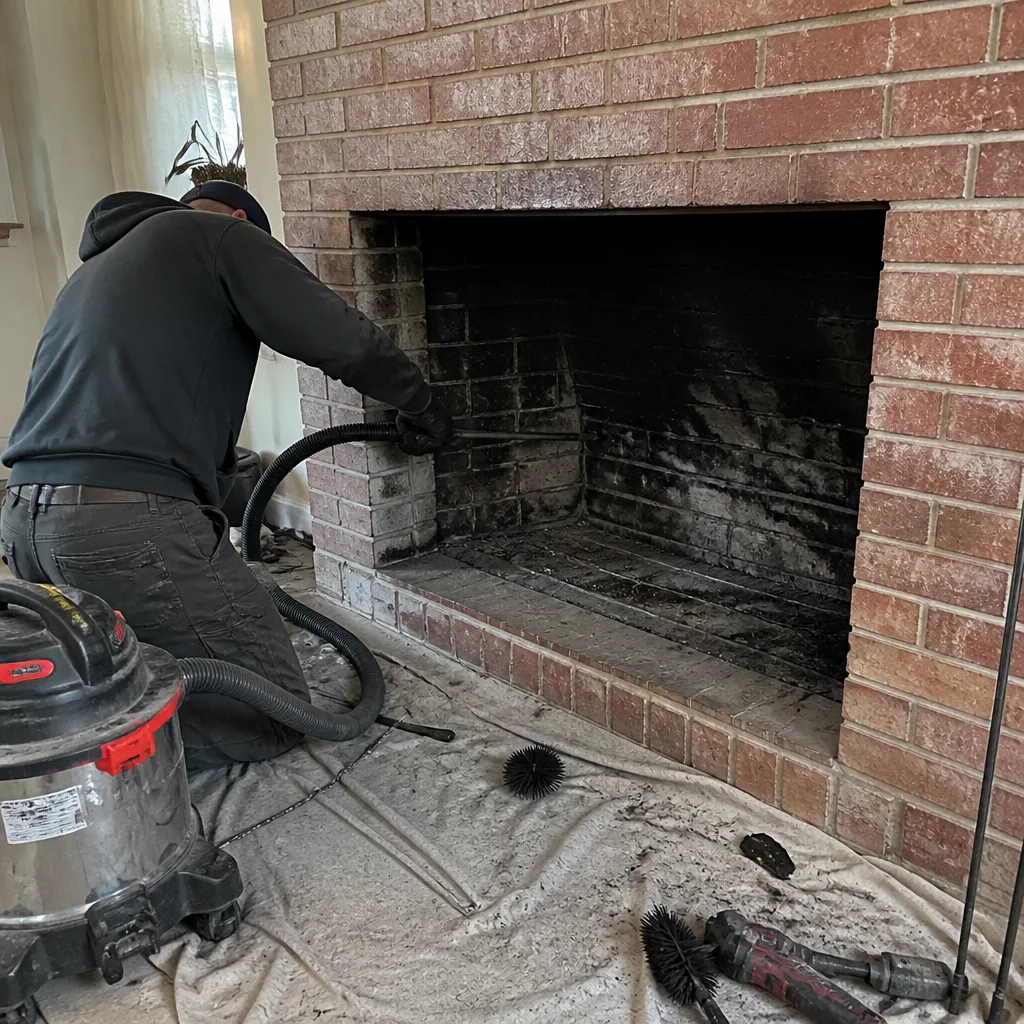 Before
 After
 Before
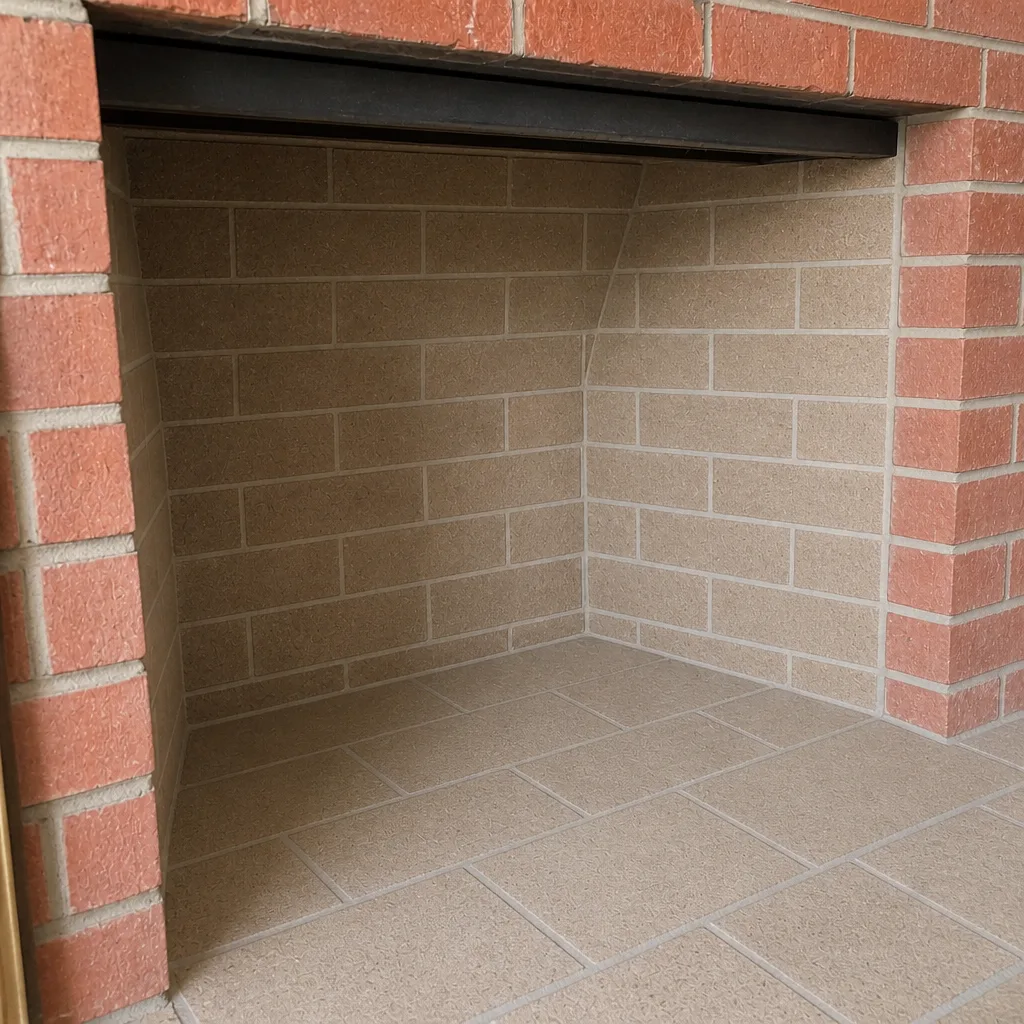 After
When to Call a Professional
Call a professional if you’ve seen smoke roll into the room more than once, if you smell a smoky odor with no fire burning, if you see water stains or white powder on the masonry, or if you’ve spotted any of the red flags above. Call before the first fire of the season if you haven’t had the system inspected in a while. And call before you accept any quote for a liner replacement that doesn’t come with camera footage.
Chimney Sweep Cherry Creek offers free estimates in Cherry Creek. Call (866) 937-8043. We answer 24/7. Fast dispatch is available from 7am to 7pm, Sunday through Friday, with a written estimate that sets the final price on every job. Nothing gets recommended without camera evidence you can see for yourself, and we’ll tell you plainly when work can safely wait. A proper chimney sweep visit is the natural first step for most systems, and it will tell you whether repair work is even needed.
Frequently Asked Questions
Smoke rollback after a sweep usually means the draft is being restricted by something other than creosote: a low crown, a downdraft-prone cap, negative pressure inside the house, or a cracked liner that’s disrupting airflow. A sweep solves buildup; it doesn’t solve geometry or pressure. Call (866) 937-8043 for an inspection and camera scan, and you’ll see which of these is actually happening in your system.
You can’t tell from the living room. A cracked liner and a heavy creosote restriction feel nearly identical because both reduce draft and both produce smoke rollback. The only reliable way to know is a camera scan of the full flue. A sweep clears creosote; a cracked liner requires relining with a DuraFlex flexible liner system or HeatShield resurfacing. Call (866) 937-8043 for a camera inspection and you’ll have the answer.
It’s efflorescence, and it means water has been moving through the masonry and pushing mineral salts to the surface. The cause is almost always a cracked crown, a missing cap, or failed flashing. It’s not cosmetic: those are the two leading entry points for water damage. Call (866) 937-8043 for cap and crown inspection and you can see the crack on camera rather than guess at it.
You can safely check the damper, the firebox, and the visible portion of the flue from the firebox with a flashlight. You can also check the exterior from the ground with binoculars. But you cannot safely climb onto the roof to inspect the flue, and a homeowner flashlight doesn’t reach the full liner. A professional camera inspection covers the full flue, top to bottom. Call (866) 937-8043 to book one.
That pattern points to wind-induced downdraft, not a blockage. Prevailing winds across the roofline create a low-pressure zone on the downwind side of the chimney, and if your chimney terminates there, the wind pushes air down the flue. The fix is usually a properly designed cap that stabilizes draft, not a sweep. Call (866) 937-8043 for a cap and crown assessment and you’ll know which fix applies to your roofline.
Not always. A short crack in a clay tile liner can often be restored with HeatShield resurfacing, which is a trade-recognized relining solution that saves the cost of a full replacement. A long, separated, or crumbling liner generally requires a full reline with DuraFlex. The camera footage determines which one is appropriate, and we don’t recommend relining without showing you the reason. Call (866) 937-8043 for an inspection and a written estimate.
The Bottom Line
The single biggest mistake in chimney troubleshooting is diagnosing the wrong component. Smoke rollback gets blamed on creosote, water stains get blamed on the roof, and both get fixed with the wrong product, which means the actual failure stays put. Match your symptom to the component before you book, and use a camera inspection to confirm what you’re seeing. Water through the cap and crown is the leading cause of long-term damage in Cherry Creek, and it’s the most easily prevented. And no recommendation, sweeping or relining, should ever come without camera footage you can see for yourself. That’s the standard we work to. Inspection first, recommendations second, and the written estimate sets the final price.
Call (866) 937-8043 for a free estimate. We answer 24/7. Fast dispatch is available from 7am to 7pm, Sunday through Friday. We work with DuraFlex, HeatShield, Gelco, Olympia Chimney, Farnco, and Copperfield to install the right system for your chimney, not the easiest one to stock. If you want the full-service overview of everything a Chimney Sweep Cherry Creek visit covers from sweep to cap and crown, start there, or go directly to a chimney cap & crown assessment if water intrusion is your symptom.
Written by the team at Chimney Sweep Cherry Creek.