
Last updated November 24, 2026
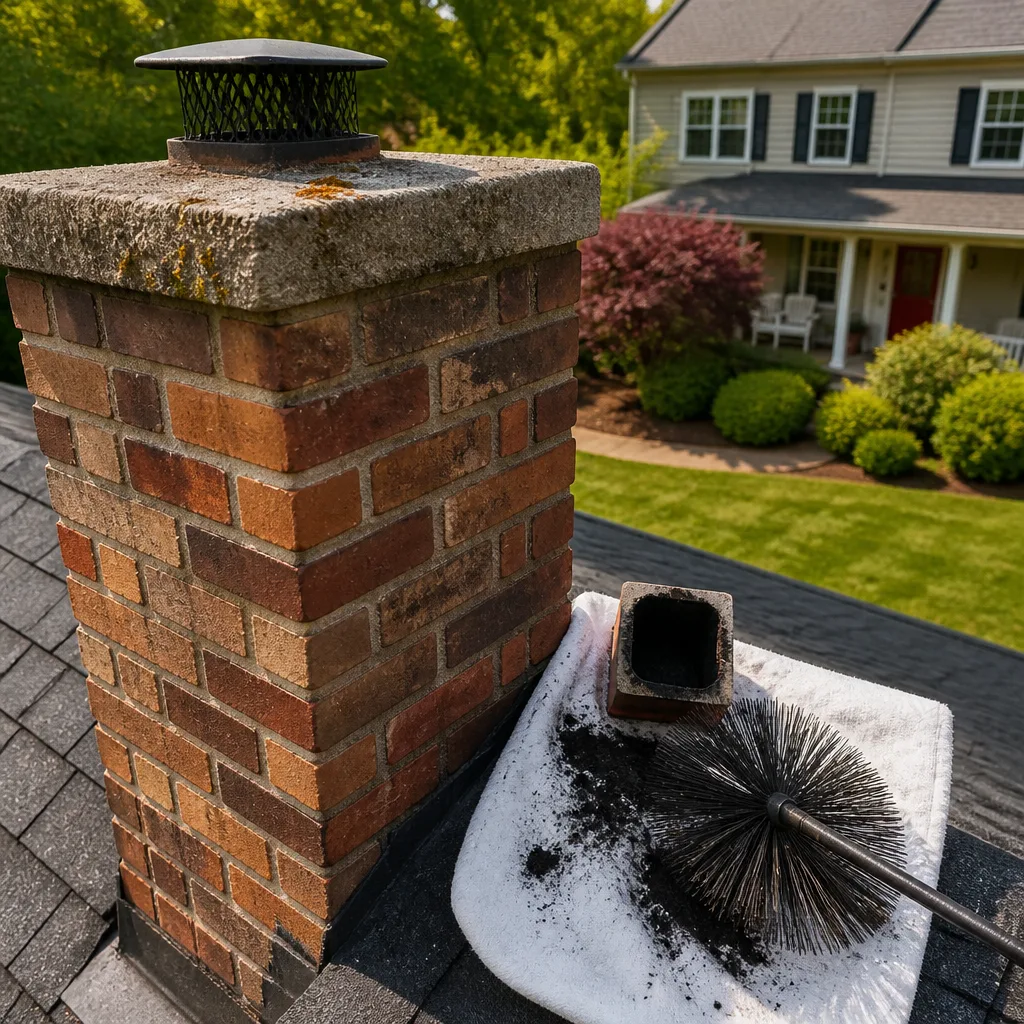 Sweep & inspection
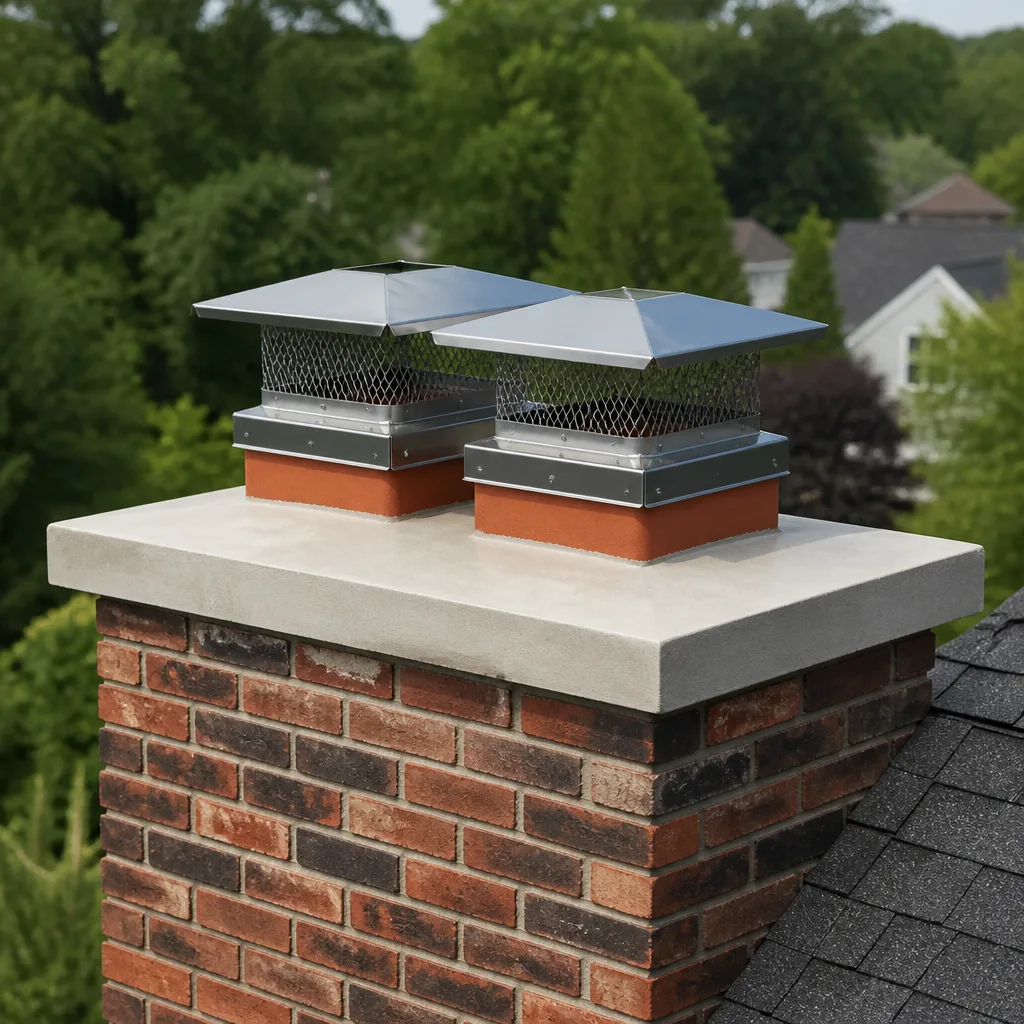 Caps & crowns
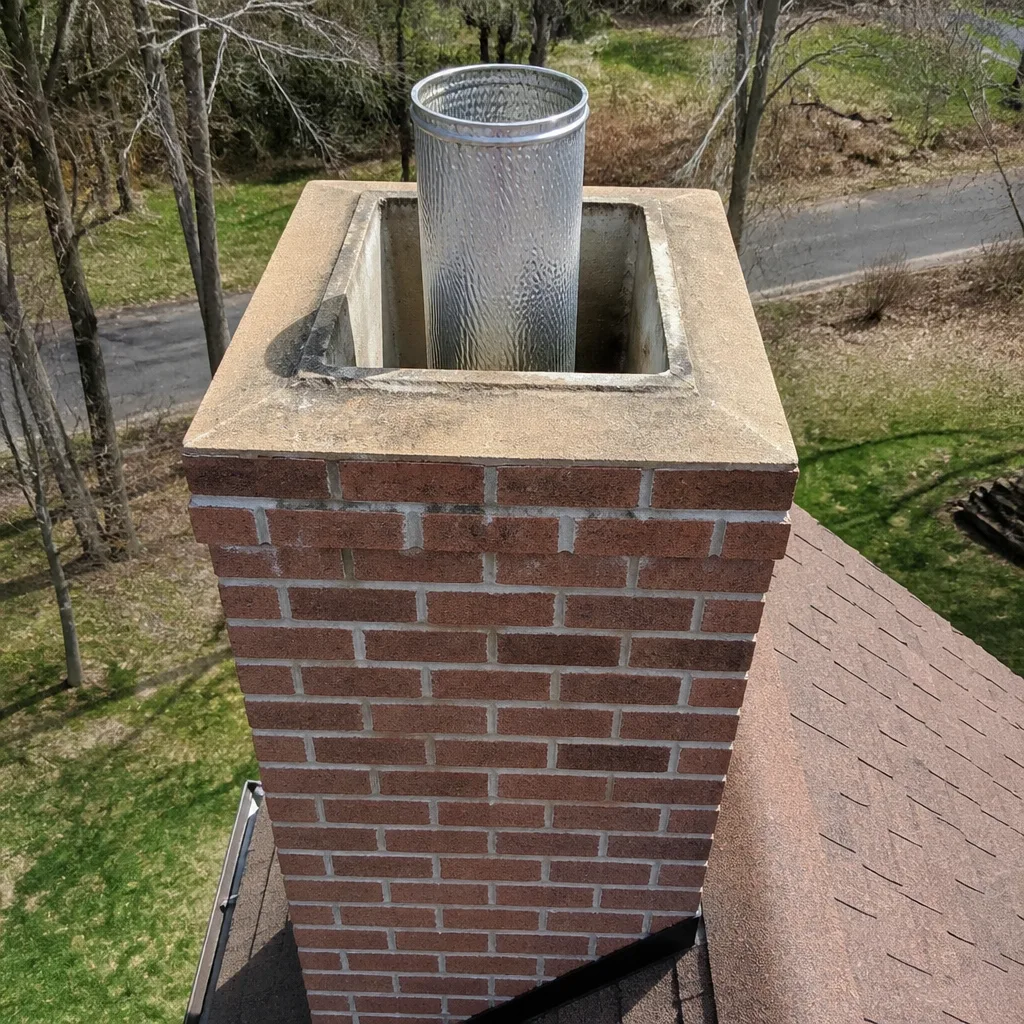 Flue relining
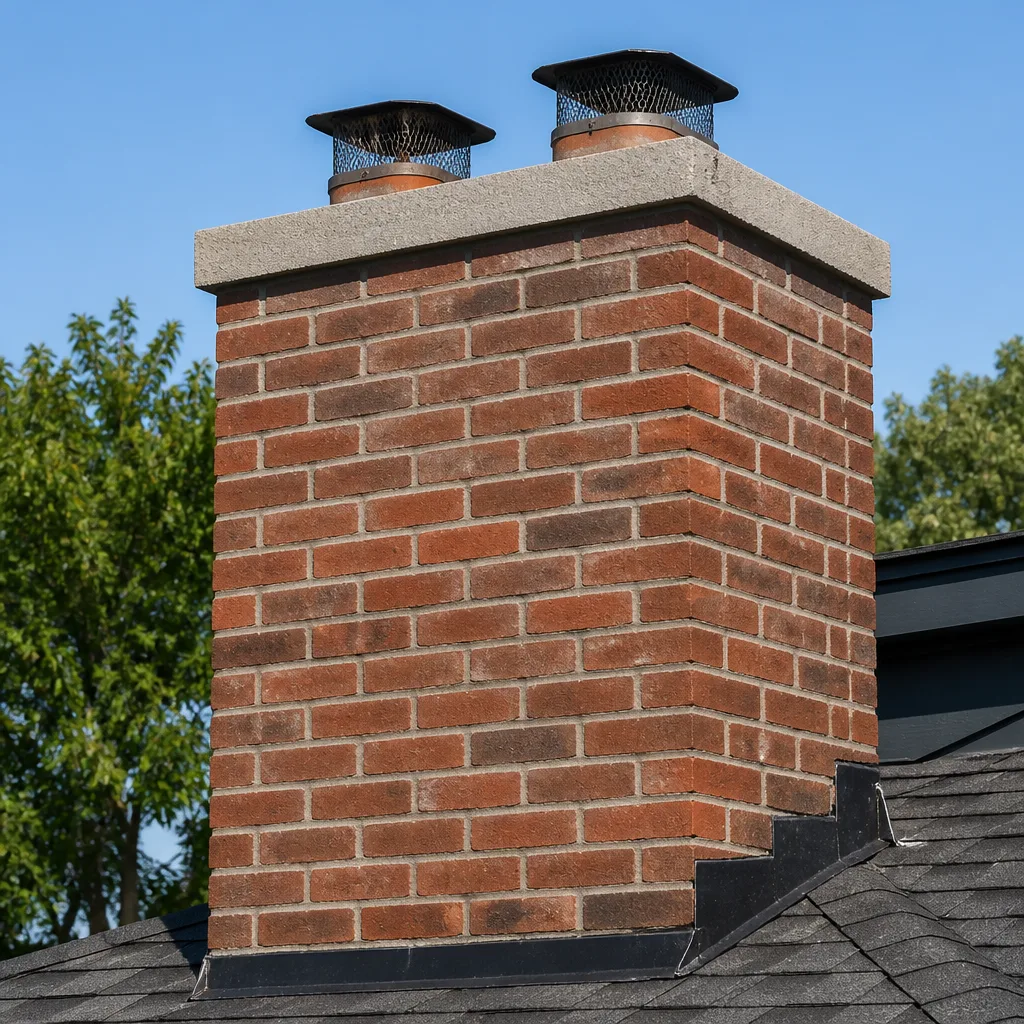 Masonry repair
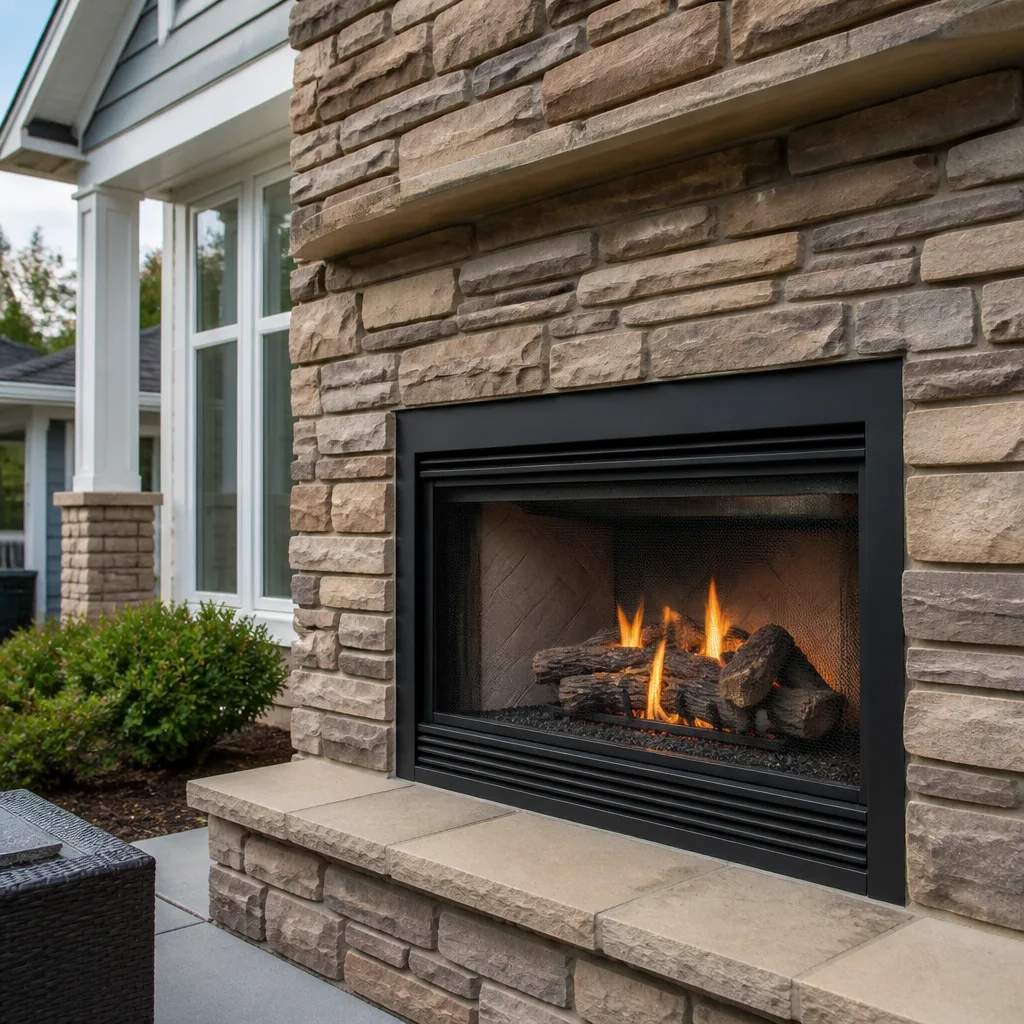 Gas fireplace service
Level 1 sweep and inspection to the NFPA 211 annual standard - flue, crown, cap, and flashing checked and photographed
Chimney sweep logs do not sweep chimneys. They loosen some creosote - which then falls where a brush and vacuum still have to collect it.
Chimney Cleaning Warning Signs: A Cherry Creek Homeowner’s Reference Guide
Most chimney warning-sign guides point you toward the dramatic stuff: white smoke rolling out of the firebox, a chemical smell in the living room, a fire that won’t draw. By the time any of that shows up, the problem has usually been sitting in the masonry for a season or more. The earlier signals are quieter and live in the materials themselves. A white stain on exterior brick. A hairline crack in a mortar joint. A faint popping sound during the first fire of fall. This guide works backward from the late-stage symptoms to the early ones a Cherry Creek homeowner can actually catch, and explains what each one is telling you about the system behind the wall.
Quick Answer
The earliest chimney cleaning warning signs in Cherry Creek are exterior: white efflorescence staining on the brick, then spalling flakes, then receding mortar joints, then a cracked crown. Inside, watch for rust on the damper, a white haze on firebox walls, and smoke rollout at low draft. A chimney that draws fine is not automatically a clean chimney, because glazed creosote can ignite without producing a visible smoke signal first.
Styles & brands we work with
- Sweep & inspection
- Caps & crowns
- Flue relining
- Masonry repair
- Gas fireplace service
Table of Contents
- The exterior warning-sign hierarchy: efflorescence to crown cracking
- What the inside of your firebox is telling you
- Smell as a diagnostic tool: creosote, musty, or metallic
- Why a chimney that draws fine is not a clean bill of health
- How Cherry Creek’s freeze-thaw cycle finds liner tile joints
- Listening for the warning before you see it
- The seasonal checklist: what to inspect before the first fire
- What typically drives the cost of fixing what you find
The Exterior Warning-Sign Hierarchy: Efflorescence to Crown Cracking
Water damage on a chimney follows a predictable order, and each stage tells you how far the intrusion has progressed. A white efflorescence stain on your chimney’s exterior brick isn’t a cosmetic issue. It’s dissolved salt being pushed out by water that’s already inside your masonry, and it shows up well before the spalling begins.
Here’s the hierarchy, in the order it typically appears:
- Efflorescence. A chalky white or grey bloom on the brick face, often near the crown or the flashing line. The salt crystals are harmless in themselves; what matters is that moisture had to travel through the brick to bring them out. Rub a patch with a dry brush. If it powders off easily, it’s efflorescence. If it’s crusty and won’t move, it may be something else and worth a closer look.
- Spalling brick. The face of the brick begins to flake, peel, or pop off in thin layers. This is the point where freeze-thaw cycles have started breaking the brick apart from the inside. In Cherry Creek, where winter swings between hard freezes and warm afternoons, spalling moves faster than it would in a milder climate.
- Mortar joint recession. The mortar between bricks erodes and pulls back, leaving the brick faces standing proud. Run a finger along a joint. If your fingertip sinks into a soft, sandy groove, the mortar has lost its binder and the wall is taking on water through those joints.
- Crown cracking. The concrete cap at the very top of the chimney develops cracks, often at the corners or where the flue passes through. A cracked crown lets water straight down into the flue and the surrounding masonry. This is the most serious of the four exterior signs because the water entry point sits above everything else.
We’ve watched this progression repeat on chimney after chimney in Cherry Creek, and the pattern is consistent: the earlier you catch it, the smaller the repair. A crown that’s sealed while the crack is still thin is a far less involved job than one where the water has already worked down through the flue and into the firebox. If you’re seeing any of these stages, an inspection is the honest next step, and a chimney cap & crown service is often where the repair lands.
What the Inside of Your Firebox Is Telling You
The firebox and damper are where interior warning signs surface first, because that’s where moisture and combustion byproducts collect. Each signal points to a different part of the system.
- Rust on the damper or the firebox grate. A damper is steel, and steel rusts when it’s wet. Rust on the damper blade or the frame around it usually means water is getting in from above, through a missing or failed cap, a cracked crown, or failed flashing. It’s rarely condensation alone. In our experience, rust inside the firebox is one of the most reliable indicators that the cap and crown need attention.
- A white haze or crust on the firebox walls. That chalky film is different from soot. It’s typically a sign of moisture reacting with the masonry, or of efflorescence forming on the inside face. Either way, it means water is present where it shouldn’t be. It also makes the firebox harder to read for creosote buildup, because the haze masks the soot pattern underneath.
- Smoke rollout at low draft. If smoke spills into the room when you first light a fire, before the flue has warmed, that’s a draft problem. It can be a partially blocked flue, a flue that’s undersized for the firebox, or a chimney that’s too short for the roofline. Smoke rollout is one of the few signs you’ll notice immediately, but it’s also one that’s often dismissed as “the fire just needs to get going.”
What each of these has in common is that none of them require the chimney to be visibly dirty from the outside. A firebox can look perfectly reasonable and still be showing you rust, haze, or draft trouble that says something deeper is wrong. That’s why we frame every visit as inspection first, recommendations second. The firebox reading tells us where to look next.
Smell as a Diagnostic Tool: Creosote, Musty, or Metallic
Your nose can tell three distinct chimney problems apart, and each one points to a different cause and a different fix.
- A sharp, smoky, tar-like odor. That’s creosote. It’s the residue of incomplete combustion, and it builds up on the flue walls whether or not you can see it. A strong creosote smell in the room, especially on warm days when the chimney isn’t drafting, usually means it’s time for a chimney sweep. Creosote is also the fuel for chimney fires, so a persistent smell is worth acting on rather than waiting out the season.
- A musty, damp, basement-like odor. That’s moisture, not creosote. It usually comes from water intrusion through the crown, the cap, or the flashing, and it often pairs with the rust and efflorescence signs above. A chimney that smells musty is a chimney taking on water, and the source needs to be found before the masonry suffers more freeze-thaw damage.
- A sulfur, rotten-egg, or metallic smell. This one is the most serious. It can indicate combustion gases backing into the home rather than going up the flue, which is a carbon monoxide concern. If you smell sulfur or something metallic near the fireplace or anywhere in the house when the fire is burning, stop using the fireplace and get the system checked. A working carbon monoxide alarm is the right backup here, but the smell itself is a signal you shouldn’t ignore.
These three odors are worth learning because they’re free diagnostics. You don’t need a tool to notice them. You just need to know what each one is telling you about the chimney, the water, or the draft.
Why a Chimney That Draws Fine Is Not a Clean Bill of Health
A chimney that pulls smoke up the flue and out the top is doing its basic job. That doesn’t mean it’s safe to burn in. Draft and cleanliness are two different things, and glazed creosote is the clearest example of why.
Glazed creosote, sometimes called third-degree creosote, forms when creosote is heated repeatedly and hardens into a shiny, tar-like coating on the flue walls. It’s dense and it’s highly combustible. The catch is that a chimney coated in glazed creosote can still draft perfectly well, because the flue passage isn’t blocked, it’s just lined with fuel. There’s no smoke rollout, no visible warning during a normal fire. The danger only shows up when the flue gets hot enough to ignite that coating, and by then the chimney fire is already underway.
That’s the scenario most warning-sign guides miss. They describe the end state, not the setup. The setup is a chimney that behaved normally right up until it didn’t. And it’s why a visual check of the firebox from the living room, or a “it draws fine” test at the start of the season, isn’t a substitute for an inspection that actually looks down the flue.
This is also where the material condition of the liner matters. A clay tile liner with cracked joints, or a liner that’s been compromised by moisture, won’t hold up the way it should, and glazed creosote sitting on a failing liner is a combination you want found before it’s tested by a hot fire. When a liner needs attention, we work with professional-grade systems including DuraFlex flexible liners and HeatShield resurfacing, both of which are made for this exact job rather than adapted from something else.
How Cherry Creek’s Freeze-Thaw Cycle Finds Liner Tile Joints
Cherry Creek sits where winter flips between hard freezes and warm, sunny afternoons, sometimes within the same day. That cycle is hard on masonry, and it’s particularly hard on the joints between clay liner tiles.
Here’s what happens. Moisture gets into a hairline crack at a liner tile joint, either from a cracked crown above or from condensation inside the flue. That moisture freezes overnight, expands, and widens the crack a fraction. The next afternoon it thaws, water seeps a little deeper, and that night it freezes again. Over a season, a hairline joint becomes a real gap. The liner is still standing, the chimney still draws, and the firebox still looks fine. But the flue is no longer sealed the way it needs to be for combustion gases to go up and out rather than into the surrounding structure.
This is one of the reasons we recommend inspecting before the first fire of the season rather than after. A freeze-thaw winter does its damage quietly. The inspection is where you find out how much. If the liner joints have opened up, fireplace repair may be the right starting point, or the liner itself may need relining work. Either way, the failure starts small and the repair is proportional to how early it’s caught.
The exterior stage signs from the first section and the liner joint problem are connected. A cracked crown or missing cap lets water in from above, and the freeze-thaw cycle pushes it into the joints. Cap and crown work addresses the entry point; liner work addresses the damage already done. Both are part of the same system.
Listening for the Warning Before You See It
One of the most useful early-detection tools you have is your ears, especially during the first few fires of fall. Here’s what to listen for:
- Popping or cracking sounds during warm-up. A chimney that pops or ticks as it heats is usually masonry or liner joints expanding. A little of that is normal. A sharp, repeated cracking sound that continues after the fire has settled is not, and it’s worth having checked.
- A rumbling or whooshing sound from the flue. If the fire sounds like it’s rushing or roaring more than usual, or if you hear a low rumble that doesn’t match the size of the fire, treat it as a sign to stop burning and inspect. This is the sound people describe around chimney fires, and you don’t want to wait to confirm it.
- Ticking from the flue area after the fire is out. Cool-down ticks from metal components are normal. Ticking that continues long after the fire should be cool, or that comes with the smell of smoke in the room, points to something the flue is telling you.
The first-fire-of-fall window is the best listening opportunity of the year, because the chimney has been cold for months and any changes from the last burn season will show up then. We’ve found that homeowners who pay attention in those first fires often catch liner issues earlier than those who don’t, simply because the chimney announces itself before the damage becomes visible from outside. Combine listening with a walk around the exterior to check the brick and crown, and you’ve done most of the early detection a homeowner can reasonably do without a camera.
The Seasonal Checklist: What to Inspect Before the First Fire
Run through this before you light the first fire each fall. It’s the practical version of everything in this guide, and it’s what we recommend to every Cherry Creek homeowner we work with.
- Walk the exterior. Look for efflorescence, spalling brick, receding mortar joints, and cracks in the crown. Check that the cap is present, seated, and clear of debris.
- Check the flashing. Where the chimney meets the roof, look for gaps, lifted edges, or staining on the roof deck. Failed flashing is a common water entry point.
- Open the firebox and look inside. Check for rust on the damper, white haze on the walls, and any sign of water staining.
- Smell the firebox. Creosote, musty, or metallic, each one tells you something different, as covered above.
- Do a draft test with a small fire or a smoke test. Watch for rollout when you light. If smoke spills into the room before the flue warms, that’s a draft problem.
- Book an inspection. The full check requires looking down the flue with a camera, and that’s a job for a specialist. Inspection is available as a standalone service, so you can get an honest read on the system before committing to any repair.
What you’ll notice is that most of this checklist is observation, not repair. The system shows you its condition if you know where to look. The inspection turns those observations into a clear picture, and any work that follows is based on what the camera sees rather than on what someone thinks it might need.
What Typically Drives the Cost of Fixing What You Find
We don’t quote prices on a page, because the price depends on what the inspection finds and it’s set per job by the written estimate. What we can do is tell you what drives the number, so you understand what you’re paying for when the estimate comes.
- Which layer of the system is involved. A sweep is a different job from a cap and crown replacement, which is a different job from relining. The five service categories we handle – sweeping, inspection, fireplace repair, chimney repair, and cap and crown – each sit at a different level of cost.
- How far the water damage has gone. Efflorescence alone is a much smaller job than spalling brick with a cracked crown above it. The earlier the stage, the less the repair.
- Whether the liner can be resurfaced or needs full replacement. This is where HeatShield resurfacing matters. It restores a compromised liner without going to a full replacement in cases where the liner is a candidate. When full relining is the right call, we install DuraFlex flexible liner systems, which are purpose-built for the job.
- The parts and materials. We source from established chimney-trade suppliers – Olympia Chimney and Gelco among them – so the components in the estimate are made for chimney work rather than adapted from general construction.
- Whether you’re coordinating one trade or several. Because the five services are handled by one specialist company, you’re not paying for a handyman to diagnose, a mason to repair, and a roofer to handle flashing as separate visits. The system is read as a whole and priced as a whole.
The written estimate is where the final price lives, and you should expect to see the scope laid out in terms of what the inspection found. That’s how you verify that the recommendation matches the evidence.
Common Mistakes to Avoid
- Treating efflorescence as a cosmetic problem. That white stain is moisture coming through the masonry from the inside. Cleaning it off without finding the water source just means it returns next season, and the brick underneath keeps deteriorating.
- Skipping the inspection because the chimney draws fine. Draft and cleanliness are unrelated, and a chimney lined with glazed creosote can draft perfectly until it ignites. A flue look with a camera is the only way to know what’s actually on the walls.
- Burning without checking the crown first. In Cherry Creek’s freeze-thaw climate, a cracked crown is the most common way water gets into the flue. It’s a small repair early and a much bigger one after a winter of water working down through the masonry.
- Ignoring the first-fire sounds and smells. Popping, cracking, and a metallic smell during the first fires of fall are early signals. Dismissing them as “the chimney warming up” is how small liner issues become larger ones.
- Patching exterior brick without addressing the cap and crown above it. New brick and repointed mortar won’t stay sound if water is still entering from the top. The cap and crown come first.
- Assuming any chimney company handles the whole system. Many general contractors and HVAC companies sweep on the side and stop at the flue. Structural repair, liner resurfacing, and cap and crown work are where a specialist differs from a generalist.
- Letting creosote build up across multiple seasons. Creosote that isn’t swept away doesn’t stay stable. It glazes, hardens, and becomes the fuel for the scenario described earlier. Regular sweeping keeps the flue in a condition you can actually read.
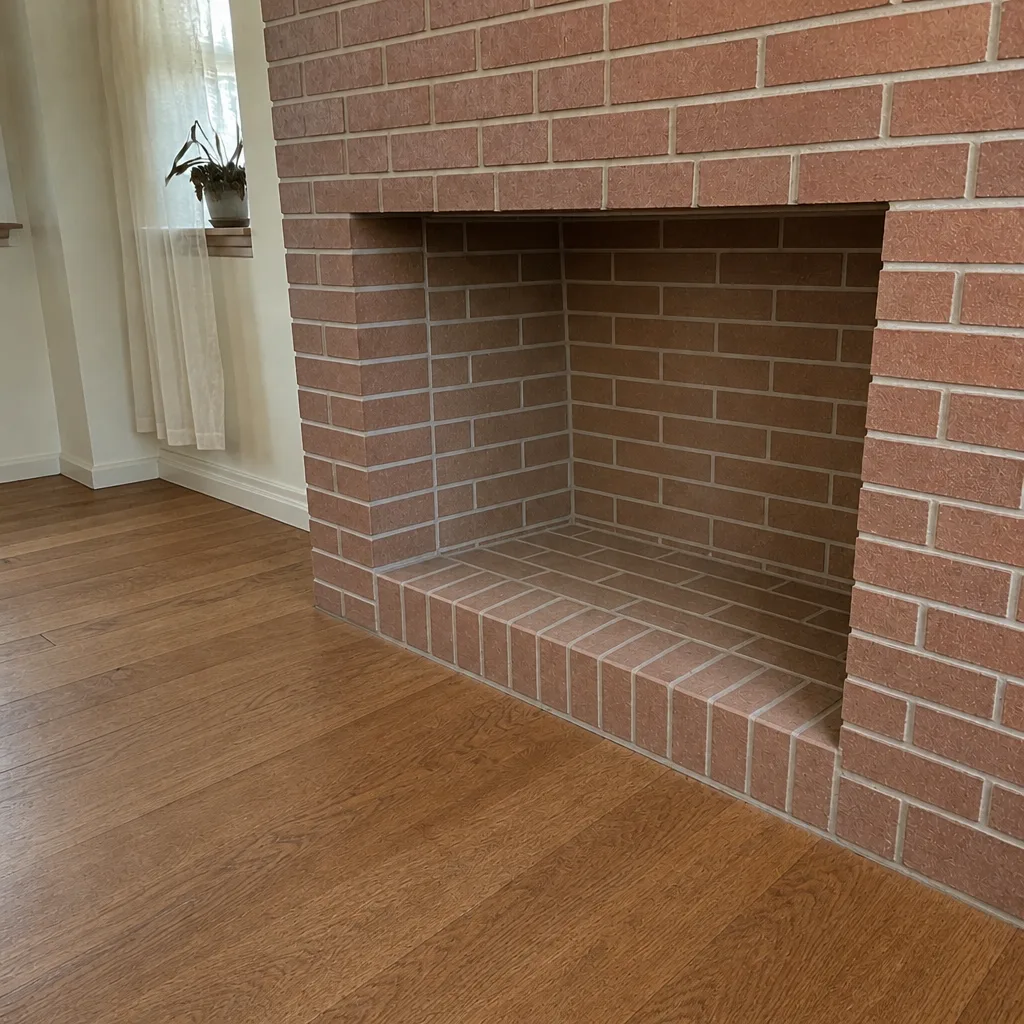
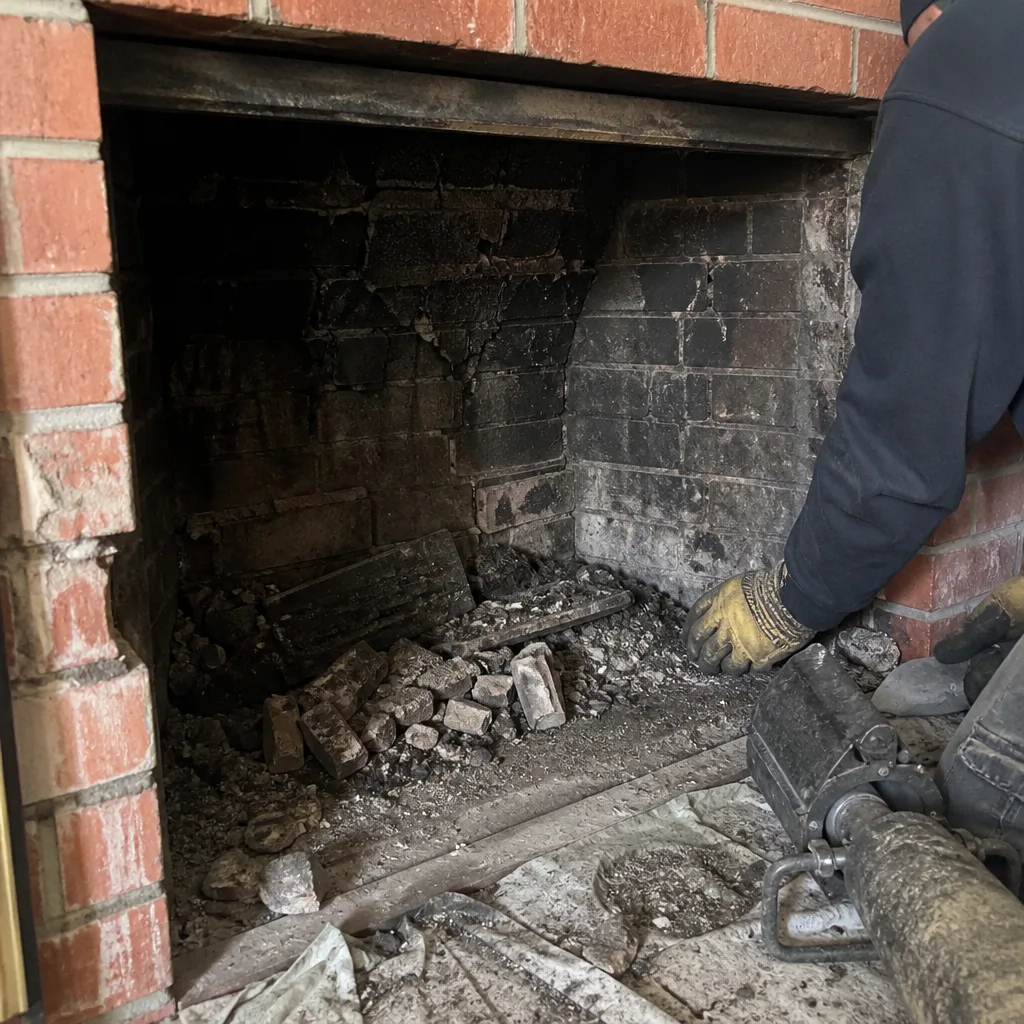
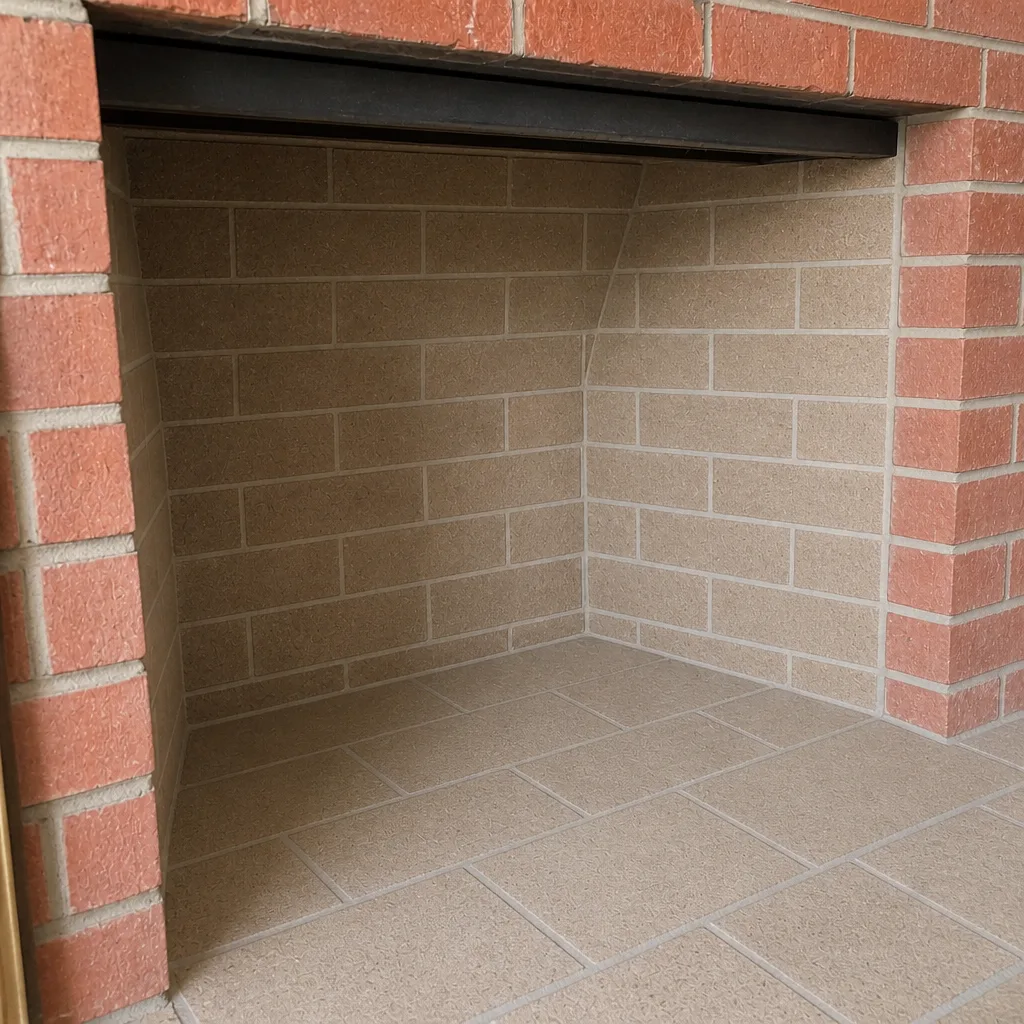
See the difference
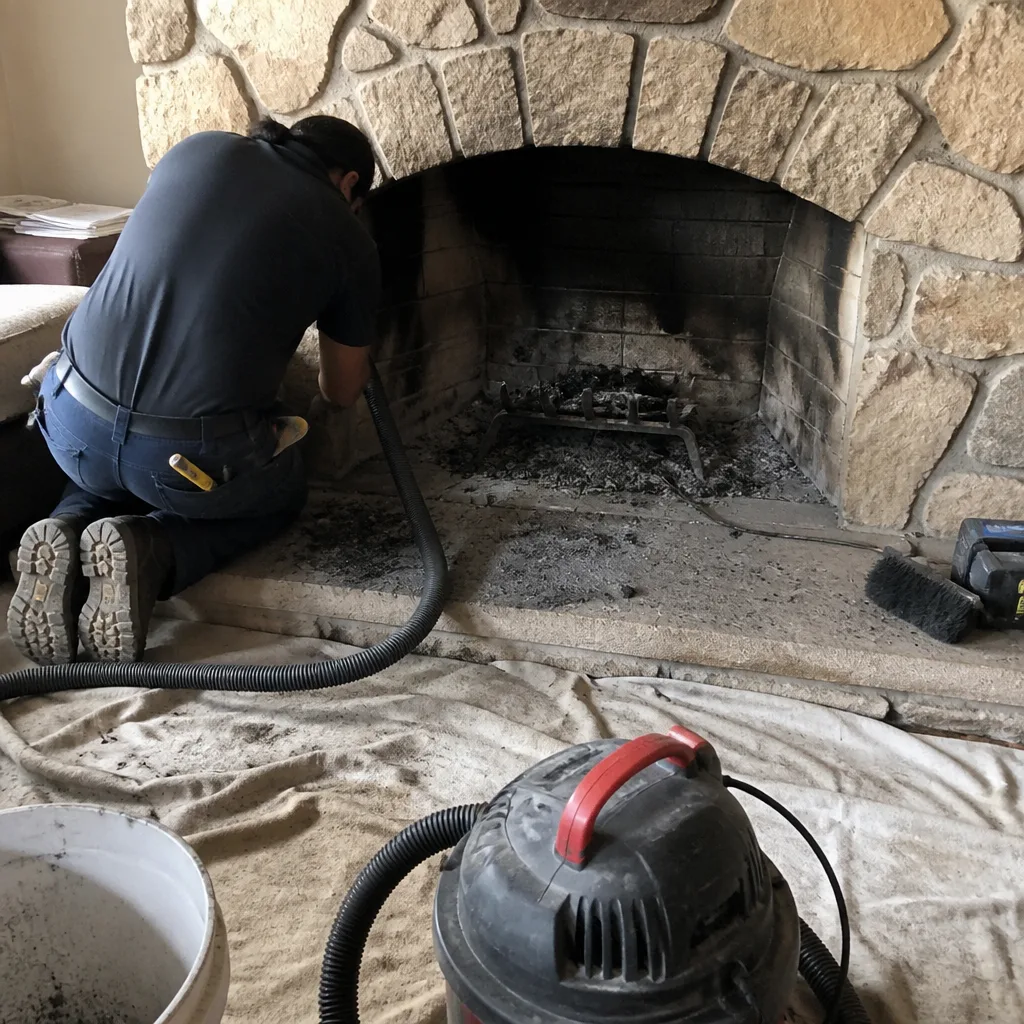 Before
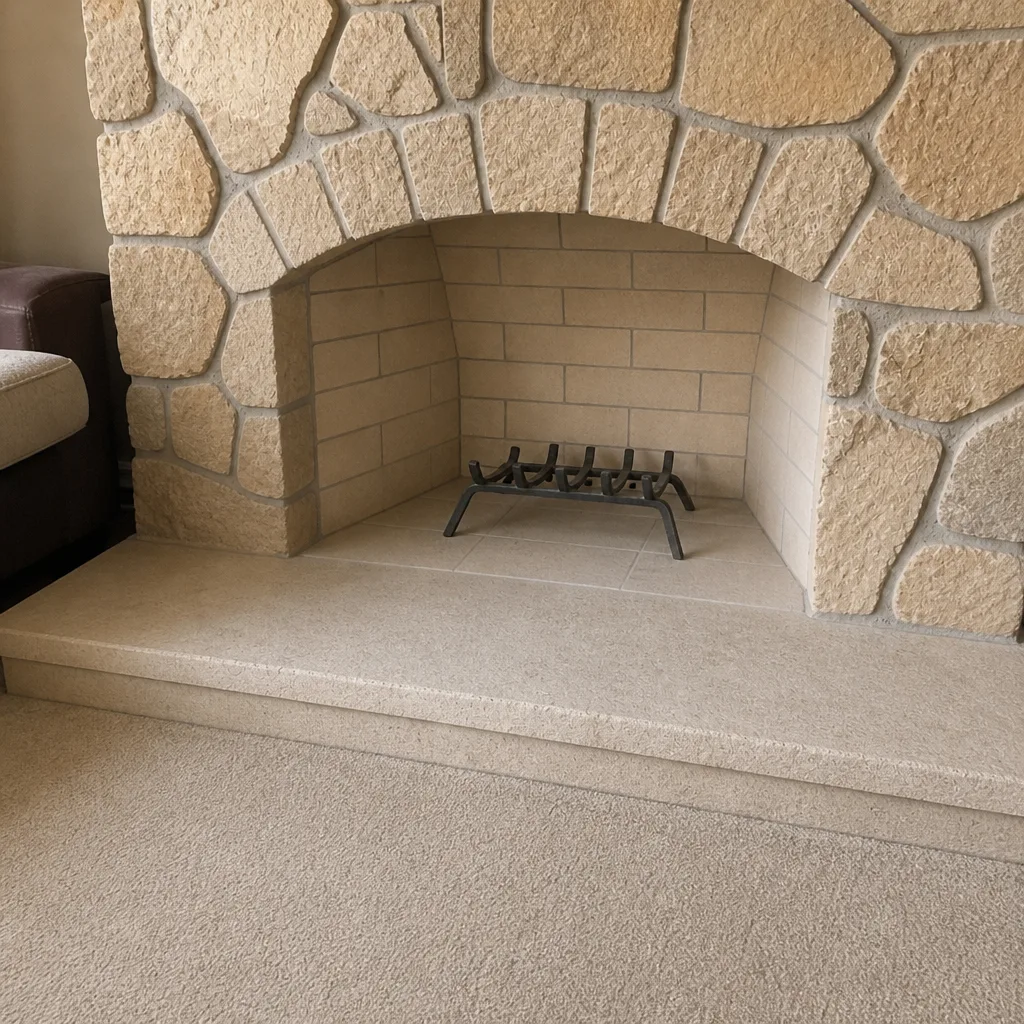 After
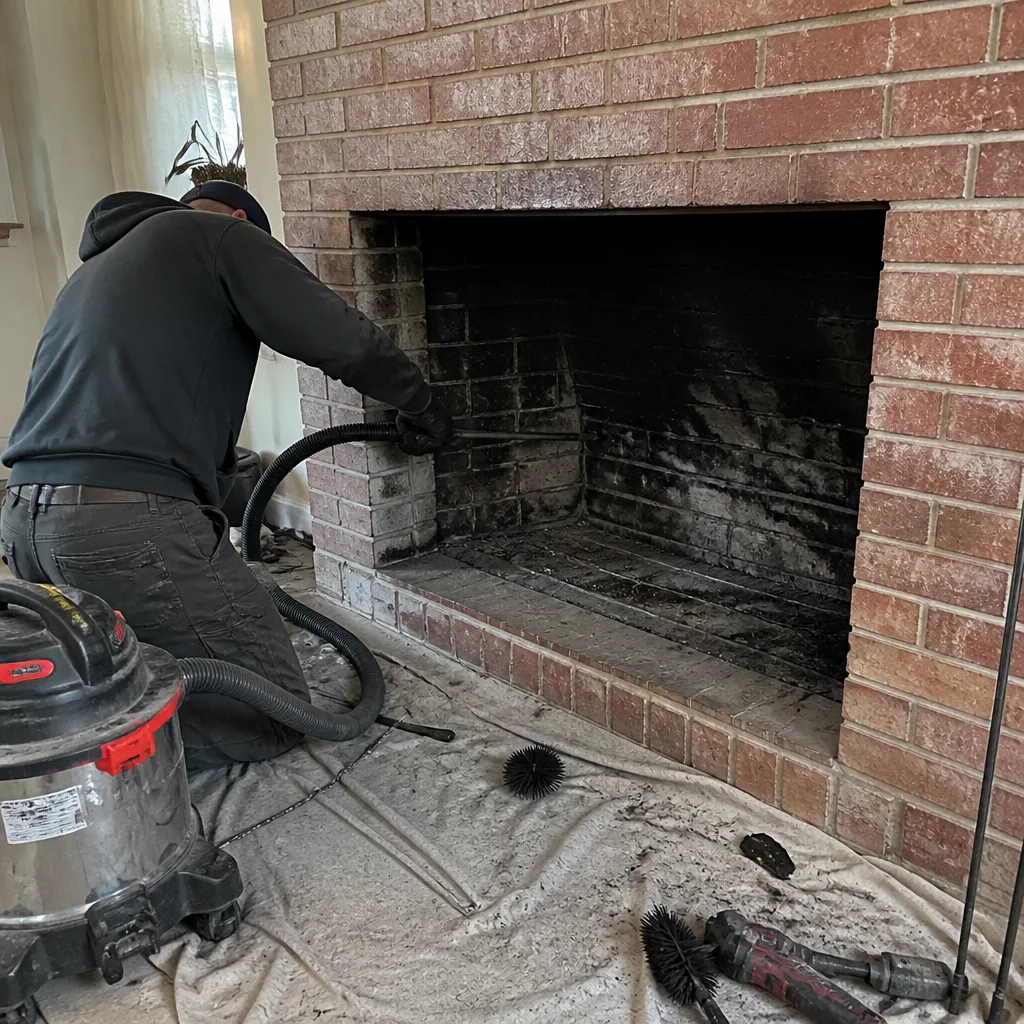 Before
 After
 Before
 After
When to Call a Professional
Call when you see any stage of the exterior hierarchy – efflorescence, spalling, receding mortar joints, or a cracked crown – because all four point to water that’s already inside the system. Call when you notice rust on the damper, a white haze on the firebox, or smoke rollout at low draft. Call when you smell sulfur or metallic notes near the fireplace, and stop using the fireplace until it’s checked. And call if the first fires of fall produce popping or cracking that continues after the fire settles. These are the scenarios where an inspection turns observation into a plan, and where the repair is still proportional to the problem.
Chimney Sweep Cherry Creek offers free estimates in Cherry Creek – call (866) 937-8043. We answer 24/7. Fast dispatch from 7am to 7pm, Sunday through Friday.
Frequently Asked Questions
Most wood-burning chimneys in Cherry Creek should be swept once a year, or more often if you burn frequently, because the freeze-thaw climate accelerates wear on the liner and the buildup of creosote is a separate concern from the masonry condition. Annual sweeping timed before the first fire of fall gives you a clean flue going into the season and a fresh read on the liner joints. Call (866) 937-8043 for an exact quote – estimates are free.
The white staining is almost certainly efflorescence, which is dissolved salt pushed to the surface by water moving through the masonry. It’s the earliest exterior sign of water intrusion and usually appears before spalling and mortar recession. The stain itself isn’t the problem; the water behind it is. An inspection finds the entry point, often at the crown or flashing, and the cap and crown work addresses it at the source. Call (866) 937-8043 for an exact quote – estimates are free.
You need the whole system inspected, not just the flue, because the warning signs in this guide live across the crown, the cap, the flashing, the masonry, the firebox, and the liner. A flue-only sweep can miss a cracked crown or failing flashing that’s causing the water damage. Inspection is available as a standalone service, so you get the full picture before any repair commitment. Call (866) 937-8043 for an exact quote – estimates are free.
A musty smell in summer is moisture, not creosote, and it usually points to water intrusion through the crown, cap, or flashing. Warm weather makes the smell more noticeable because the chimney isn’t drafting and the odor sits in the firebox. The right response is to find and seal the water entry point rather than to wait for cooling weather. Call (866) 937-8043 for an exact quote – estimates are free.
A metallic or sulfur smell near the fireplace can indicate combustion gases backing into the home instead of going up the flue, which is a carbon monoxide concern. Stop using the fireplace until the system has been inspected. Don’t wait to confirm the smell; the signal itself is reason enough to have it checked. Call (866) 937-8043 for an exact quote – estimates are free.
The cost depends entirely on what the inspection finds, because a crown repair, a liner resurfacing, and a full relining are three very different jobs. We set the price per job by the written estimate after the camera inspection, so you’re pricing the actual scope rather than a guess. Nothing is recommended without camera evidence you can see for yourself, and we’ll say plainly when work can safely wait. Call (866) 937-8043 for an exact quote – estimates are free.
The Bottom Line
The dramatic warning signs get the attention, but the useful ones are quieter and earlier: the white efflorescence on exterior brick, the spalling that follows, the receding mortar joints, the cracked crown above them. Inside, it’s rust on the damper, a white haze on the firebox, and smoke rollout at low draft. Smell tells you whether the problem is creosote, moisture, or combustion gas. And a chimney that draws fine is not a clean bill of health, because glazed creosote can sit in a perfectly drafting flue and ignite without a visible warning. Before the first fire of the season, walk the exterior, open the firebox, listen for the popping in the liner joints, and book an inspection that reads the whole system. Catching these signals at the inspection stage is the difference between a proportionate repair and a much larger one. Our technicians have up to 12 years of experience reading exactly these signs.
Contact Us
If anything in this guide matches what you’re seeing on your own chimney, the right next step is an inspection that reads the full system and shows you what it finds. Chimney Sweep Cherry Creek handles the complete range of chimney work – Chimney Sweep Cherry Creek – sweeping, inspection, fireplace repair, chimney repair, and cap and crown installation, with professional-grade systems including DuraFlex, HeatShield, Olympia Chimney, Gelco, Famco, and Copperfield. Call (866) 937-8043 for a free estimate. We answer 24/7. Fast dispatch from 7am to 7pm, Sunday through Friday.
Written by the team at Chimney Sweep Cherry Creek.