
Last updated November 24, 2026
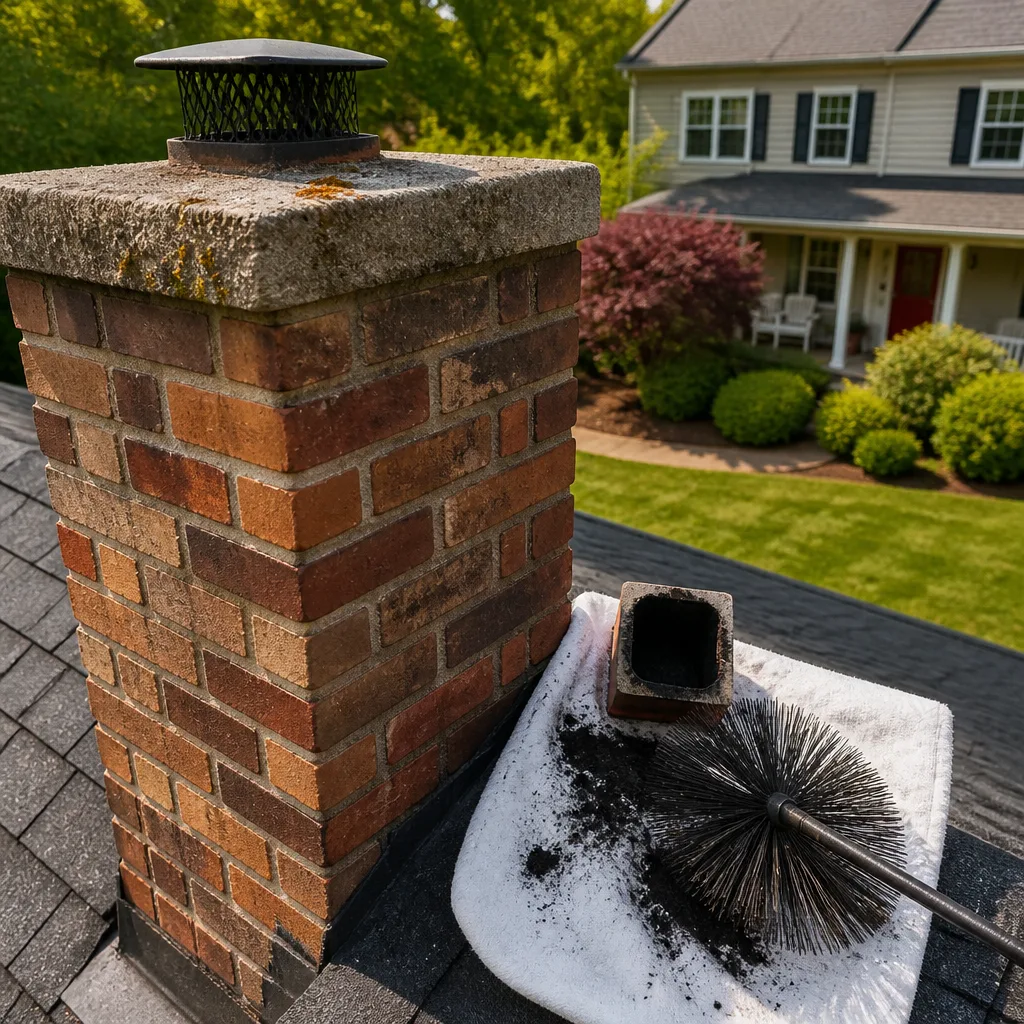 Sweep & inspection
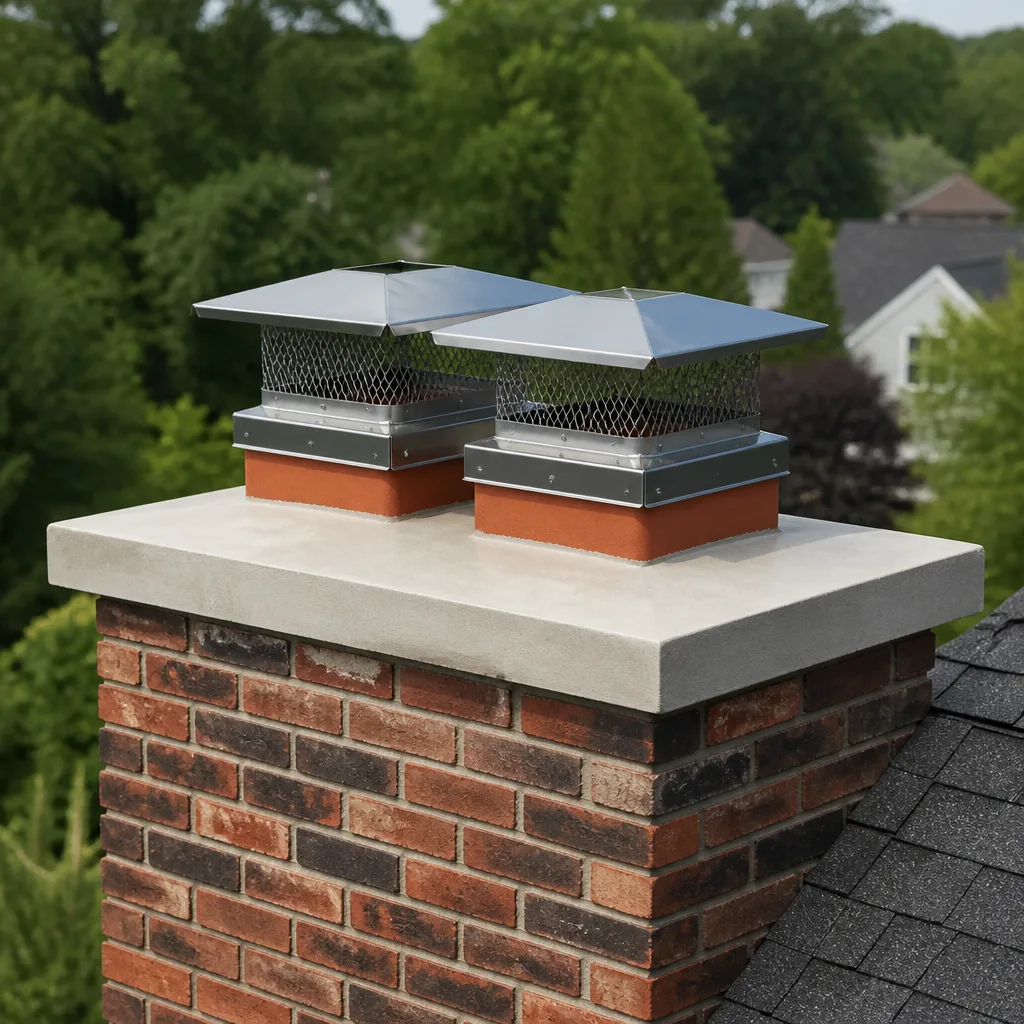 Caps & crowns
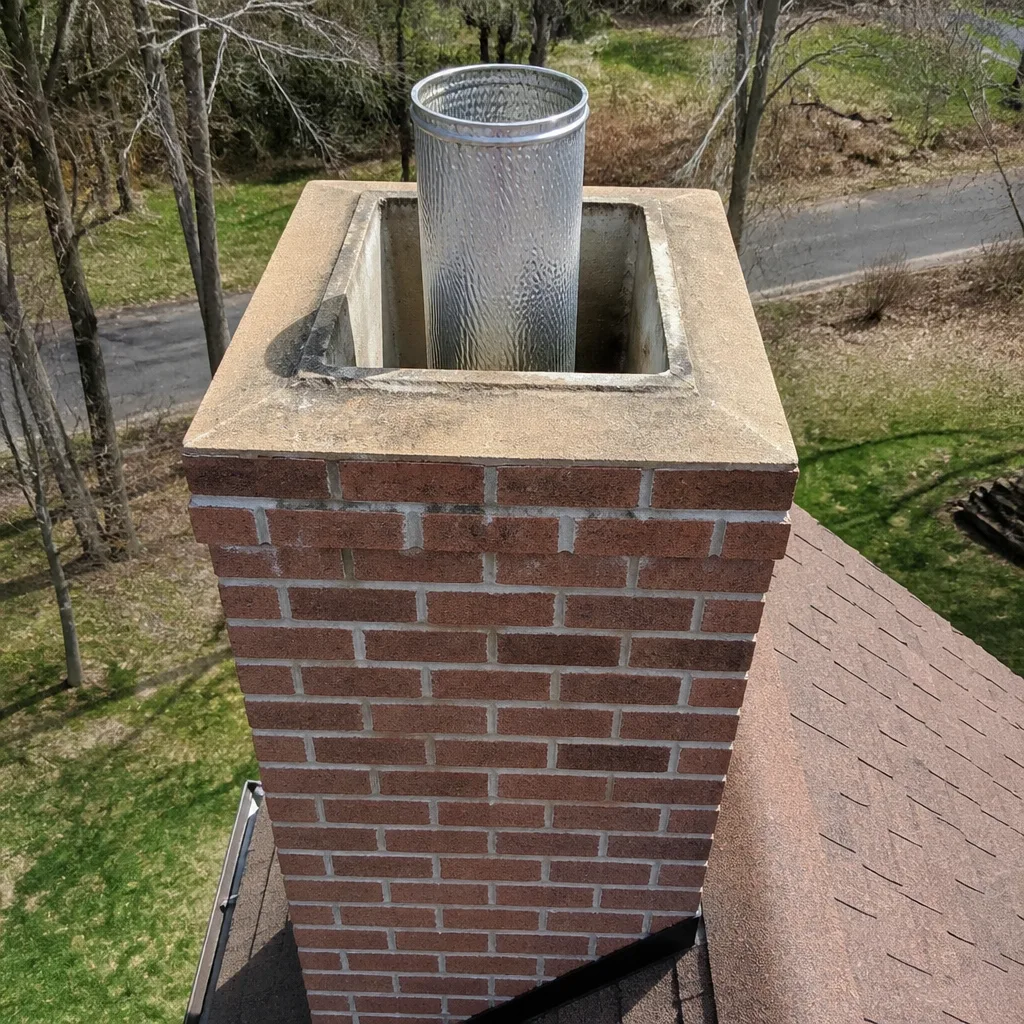 Flue relining
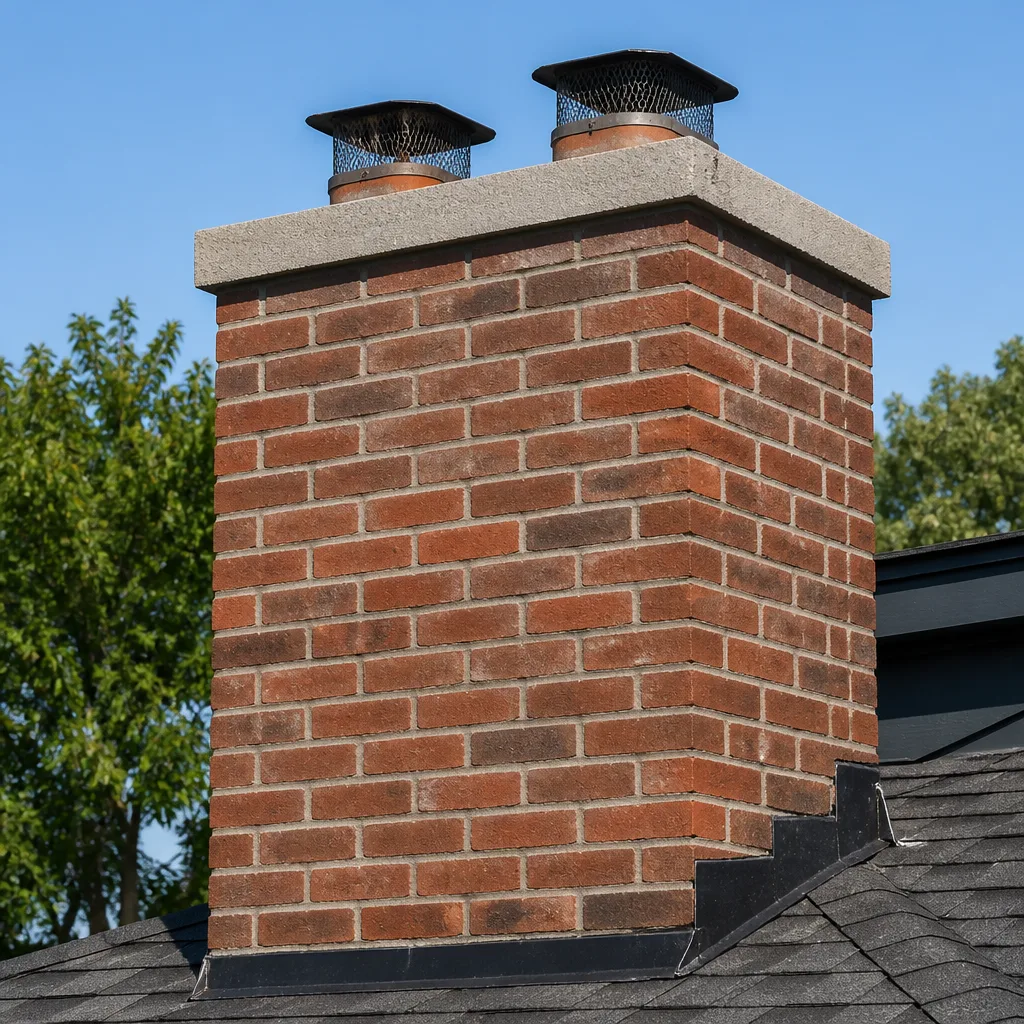 Masonry repair
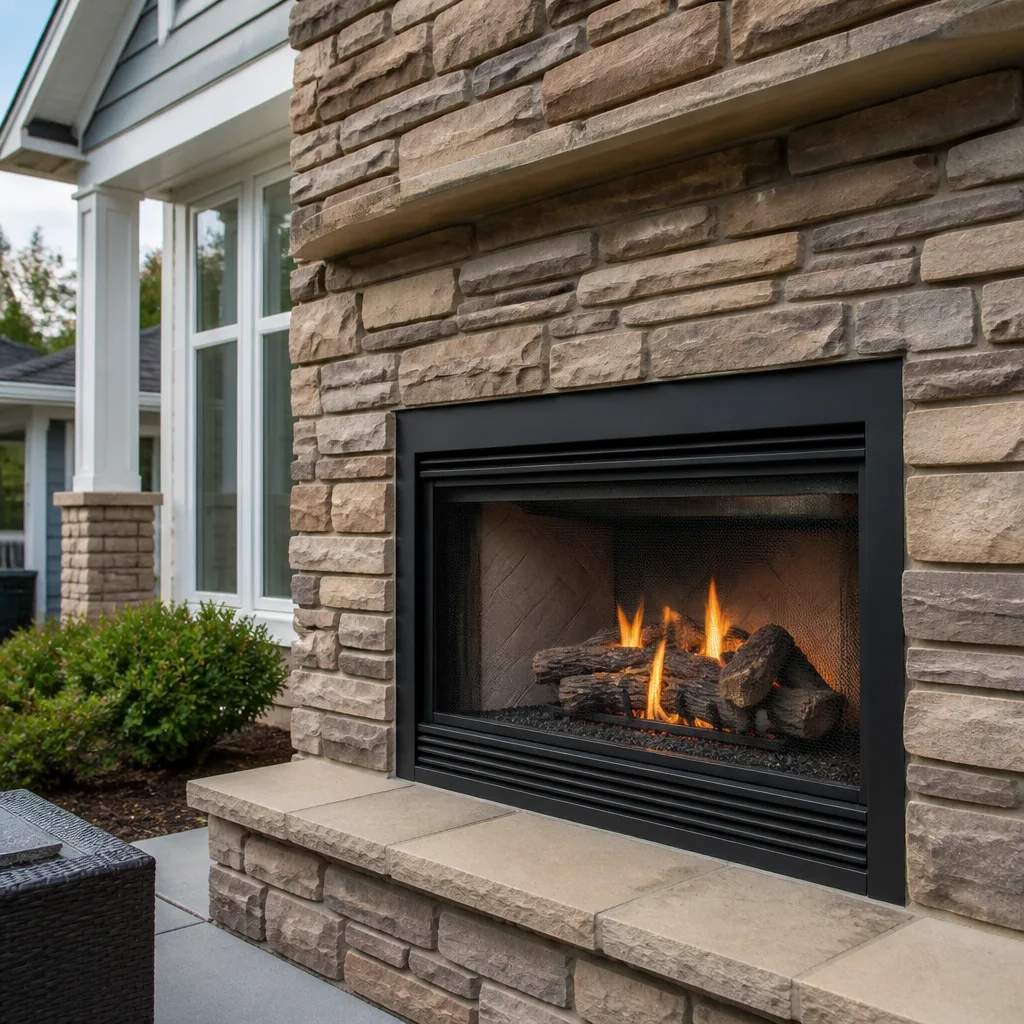 Gas fireplace service
Level 1 sweep and inspection to the NFPA 211 annual standard - flue, crown, cap, and flashing checked and photographed
Chimney sweep logs do not sweep chimneys. They loosen some creosote - which then falls where a brush and vacuum still have to collect it.
The Complete Guide to Chimney Cleaning in Cherry Creek
Most chimney advice you’ll find online was written for a house at sea level, in humid air, burning softwood. None of that describes Cherry Creek. At 5,280 feet, wood burns hotter and faster than it does at lower elevations, and that changes how much creosote your flue collects and how quickly. Add Colorado’s dry air and the freeze-thaw cycle that works on brick and mortar every winter, and you get chimney conditions that generic cleaning schedules simply don’t account for. This guide walks the full system from the firebox floor to the crown cap, explains what each layer needs, and shows you how to tell which part of your chimney is likely to fail first. We’ll cover the five zones of a chimney, why gas-insert owners still need annual cleaning, what a Level 2 inspection actually includes, and how to spot glazed creosote before you book a sweep in Cherry Creek.
Quick Answer
A chimney cleaning in Cherry Creek removes creosote, soot, and debris from the flue and firebox, and it should be paired with an inspection of the full system – firebox, smoke chamber, liner, crown, and cap. Most wood-burning fireplaces need cleaning once a year or after roughly a cord of wood, but at Cherry Creek’s altitude the creosote load can build faster than national guidelines assume. A proper visit inspects all five zones, not just the flue.
Styles & brands we work with
- Sweep & inspection
- Caps & crowns
- Flue relining
- Masonry repair
- Gas fireplace service
Table of Contents
- Why Altitude Changes How Your Cherry Creek Chimney Burns
- The Five Zones of a Chimney System
- Low Humidity, Mortar Joints, and Cleaning Intervals
- Gas-Insert Homes Still Need Annual Sweeps
- What a Level 2 Inspection Covers
- Standard Sweep vs. Glazed Creosote Removal
- What Chimney Cleaning Costs in Cherry Creek
- Common Mistakes to Avoid
Why Altitude Changes How Your Cherry Creek Chimney Burns
Fire needs oxygen, and at 5,280 feet the air is thinner. A fireplace in Cherry Creek draws less oxygen per cubic foot than the same fireplace at sea level, so wood tends to burn faster and hotter once it’s going, then cool more abruptly when the draft shifts. That pattern matters for creosote. Cooler, smoldering burns – the kind you get when a fire struggles for oxygen or when damp wood is loaded in – produce far more creosote than a hot, clean burn. The result is that a Cherry Creek fireplace can swing between hot, fast burns and sluggish, smoky ones in the same evening.
What that means practically:
- Creosote can accumulate faster than the “once a year” rule assumes, especially if you burn frequently through the winter.
- The type of creosote matters as much as the amount – sticky, glazed deposits are harder to remove than fluffy soot.
- Draft behavior changes with the season; a chimney that drafts well in October may behave differently in January.
- Well-seasoned wood and hot fires reduce creosote more than any additive or log you can buy.
We’ve seen plenty of Cherry Creek chimneys that looked clean from the firebox but held a real creosote load up the flue. That’s why our chimney sweep always includes a look at the full system rather than just the visible firebox. If you burn wood regularly, plan your cleaning around how much you actually burn, not the calendar alone. A household that goes through several cords a season will need attention sooner than one that lights a fire a few times a month.
The Five Zones of a Chimney System
People talk about “the chimney” as if it’s one thing. It isn’t. A chimney is a stack of connected components, and each one fails differently and needs different care. Understanding the five zones helps you ask better questions and understand what a technician is actually inspecting.
- Firebox – where the fire sits. Cleaning means removing ash and soot; inspection means checking the firebrick and mortar for cracks that let heat escape into the structure.
- Smoke chamber – the sloped area above the firebox that funnels smoke into the flue. It collects creosote and is often missed by a quick sweep. Cleaning here takes specific tools and technique.
- Flue liner – the passage smoke travels through. Cleaning removes creosote from the liner walls; inspection checks for cracks, gaps, and deterioration that compromise safety.
- Crown – the concrete top that sheds water away from the masonry. Cleaning doesn’t touch it, but inspection does – a cracked crown lets water into the structure.
- Cap – the cover over the flue opening. It keeps rain, animals, and debris out. A missing or damaged cap is one of the most common entry points for water.
When we talk about your chimney system – not just the flue – this is what we mean. A cleaning that only touches zones one and three leaves the smoke chamber, crown, and cap unexamined. Our chimney cap & crown work exists precisely because those two top zones are where most water damage starts. If you’ve never had the crown and cap looked at, that’s worth a conversation before the next burning season.
Low Humidity, Mortar Joints, and Cleaning Intervals
Colorado’s dry air is easy on wood framing and hard on masonry. Mortar is porous, and it expands and contracts with moisture and temperature. In a humid climate, mortar stays somewhat stable because it holds a steady moisture level. In Cherry Creek’s dry air, mortar dries out, and then the freeze-thaw cycle does its work: moisture that gets into a joint freezes overnight and expands, then thaws during the day and contracts. Repeat that across a winter and hairline cracks open up.
That process changes how you should think about cleaning intervals versus repair priority. A sweep removes creosote. It does not repair a crumbling mortar joint or a cracked crown. So the question isn’t only “when was this last cleaned?” but “what condition is the masonry in?”
- Cleaning priority: creosote buildup in the flue and smoke chamber. This is a fire-risk issue and comes first.
- Repair priority: cracked mortar joints, a deteriorating crown, or a damaged cap. These let water in, which accelerates everything else.
- Watch list: small hairline cracks that aren’t yet a problem but should be checked each year.
In our experience, Cherry Creek homeowners often focus on the flue and forget the masonry around it. A chimney can be spotless inside and still be taking on water through a failing crown. That’s why we inspect before we recommend – inspection first, recommendations second. If the masonry is sound and the creosote is light, we say so and you can wait. If a crown needs attention, you’ll see the photo evidence yourself before any work is booked. When the liner itself is deteriorating, HeatShield resurfacing can restore it in many cases without a full replacement, which is worth asking about specifically.
Gas-Insert Homes Still Need Annual Sweeps
A gas insert doesn’t burn wood, so it doesn’t produce creosote the way a wood fireplace does. That leads a lot of Cherry Creek homeowners to skip annual service. We’d push back on that. Gas systems still produce moisture, and that moisture travels up a flue that was often built for wood. Over time, that can contribute to liner deterioration and corrosion. A gas insert also has its own components – burners, logs, connections – that need checking for safe operation.
Here’s where the creosote profile differs. A wood-burning system’s main concern is creosote accumulation and glazing. A gas system’s main concerns are:
- Moisture in the flue and any resulting liner damage
- Debris and animal nesting in an unused or lightly used flue
- Blockages that affect venting
- The condition of the insert itself and its connections
So the visit looks different, but the annual habit shouldn’t. Think of it as “before the first fire of the season” – a check that the whole system, gas or wood, is ready for another winter in Cherry Creek. If you’ve converted to gas and haven’t had the flue looked at in a while, an inspection is a sensible starting point. Our technicians have up to 12 years of experience and work on gas and wood systems alike, and we treat the chimney as a complete system rather than a single component.
What a Level 2 Inspection Covers
Chimney inspections come in levels, and most homeowners have only ever had a basic visual check. A Level 2 inspection is more thorough: it covers every accessible part of the chimney and venting system, including areas a basic inspection can’t reach. It’s typically the level you want when something has changed with the system or the house, or when you’re buying or selling a home.
What a Level 2 inspection typically includes:
- A visual check of all accessible interior and exterior components – firebox, smoke chamber, damper, flue, crown, cap, and flashing.
- Access to concealed areas where possible, such as the attic and any crawl spaces that reveal the chimney’s path.
- Video scanning of the flue where needed, so the liner’s condition is documented rather than guessed at.
- A written report of findings, so you have a record of the system’s condition.
When should a Cherry Creek homeowner specifically request one? We’d suggest it after any chimney fire, after a lightning strike or earthquake, when you’ve changed fuel type, after a long period of no use, and when you’re buying or selling a home. A standard sweep won’t cover a video scan of the flue or document the full system. Our inspection is available as a standalone service, so you can get an honest assessment before committing to any repair. The report is yours to keep, and the findings are based on camera evidence you can see for yourself.
Standard Sweep vs. Glazed Creosote Removal
Not all creosote is the same, and the difference determines what kind of visit you need. There are three general degrees:
- First degree: light, flaky soot that brushes away easily. A standard sweep handles this.
- Second degree: a crusty, flaky deposit that takes more work but still comes off with the right tools.
- Third degree: glazed creosote – a hard, shiny, tar-like layer baked onto the flue walls. Brushing alone won’t remove it.
Third-degree creosote is the one to watch for. It’s the most combustible form, and it’s also the most stubborn. Removing it usually requires chemical treatment to soften the glaze before mechanical removal, which is a different job than a routine sweep. Left in place, it reduces the flue’s clearance and increases fire risk. We’ve seen glazed deposits in Cherry Creek chimneys that a homeowner assumed were just soot.
How can you tell which you need before booking? You can’t always – that’s what an inspection is for. But these signs suggest glazed creosote:
- A shiny, black, or tar-like appearance inside the flue if you can see up it
- A strong, acrid smell even when the fireplace is cold
- Difficulty getting a fire to draw, or smoke rolling back into the room
- Heavy use of damp or unseasoned wood
The honest answer is that the technician needs to look before deciding. When we sweep, the price is set per job by the written estimate, and the level of creosote determines the work involved. We’d rather tell you a standard sweep is enough than sell you a heavier job you don’t need.
What Chimney Cleaning Costs in Cherry Creek
Chimney cleaning is priced per job, and the written estimate sets the final price. What drives the estimate is the condition of the system – how much creosote is present, whether it’s glazed, how accessible the flue is, and whether the visit includes cleaning only or cleaning plus inspection. A routine sweep on a clean-burning, well-maintained fireplace is straightforward work. A heavily loaded flue with glazed creosote takes more time, more tools, and chemical treatment.
Here’s how to think about the variables that move the estimate:
- Creosote level: light soot vs. glazed third-degree deposits
- System access: roof access, flue configuration, and whether dampers or inserts complicate the sweep
- Scope: cleaning alone, or cleaning plus inspection
- Repair findings: a cracked crown, damaged cap, or liner issue discovered during the visit
Because prices are set per job by the written estimate, we don’t quote over the phone without seeing the system. When we visit, we agree on the price before booking the work, and that price doesn’t change after we start. That written agreement is what makes the estimate trustworthy – you know what you’re paying for before anyone climbs on the roof. If inspection turns up a problem, you get the photo evidence and a clear recommendation, and you decide. Nothing is recommended without camera evidence you can see for yourself, and we’ll tell you plainly when work can safely wait.
If your system needs attention beyond cleaning, our fireplace repair team handles the firebox and interior components, while structural and liner work covers the rest. One specialist for every layer means you’re not coordinating three contractors for one chimney.
Common Mistakes to Avoid
- Assuming a “clean firebox” means a clean flue. Soot you can see near the fire is only part of the picture. The creosote that matters most sits higher up the flue and in the smoke chamber, so a spotless firebox says little about fire risk.
- Skipping the inspection because the sweep looked fine. Cleaning and inspection are different jobs. A sweep removes creosote; an inspection checks the crown, cap, and liner for damage that a brush won’t detect. In Cherry Creek’s freeze-thaw cycle, that damage is often invisible from below.
- Burning unseasoned wood to save time. Damp wood produces more smoke and more creosote, especially at altitude where a fire struggles for oxygen. It also coats the flue faster than you’d expect, so you end up cleaning more often.
- Ignoring a missing or damaged cap. The cap is your first defense against water, animals, and debris. A cap that’s been blown loose or rusted through lets rain straight into the flue, and that water works on the liner and masonry all winter.
- Putting off a crown repair until next year. A hairline crack in the crown becomes a bigger problem once freeze-thaw cycles find it. Addressing it early is usually simpler than rebuilding it later, and it protects the structure below.
- Relying on a general contractor for chimney work. A handyman or HVAC company that treats the chimney as an add-on won’t necessarily catch liner and masonry issues. Chimney work is its own trade with its own materials and inspection standards, and it’s worth using a dedicated specialist.
- Waiting until the first cold snap to book. Scheduling before burning season means you’re not competing for a slot when everyone else remembers their chimney at once. Book in the shoulder season and you’ll have your answer before you need the fireplace.
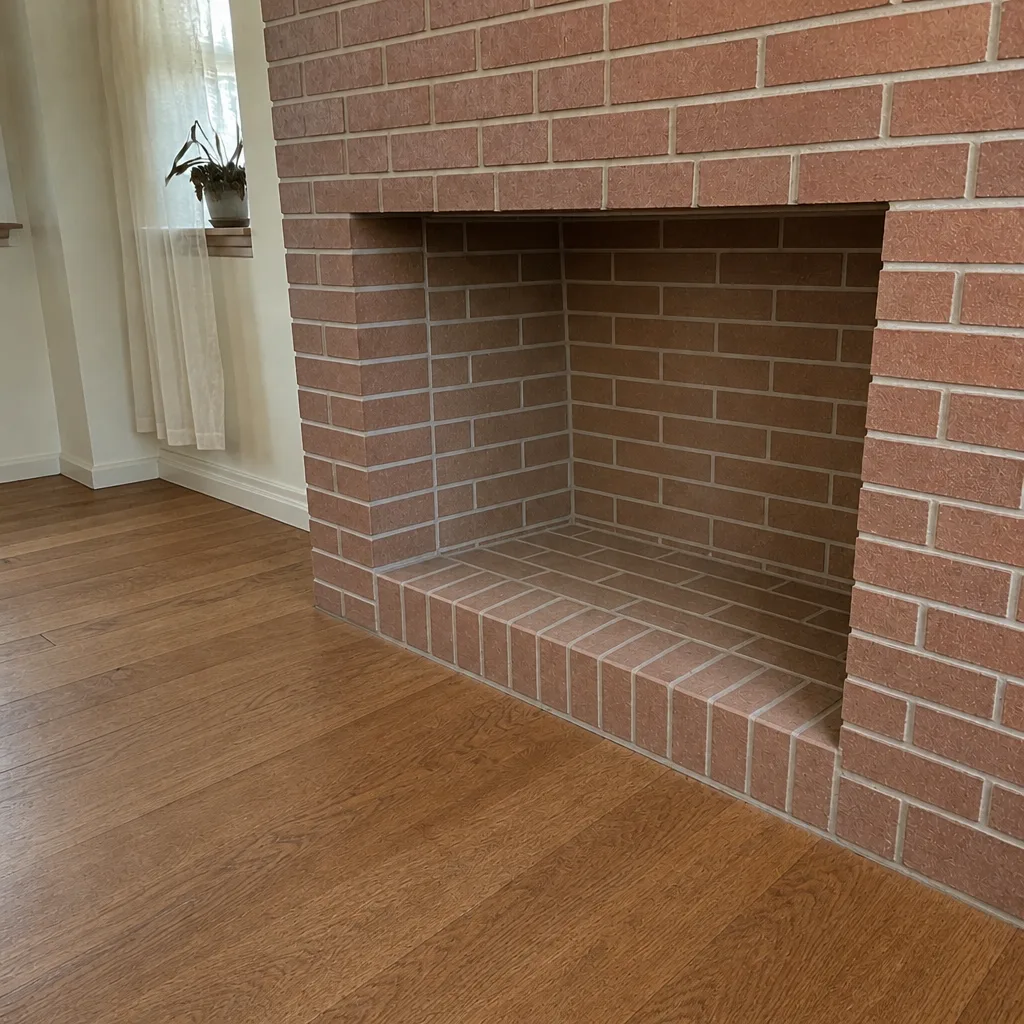
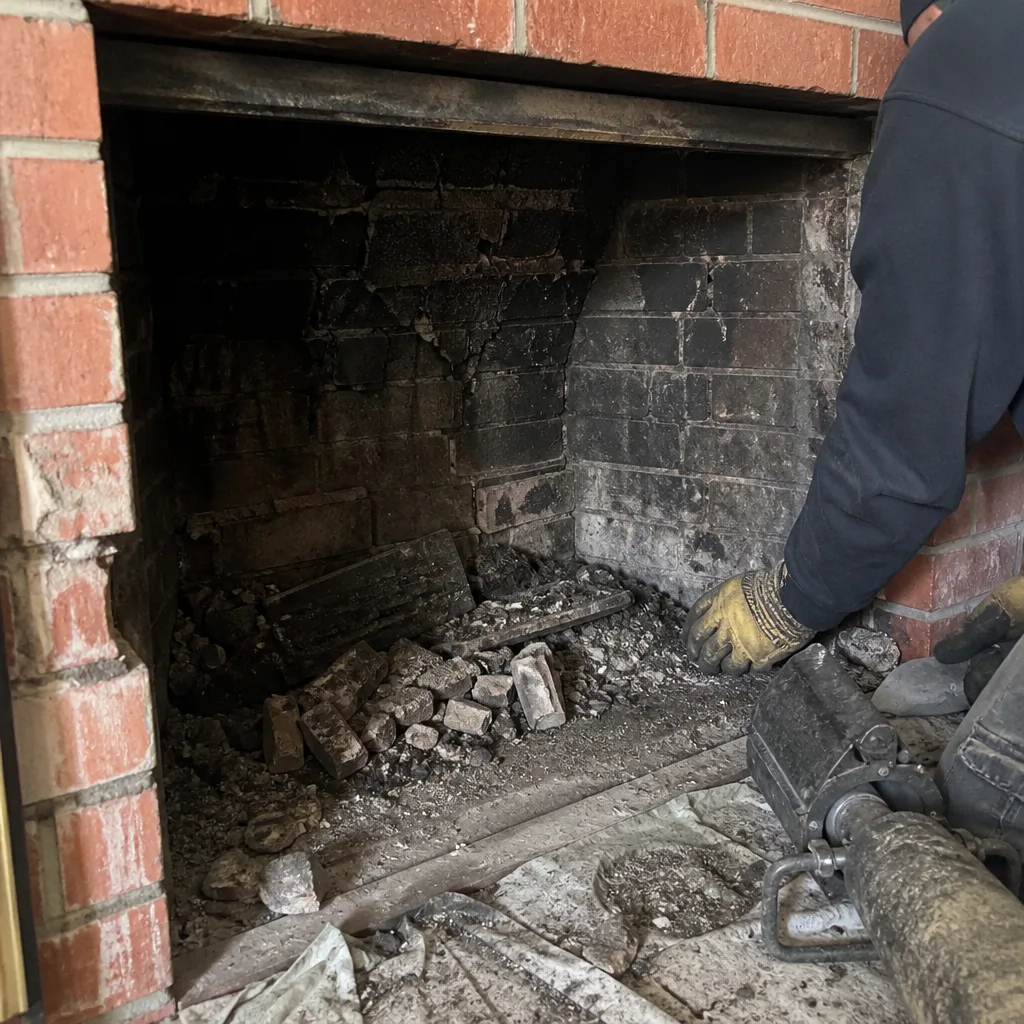
See the difference
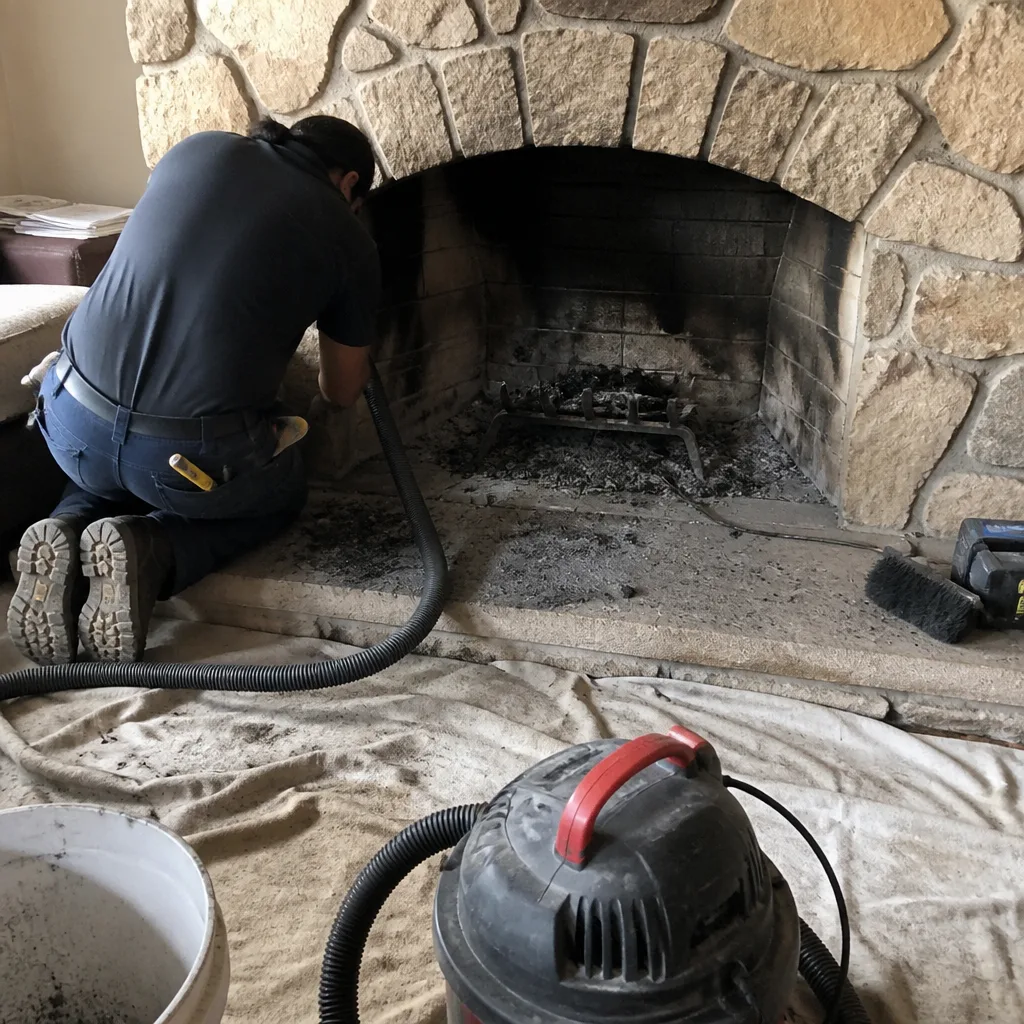 Before
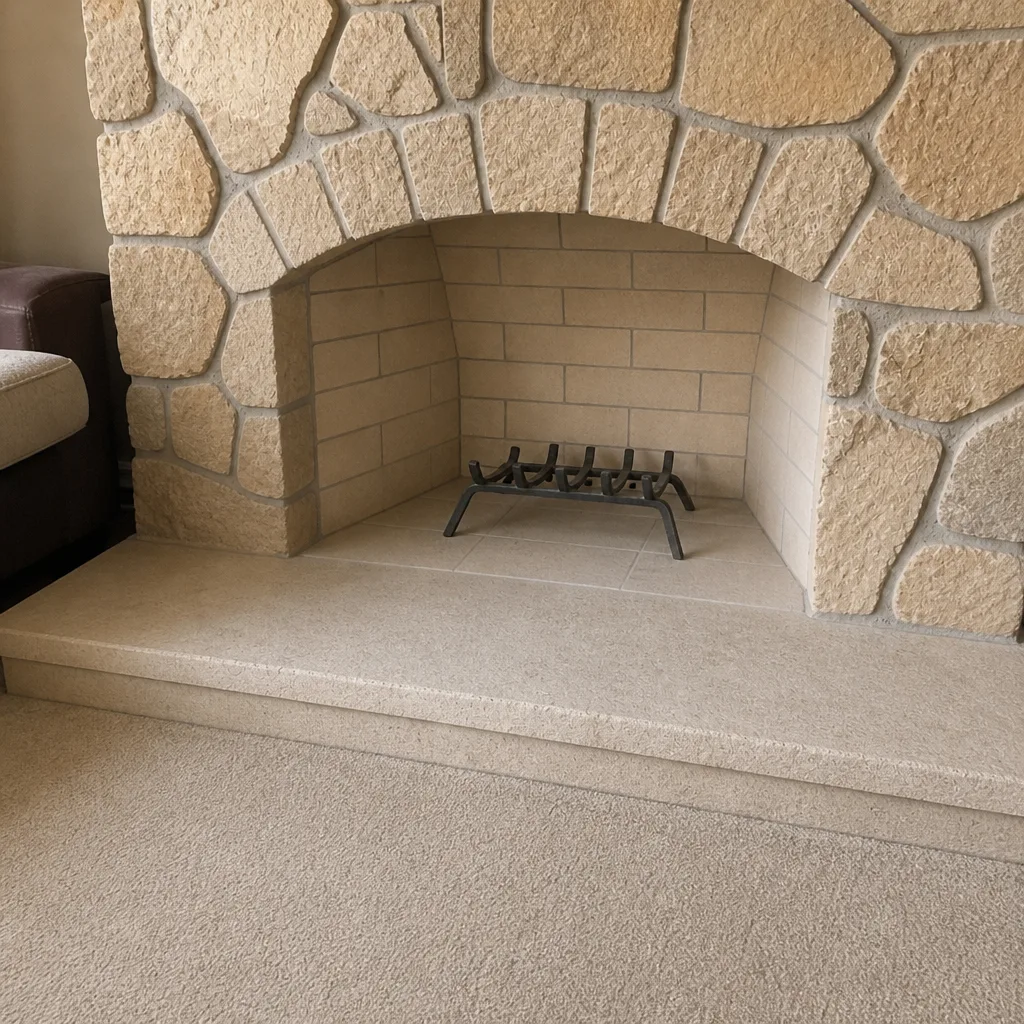 After
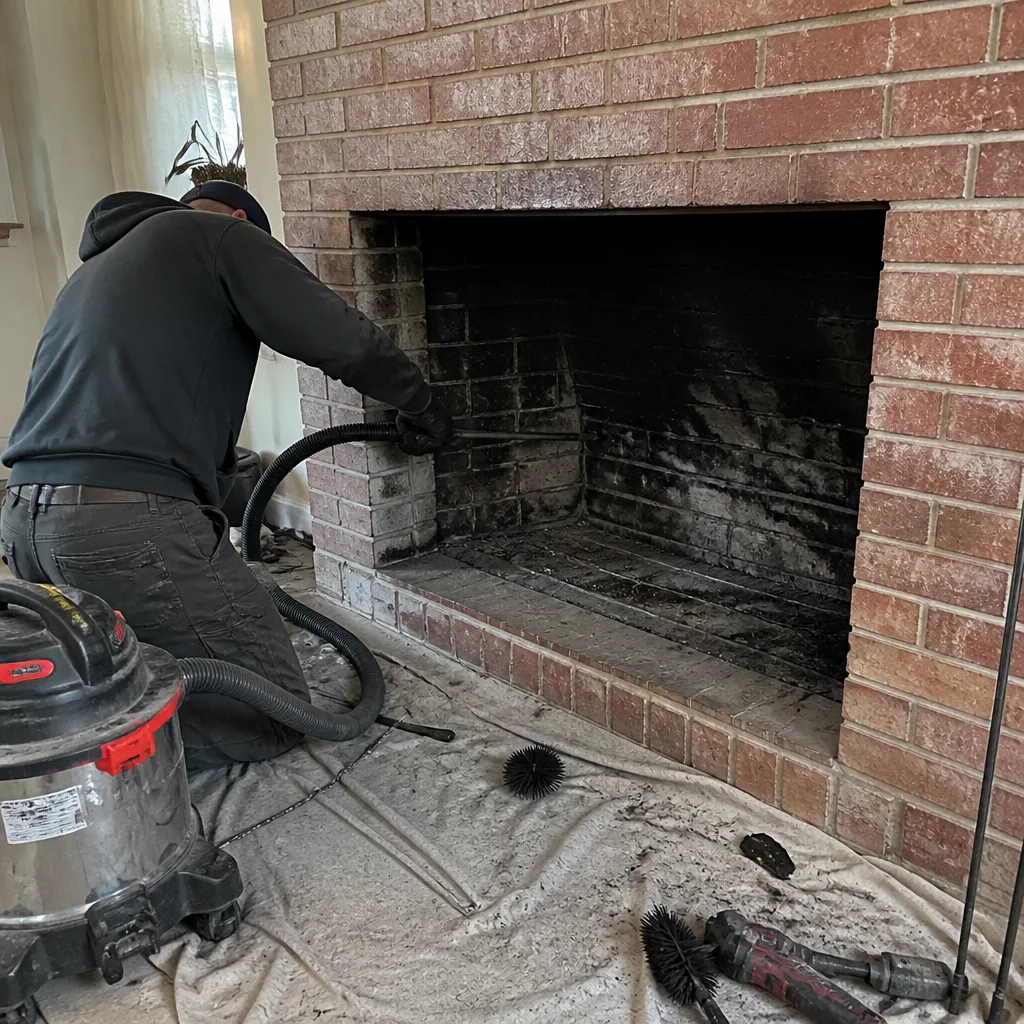 Before
 After
 Before
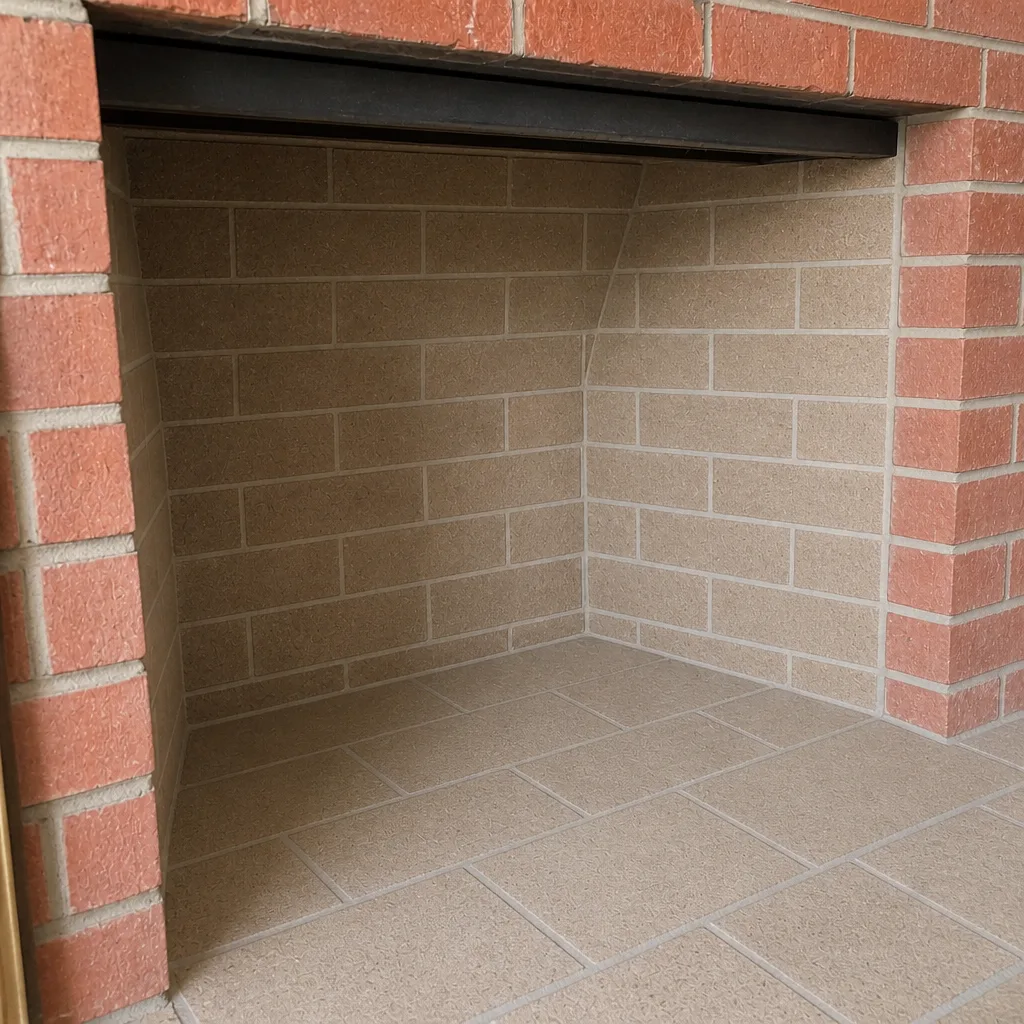 After
When to Call a Professional
Some chimney issues you can safely watch. Others need a trained eye. Call a professional if you smell a strong acrid odor when the fireplace is cold, if smoke rolls back into the room when you light a fire, if you’ve had a chimney fire (even a small one), if you notice cracked or missing mortar around the firebox or above the roofline, or if it’s been more than a year since the last cleaning. If you’ve just bought a home in Cherry Creek and have no service history, an inspection is the right first step. And if you burn wood regularly, treat the annual cleaning as part of your winter prep, not a repair you’ll get to eventually.
Chimney Sweep Cherry Creek offers free estimates in Cherry Creek. Our technicians have up to 12 years of experience, and inspection is available as a standalone service. Call (866) 937-8043. We answer 24/7. Fast dispatch from 7am to 7pm, Sunday through Friday.
Frequently Asked Questions
Chimney cleaning in Cherry Creek is priced per job, and the written estimate sets the final price. The estimate depends on creosote level, system access, and whether the visit includes an inspection. Call (866) 937-8043 for an exact quote – estimates are free.
For a regularly used wood-burning fireplace, once a year is the baseline, and more often if you burn heavily. At Cherry Creek’s altitude, thinner air can make burns less efficient, which can speed creosote buildup. If you burn several cords a season, plan on a cleaning sooner. Call (866) 937-8043 to book before the first fire of the season.
Yes. Gas inserts don’t produce wood creosote, but they do produce moisture that can affect the flue and liner, and their own components need checking for safe operation. An annual visit keeps the whole system in view. Call (866) 937-8043 to schedule.
A sweep removes creosote and soot from the firebox, smoke chamber, and flue. A Level 2 inspection goes further, covering all accessible components, including the crown, cap, and liner, and typically includes video scanning of the flue where needed. If you’re buying a home, changing fuel type, or have had a chimney fire, request a Level 2. Call (866) 937-8043 with questions.
Glazed creosote looks shiny, black, and tar-like on the flue walls, and it can give off a strong acrid smell even when the fireplace is cold. Brushing alone won’t remove it, so the technician needs to inspect before deciding on the approach. Call (866) 937-8043 to book an inspection.
Yes, in a specific way. Dry air lets mortar dry out, and then the freeze-thaw cycle opens hairline cracks in masonry and crowns over time. Water finds those cracks and does the real damage. That’s why the crown and cap matter as much as the flue in Cherry Creek. Call (866) 937-8043 for a free estimate on inspection or repairs.
The Bottom Line
Cleaning a chimney in Cherry Creek isn’t just about brushing a flue. It’s about understanding five connected zones, recognizing that altitude and dry air change how your system ages, and knowing that a clean flue can still be taking on water through a tired crown or a missing cap. Get the cleaning done before burning season, inspect all five zones rather than just the firebox, and treat the masonry with the same attention as the creosote. If you’re not sure where to start, an inspection gives you the answer without pressure. Our Chimney Sweep Cherry Creek team handles sweeping, inspection, repair, and cap and crown work as one specialist, so every layer gets looked at. Call (866) 937-8043 for a free estimate. We answer 24/7. Fast dispatch from 7am to 7pm, Sunday through Friday. We’re closed Saturday.
Written by the team at Chimney Sweep Cherry Creek.