
Last updated November 24, 2026
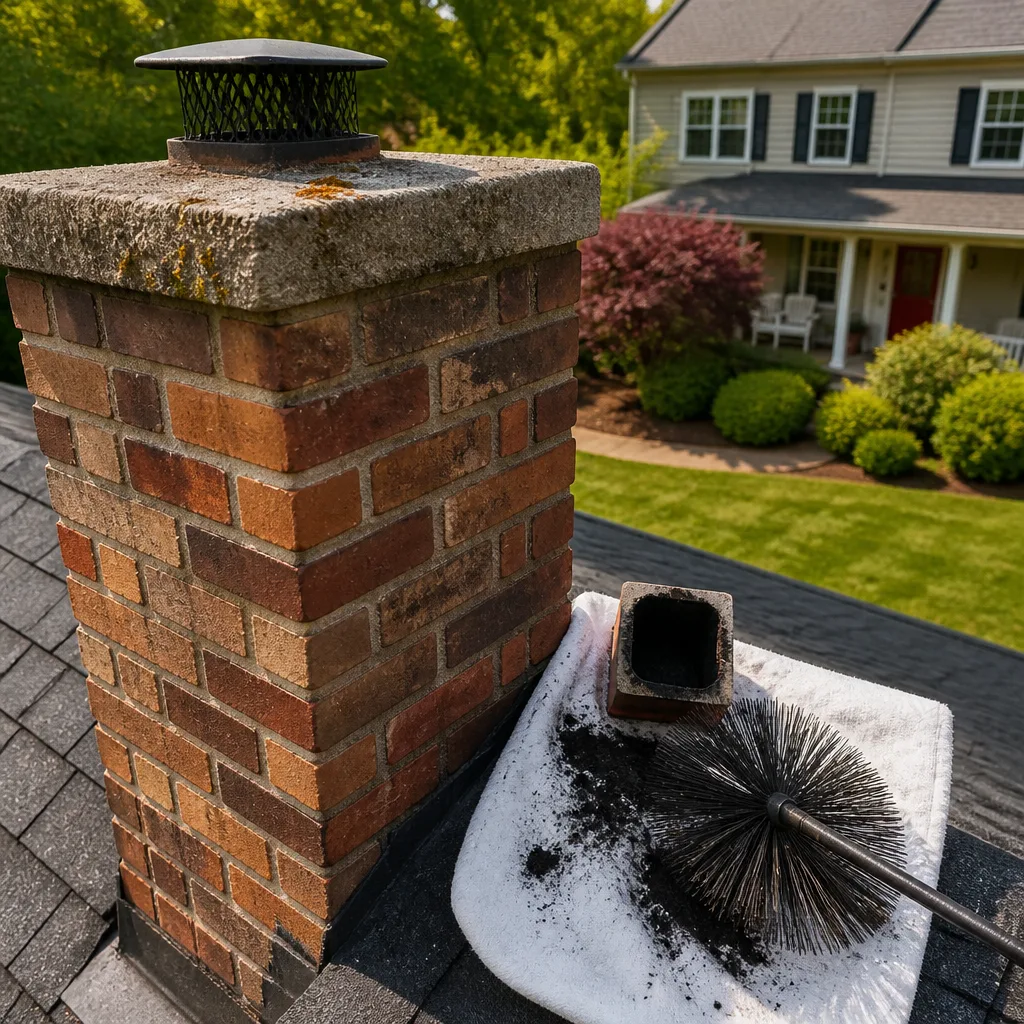 Sweep & inspection
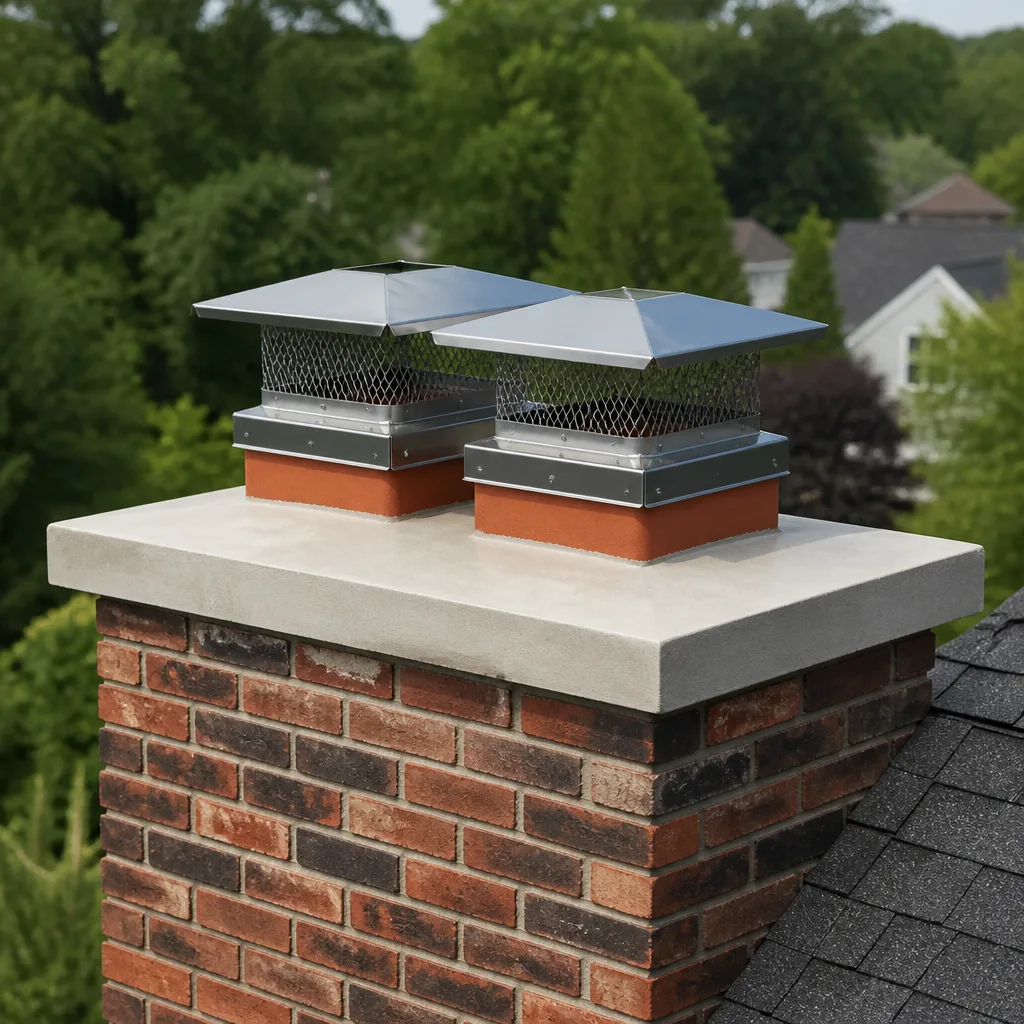 Caps & crowns
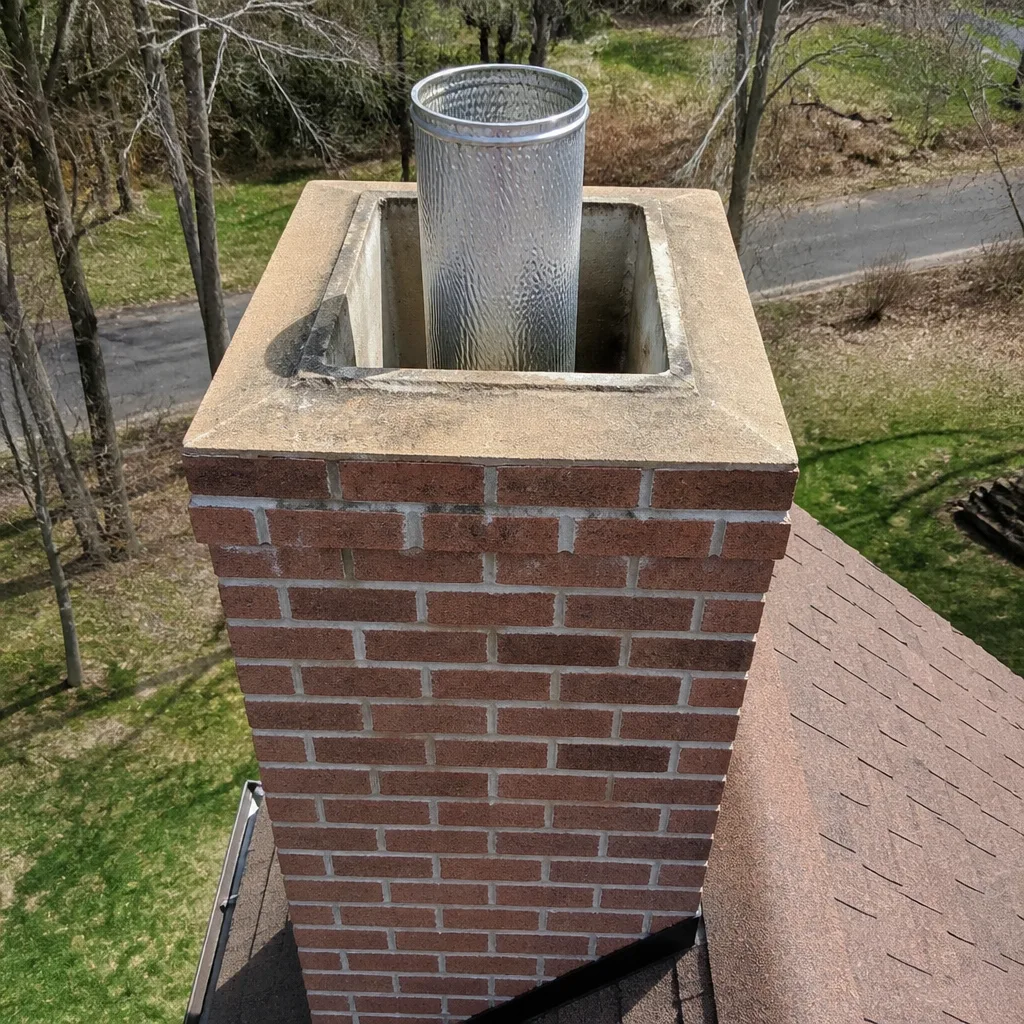 Flue relining
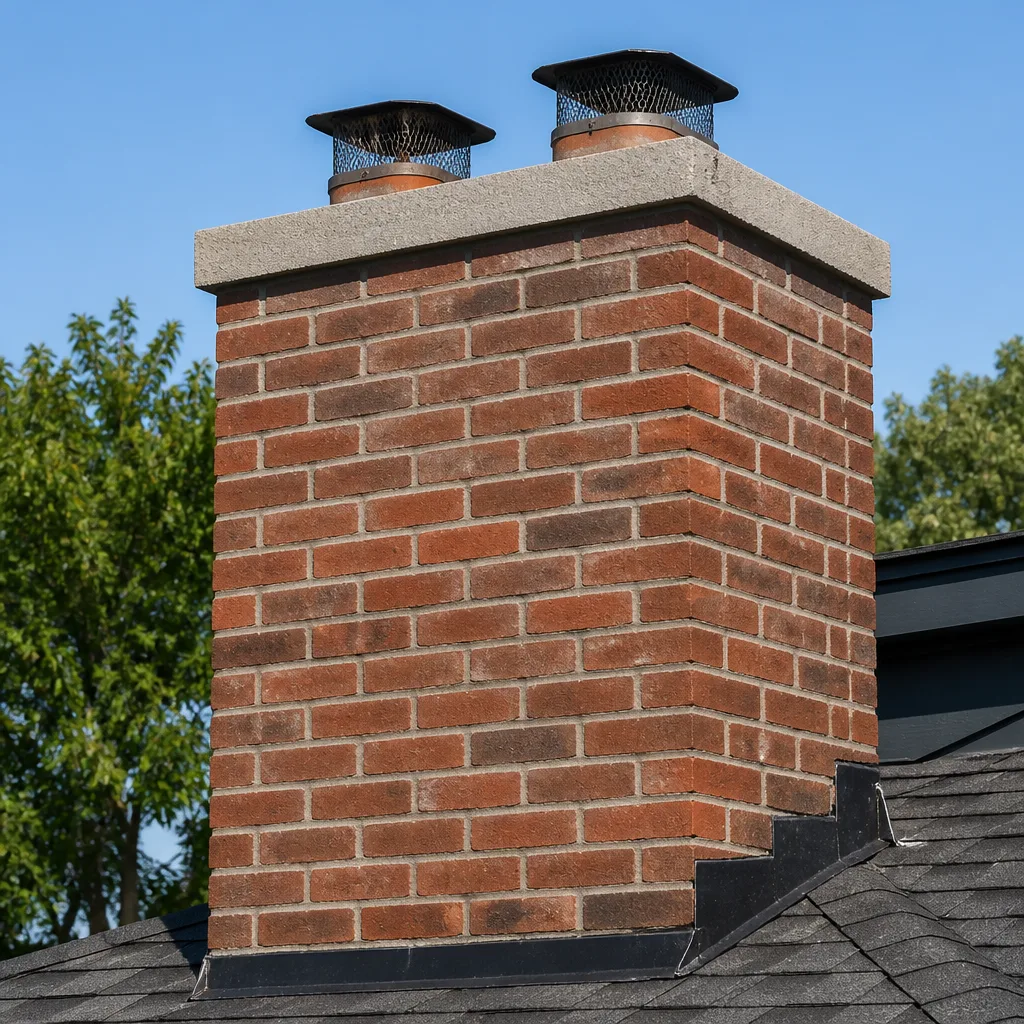 Masonry repair
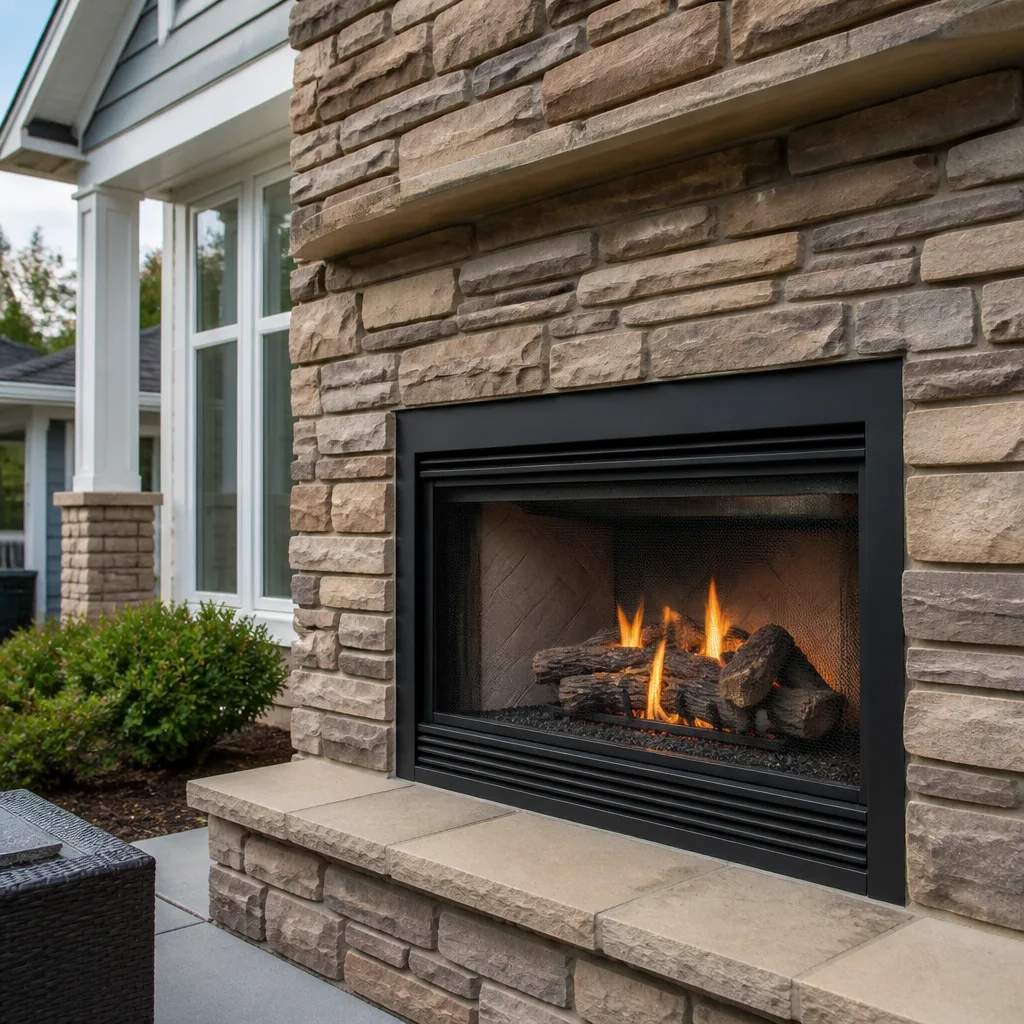 Gas fireplace service
Level 1 sweep and inspection to the NFPA 211 annual standard - flue, crown, cap, and flashing checked and photographed
Chimney sweep logs do not sweep chimneys. They loosen some creosote - which then falls where a brush and vacuum still have to collect it.
Seasonal Chimney Cleaning Care for Cherry Creek: Year-Round Homeowner’s Guide
Most homeowners treat the chimney like the furnace: something you think about only when it stops working. That habit is why the same problems show up in the same months every year. Cherry Creek’s four seasons don’t hit a chimney equally. Summer heat and monsoon moisture soften mortar. Fall brings the first cold snap and the first fire. Winter freezes whatever water got in. Spring leaves acidic creosote sitting on the liner for months. Each quarter does its own kind of damage, and each quarter has a task that prevents it. This guide assigns the right job to the right season so nothing piles up into a repair you didn’t see coming. We’ll walk through what to check, what to book, and how to keep the calendar from slipping.
Styles & brands we work with
- Sweep & inspection
- Caps & crowns
- Flue relining
- Masonry repair
- Gas fireplace service
Quick Answer
Seasonal chimney care in Cherry Creek means four distinct tasks across the year: a pre-season sweep and inspection in September or October before the first fire, mid-season flue and cap checks through winter, a post-season cleaning and Level 2 inspection in spring, and exterior masonry, cap and crown work in summer while freeze-thaw is paused. Sweeping once a year is the floor, not the whole plan. The season you schedule each task in determines whether a small issue stays small.
Table of Contents
- Why Seasonal Care Beats a Single Annual Sweep
- Fall (September-October): The Pre-Season Sweep Before the First Fire
- Winter (November-February): Mid-Season Checks and Carbon Monoxide Awareness
- Spring (March-May): Post-Season Cleaning and the Level 2 Inspection Window
- Summer (June-August): Hail, UV, and the Masonry Repair Window
- How to Track Seasonal Chimney Tasks in Cherry Creek
- Your Chimney System, Not Just the Flue
- Common Mistakes to Avoid
- When to Call a Professional
- Frequently Asked Questions
- The Bottom Line
Why Seasonal Care Beats a Single Annual Sweep
A chimney is an outdoor structure attached to your house. It takes weather on all four sides, all year, whether or not you light a fire. That’s the part most homeowners miss. The flue is only one layer of a system that includes the firebox, the damper, the smoke chamber, the liner, the crown, the cap, the flashing, and the masonry chase. Each of those layers fails on its own timeline, and the timeline follows the seasons.
Here’s the practical difference. A single annual sweep removes creosote from the flue but tells you nothing about the crown that cracked over the summer. A seasonal plan catches the crown crack in October, before freeze-thaw widens it through the winter. It catches the acidic creosote in April, before it sits on a liner through the heat of July. It catches the hail-damaged cap in June, before the first fall rain finds the gap.
Cherry Creek sits at the edge of the Denver metro where the climate does a specific thing to masonry: warm days, cold nights, and repeated freeze-thaw cycles through late fall and early spring. Water gets into a hairline crack during the day, freezes at night, expands, and widens the crack. Repeat that a few dozen times and a crack you could barely see in September becomes a repair in March. Seasonal care is really about timing your work to interrupt that cycle.
There’s a second reason the calendar matters. Chimney work is seasonal for the trade too. Fall is when everyone calls, because fall is when everyone thinks about the fireplace. Booking your pre-season sweep early and your masonry work in summer keeps you out of the busiest window and gets the job done when conditions actually favor it.
Fall (September-October): The Pre-Season Sweep Before the First Fire
The single most useful thing you can do for your chimney in Cherry Creek is to have it swept and inspected before the first fire of the season. Book it in September or early October. By the time the first cold snap arrives, the work is done and you’re not deciding whether to burn on a flue you haven’t looked at since last spring.
What happened over the summer matters here. Warm months and monsoon moisture work on the exterior of the chimney. Mortar joints soften. The crown, which is the concrete cap at the very top of the chimney, can develop hairline cracks from sun and thermal movement. Flashing, the metal that seals the chimney where it meets the roof, can pull loose. None of that is visible from the living room. A fall inspection catches it before winter drives water in and freezes it.
Sweeping at this point does two things. It removes whatever creosote built up during the previous burning season, so you start the new season with a clean flue. And it gives the technician a clear look at the liner, which is where the real safety question lives. A professional chimney sweep includes a visual check of the firebox, damper, smoke chamber and flue as part of the visit.
What to do in fall, in order:
- Book the sweep and inspection in September, before the first fire.
- Have the technician check the crown, cap and flashing from the roof while they’re up there.
- Ask for a clear report on the liner condition, not just “you’re good to go.”
- Clear the firebox of last season’s ash and check the damper opens and closes smoothly.
- Confirm your carbon monoxide detectors are working before you light the first fire.
If your system is wood-burning and you burn regularly, this is the visit that sets up the whole year. If it’s gas, fall is still the right time to have the venting checked and the firebox inspected, because gas fireplaces have their own failure points and they don’t announce themselves.
Winter (November-February): Mid-Season Checks and Carbon Monoxide Awareness
Winter is when the chimney is working hardest and when a problem that started in fall becomes a problem you can’t ignore. Mid-season, you’re not scheduling a full service. You’re paying attention to how the system is behaving and knowing the signs that mean stop burning and call.
Ice damming at the crown is one of the winter issues specific to this climate. Snow melts on the warm chimney and refreezes at the top, and that ice can work its way into cracks in the crown or behind the cap. If you see ice building at the top of the chimney or water staining on the ceiling near the chase, that’s a sign to have it looked at rather than waited out.
A blocked flue is the other winter risk. Birds, squirrels and debris can nest in an open flue during the off-season, and a cap that came loose lets them in. Before you light a fire, do a simple check: open the damper, look up the flue with a flashlight, and confirm you can see daylight at the top. If you can’t, don’t light the fire. Smoke backing into the room is the other sign, and it means the flue isn’t drafting the way it should.
Carbon monoxide deserves a direct word here. Cherry Creek homes tend to be well-sealed, which is good for heating bills and less good for indoor air. A chimney that isn’t drafting properly can let combustion gases into the living space instead of up and out. You can’t see or smell carbon monoxide, so the detector is your only warning. Keep working detectors on every level of the home and near the sleeping areas, and test them at the start of the season. If a detector alarms, get everyone outside and call for help before you investigate anything.
What to check mid-season:
- Ice or snow buildup at the crown or around the cap.
- Water staining on the ceiling, walls or chase near the chimney.
- Smoke rolling back into the room when you light a fire.
- Daylight visible up the flue with the damper open.
- A working carbon monoxide detector on every level.
- Any change in how the fire burns, drafts or smells.
If any of those show up, stop burning and book an inspection. A mid-season inspection is a normal, useful visit, not an emergency admission.
Spring (March-May): Post-Season Cleaning and the Level 2 Inspection Window
Spring is the season most homeowners skip, and it’s the one that protects the liner. Through the winter, creosote builds up on the flue walls. Some of it is dry and flaky, some of it is the glazed, tar-like kind that’s harder to remove. Creosote is acidic, and when it sits on a liner through the warm, humid months, it keeps working on the metal or the clay. A spring cleaning removes it before it has all summer to do that.
Spring is also the best time to schedule a Level 2 inspection. A Level 2 inspection is the more thorough look, and it’s the one you want when you’ve been burning all winter or when there’s been a change to the system. It gives you a full picture of the liner, the smoke chamber, the crown and the cap, and it’s the inspection that tells you whether a repair is needed before next fall. Doing it in spring means you have the whole summer to schedule any masonry or liner work at the right time.
Why spring instead of fall for the Level 2? Because in spring the burning season is behind you, the weather is mild, and any repair work you need can be planned and done in the summer window instead of squeezed in before the first cold snap. It also means you’re not learning about a problem in October when you’re trying to light the first fire.
Spring checklist:
- Book the post-season sweep to clear winter creosote.
- Schedule a Level 2 inspection if you burned heavily or haven’t had one recently.
- Ask specifically about the liner, crown and cap condition in the report.
- Plan any needed fireplace repair or masonry work for the summer.
- Note the date and findings so next season’s plan has a baseline.
One useful detail: if the liner has cracked or deteriorated, there are two professional routes. A full relining with a system like DuraFlex flexible liner is one. Liner resurfacing with HeatShield is the other, and it can restore a liner without a full replacement in the right conditions. Which one applies depends on what the inspection finds, and that’s the reason the inspection comes first.
Summer (June-August): Hail, UV, and the Masonry Repair Window
Summer is the season homeowners think least about the chimney, and it’s the season that does the most exterior damage in Cherry Creek. Two things are working on the outside of your chimney from June through August: hail and ultraviolet light. Hail chips the crown, dents or cracks the cap, and can loosen the flashing. UV dries and shrinks the sealant around the chase cover and breaks down the surface of the masonry over time.
Summer is also the right time to fix what those months expose, because it’s the one stretch when freeze-thaw is paused. Masonry repair, crown rebuilding, and cap replacement all want mild, dry weather so the materials cure properly. Do that work in July and it’s set before the first freeze. Do it in November and you’re racing the cold.
The two most common entry points for water are the crown and the cap, which is why they’re worth treating as a specialty rather than an afterthought. A cracked crown lets water into the masonry from the top down. A missing or damaged cap lets water, birds and debris straight into the flue. Professional chimney cap & crown work addresses both, and it’s proactive structural protection, not just a cleaning add-on.
Summer tasks:
- Inspect the crown for cracks, spalling or missing mortar.
- Check the cap for hail damage, loose fasteners or a missing spark screen.
- Look at the flashing where the chimney meets the roof.
- Check the chase cover sealant for shrinkage or gaps.
- Schedule any masonry repair while the weather is dry and mild.
We use trade-grade parts from suppliers like Copperfield and Gelco for caps and crowns, because these components are purpose-built for chimney work and hold up to this climate better than general-purpose substitutes. A cap that fits right and a crown that’s built right are the cheapest long-term protection your chimney has.
How to Track Seasonal Chimney Tasks in Cherry Creek
The reason seasonal care fails for most homeowners isn’t knowledge. It’s that no one writes it down. The fix is a simple calendar framework tied to the weather patterns here, not to a generic annual reminder. Set these four anchors and the rest follows.
- September 1: Book the pre-season sweep and inspection. Aim to have it done before the first fire.
- November 1: Test carbon monoxide detectors and do the first flue check of the season.
- January 15: Mid-season look at the crown and cap for ice buildup and check for water staining.
- March 15: Book the post-season sweep and, if due, the Level 2 inspection.
- June 1: Exterior check of the crown, cap, flashing and chase cover; schedule masonry work for the dry window.
Two things make this framework stick. First, tie each reminder to something you already do: the September booking goes with the first cool week, the January check goes with the first big snow. Second, keep a simple record of what the technician found each visit. A written history of the liner, crown and cap condition is worth more than any single inspection, because it shows change over time. If a crown was fine last summer and has a crack this summer, you know it’s new and you know what caused it.
There’s also a practical note on scheduling. Fall is the busiest window for chimney work, because that’s when everyone remembers the fireplace. Booking your fall sweep in late August or early September, and your masonry work in early summer, keeps you out of the rush and gets the work done when the conditions favor it.
Your Chimney System, Not Just the Flue
It helps to think of the chimney as a system with layers, because each season hits a different layer. The firebox and damper are the inside. The smoke chamber and liner are the middle. The crown, cap, flashing and masonry chase are the outside. A single annual sweep touches the flue and not much else. Seasonal care touches every layer at the right time.
That’s why we handle sweeping, inspection, fireplace repair, chimney repair, and cap and crown installation as one specialist service rather than sending you to coordinate three different contractors. When the fall inspection finds a cracked crown and a worn liner, you’re not making separate calls and hoping the findings line up. One specialist looks at the whole system and tells you what actually needs doing, in what order, and what can safely wait.
Inspection first, recommendations second. That’s the order we work in, and it matters for a specific reason. Chimney repair recommendations are only as good as the evidence behind them. You should be able to see what the technician sees and understand why a repair is being recommended. If a recommendation can’t be backed with a clear look at the problem, it shouldn’t be on the list.
The materials matter too. We work with HeatShield for liner resurfacing and DuraFlex for flexible relining, and we source from established chimney-trade suppliers like Olympia Chimney and Famco. These are spec-grade materials made for chimney work, not general-purpose substitutes. In a climate with this much freeze-thaw, the difference shows up in how long the repair lasts.
Our technicians have up to 12 years of experience, and that experience is focused on chimneys rather than spread across general contracting. That focus is the point. A chimney is a specific structure with specific failure modes, and the seasonal pattern here rewards someone who works on them exclusively.
Common Mistakes to Avoid
- Sweeping only in fall and calling it a year. The fall sweep protects the flue, but it does nothing for the acidic creosote sitting on the liner through summer or the crown crack that opens with freeze-thaw. Seasonal care means four tasks, not one.
- Skipping the spring cleaning because the burning season is over. Creosote doesn’t stop working when you stop burning. It sits on the liner through the warm months and keeps eating at it, and by fall the damage is deeper than a sweep can fix.
- Waiting for a problem to announce itself. Most chimney issues don’t show up until they’re expensive. A crown crack, a loose flashing or a deteriorating liner is invisible from the living room, which is exactly why the inspection is scheduled rather than reactive.
- Deciding on a liner replacement without a clear inspection first. A liner that looks worn may be a candidate for resurfacing rather than full replacement. Get the inspection and the evidence before committing to the bigger job.
- Ignoring the cap and crown until water shows up inside. These are the two most common entry points for water damage, and both are cheap to address proactively and expensive to fix after a season of freeze-thaw.
- Doing masonry repair in the wrong season. Crown and mortar work needs dry, mild weather to cure. Scheduling it in late fall means racing the first freeze, and the repair may not last the winter.
- Treating the carbon monoxide detector as optional. In a well-sealed Cherry Creek home, a drafting problem can put combustion gases into the living space with no visible sign. Working detectors on every level are the only warning you get.
When to Call a Professional
Some chimney work is not a weekend project, and it’s worth being direct about which. Anything involving the liner, the crown, the masonry or the venting system should be handled by a trained professional, because the failure modes are serious: a cracked liner can let heat reach the framing, a blocked flue can back combustion gases into the home, and carbon monoxide is a genuine hazard rather than a hypothetical one. Don’t open up a masonry chase or attempt a liner repair yourself.
Call when you see smoke backing into the room, when a carbon monoxide detector alarms, when you find water staining near the chimney, when the crown or cap is visibly damaged, or when it’s simply been a season since the last inspection. Those are normal reasons to book a visit, not emergencies you should feel bad about. Chimney Sweep Cherry Creek offers free estimates in Cherry Creek. Call (866) 937-8043. We answer 24/7. Fast dispatch from 7am to 7pm, Sunday through Friday.
Frequently Asked Questions
Once a year is the minimum for most homes, and the best time is the pre-season window in September or early October. If you burn heavily through the winter, a spring cleaning after the season is worth adding so acidic creosote doesn’t sit on the liner all summer. Call (866) 937-8043 for an exact quote on a seasonal sweep plan.
Creosote builds up on the flue walls, and the more it builds, the higher the risk of a chimney fire and the harder it is to remove. Skipping the spring cleaning on top of that lets acidic creosote sit on the liner through the warm months, which shortens its life. The fix is a sweep, not a scare. Call (866) 937-8043 and we’ll tell you what your system actually needs.
It depends on what the inspection finds. A liner with surface deterioration can often be restored with HeatShield resurfacing rather than replaced, while a liner with structural cracks or gaps needs a full relining with a system like DuraFlex. The inspection is what tells you which, and you should be able to see the evidence before deciding. Call (866) 937-8043 to book an inspection first.
Because summer is the one stretch when freeze-thaw is paused, so mortar and crown materials cure properly instead of being stressed by daily freezing. Hail and UV also do their damage in summer, so the exterior inspection and the repair line up in the same window. Getting it done by early summer means it’s set before the first freeze. Call (866) 937-8043 for a free estimate.
Open the damper, look up the flue with a flashlight, and confirm you can see daylight at the top. If you can’t see daylight, or if smoke rolls back into the room when you test a fire, don’t burn. A blocked flue can back combustion gases into the home, and that’s a call-a-professional situation rather than a wait-and-see. Call (866) 937-8043.
We handle the full system: sweeping, inspection, fireplace repair, chimney repair, and cap and crown installation. That means one specialist for every layer, from the firebox to the crown, with no coordinating between contractors. Inspection is available as a standalone service if you just want an honest assessment first. Call (866) 937-8043 to book.
The Bottom Line
Cherry Creek’s seasons hit your chimney in four different ways, and a single annual sweep only addresses one of them. Fall is for the pre-season sweep and inspection before the first fire. Winter is for mid-season checks on the crown, the cap and the flue. Spring is for clearing acidic creosote and getting the Level 2 inspection done. Summer is for the exterior work, the cap, the crown and the masonry, while the weather is dry and freeze-thaw is paused. Put those four anchors on your calendar and nothing accumulates into a surprise. The first step is the inspection.
If it’s been a season since your last look, if you’re seeing smoke, water or a damaged cap, or if you just want a clear picture of the whole system before winter, we’re here. Call (866) 937-8043 for a free estimate. We answer 24/7. Fast dispatch from 7am to 7pm, Sunday through Friday. If you’d like to start with the core service, visit Chimney Sweep Cherry Creek to see how we work.
Written by the team at Chimney Sweep Cherry Creek.
See the difference
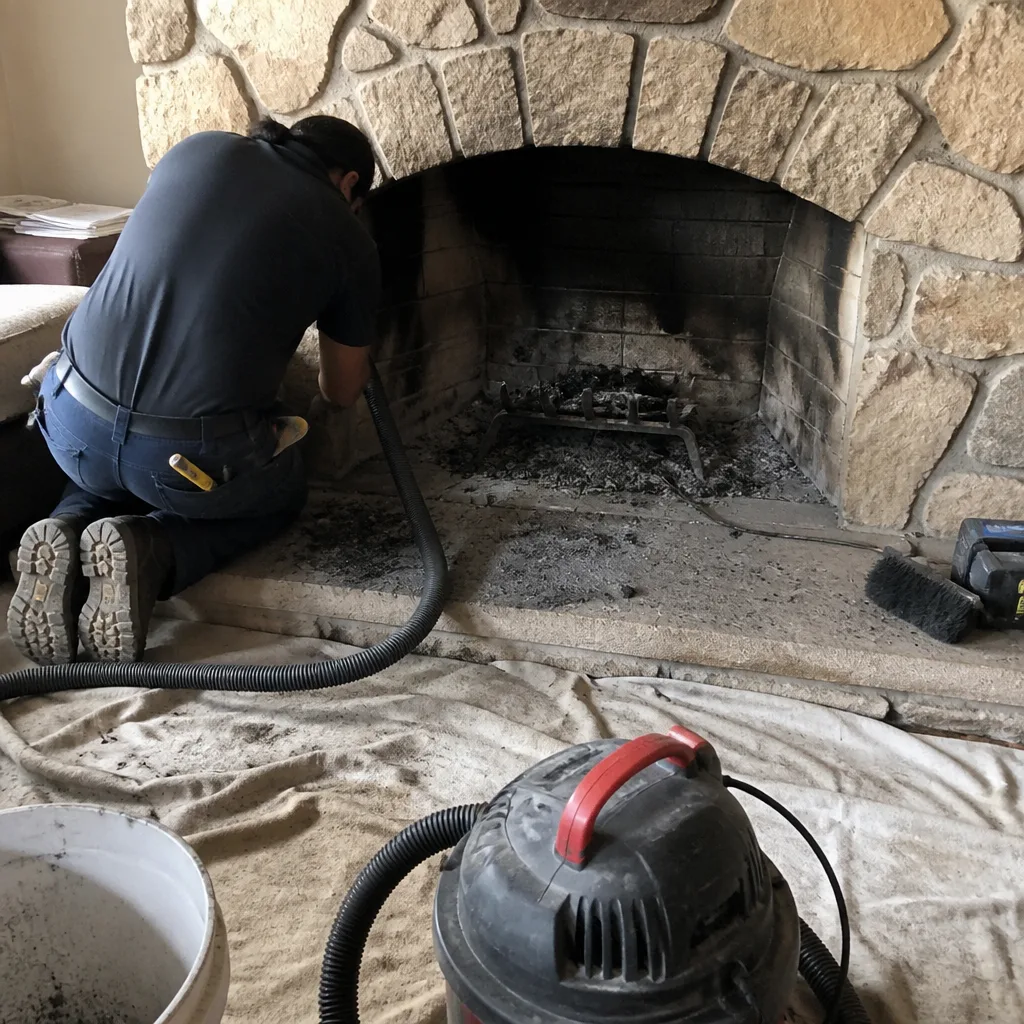 Before
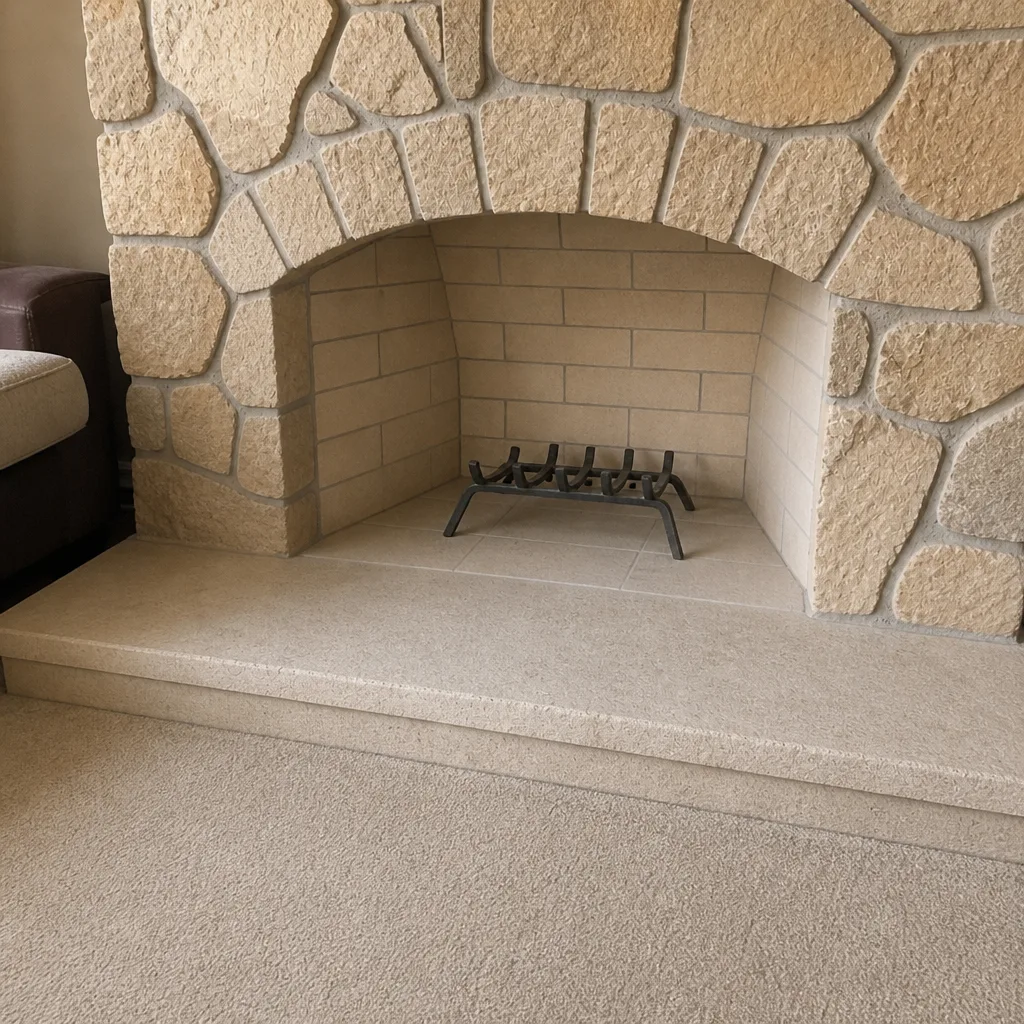 After
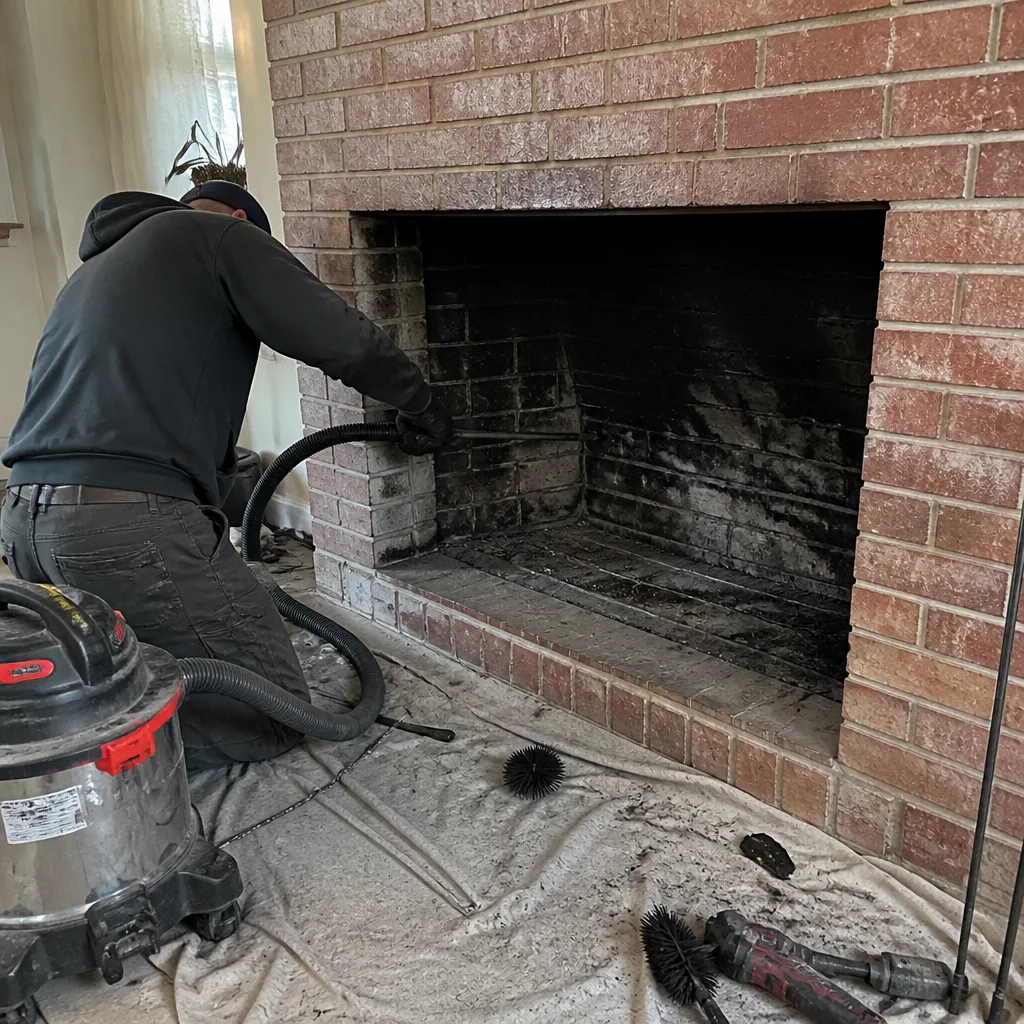 Before
 After
 Before
 After