
Last updated November 24, 2026
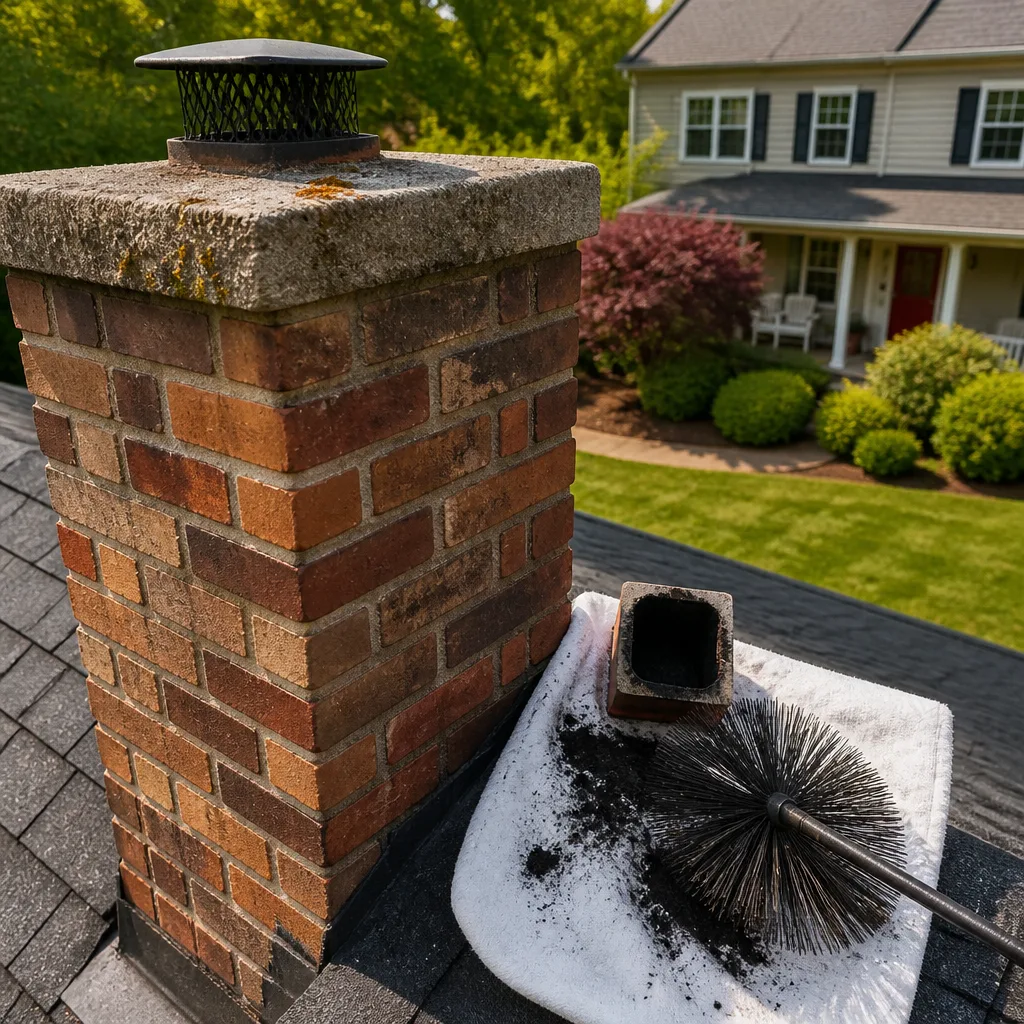 Sweep & inspection
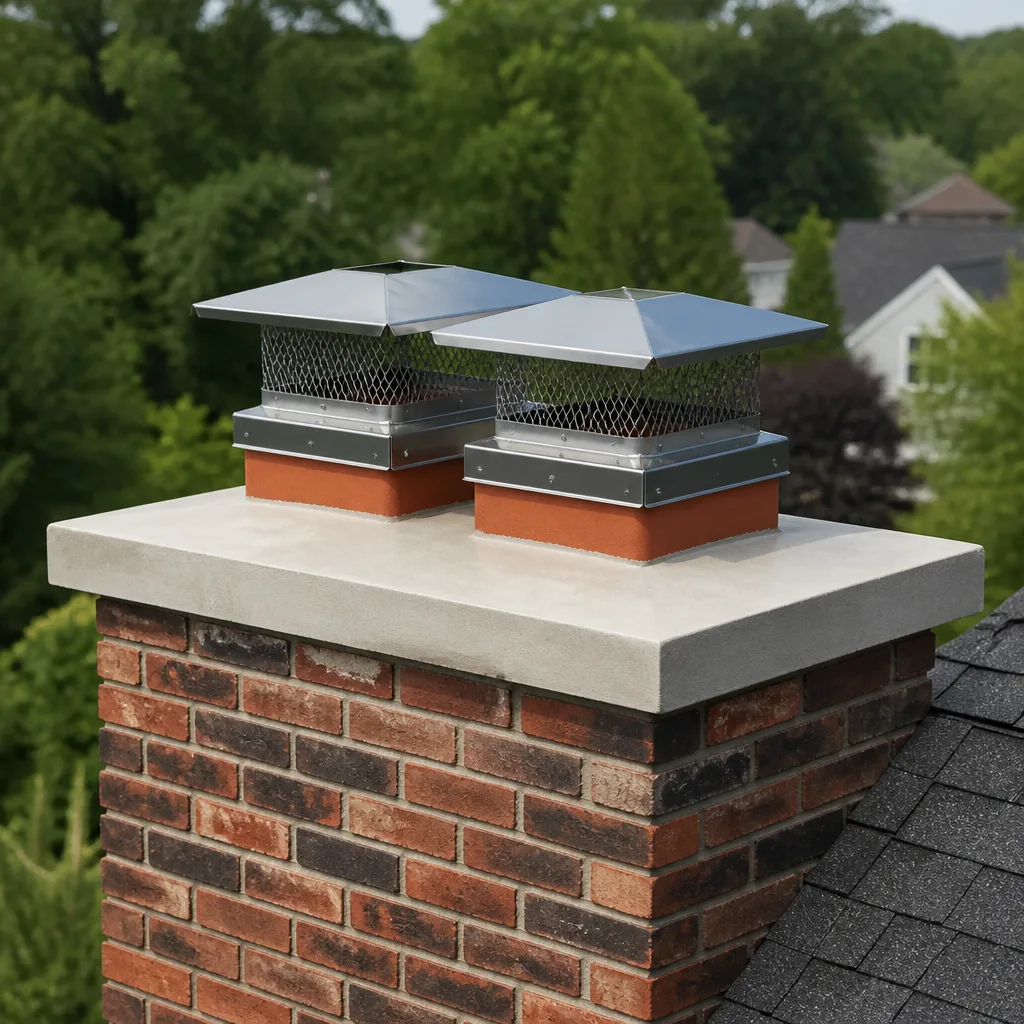 Caps & crowns
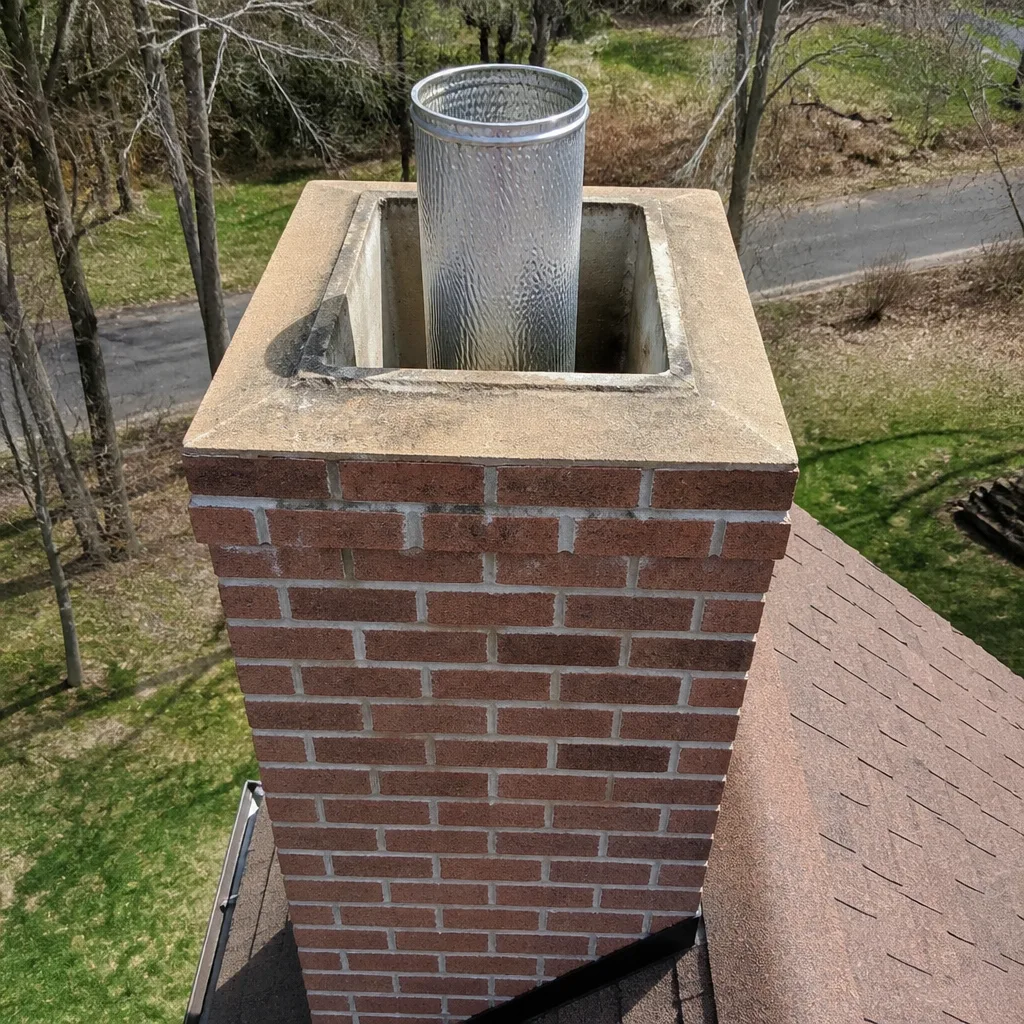 Flue relining
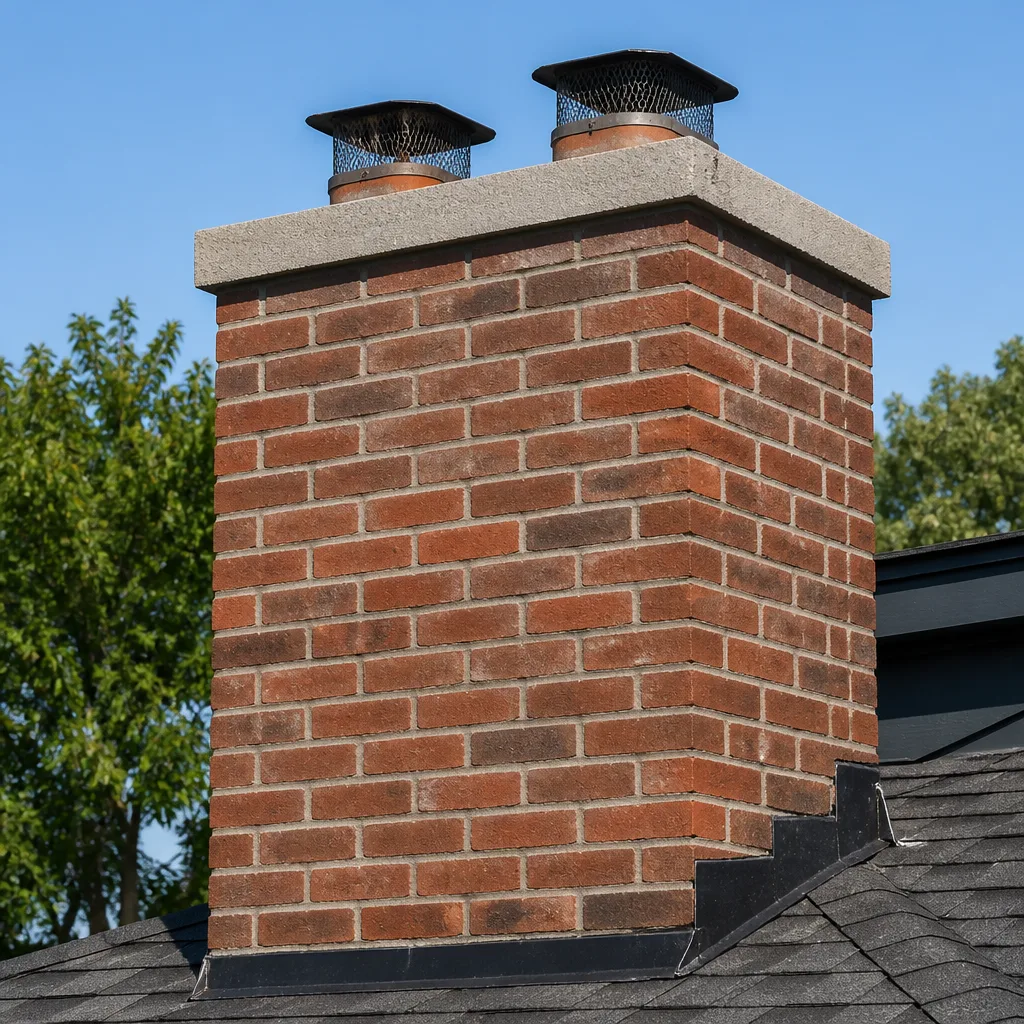 Masonry repair
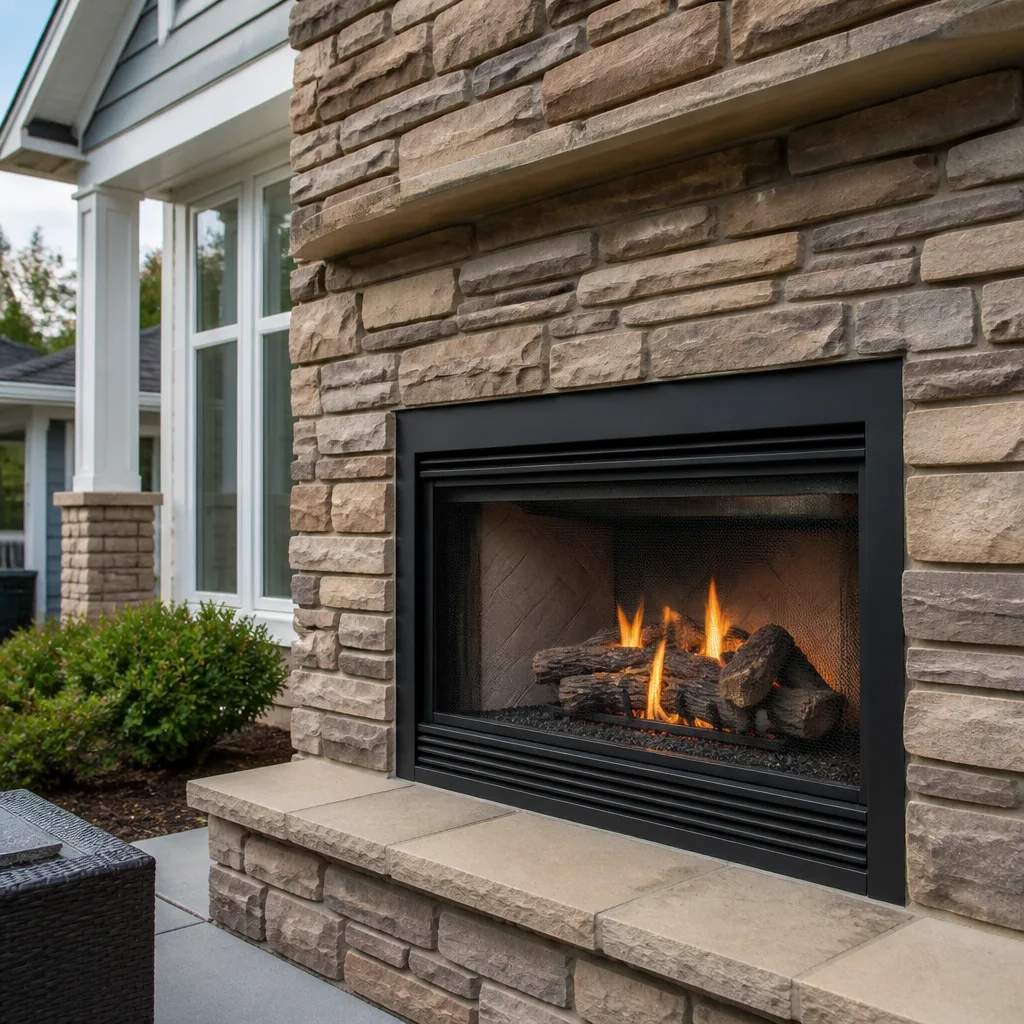 Gas fireplace service
Level 1 sweep and inspection to the NFPA 211 annual standard - flue, crown, cap, and flashing checked and photographed
Chimney sweep logs do not sweep chimneys. They loosen some creosote - which then falls where a brush and vacuum still have to collect it.
DIY vs Professional Chimney Cleaning: The Cherry Creek Homeowner’s Decision Guide
A chimney brush kit costs around $80 and does one thing well: it scrapes loose, flaky creosote off the flue walls. What it cannot do is tell you whether the tile liner behind that creosote has a hairline fracture, whether your smoke shelf is packed with buildup, or whether the crown on your roof has started to crack. That gap matters in Cherry Creek, where cold winters, high altitude, and spring hail all put pressure on the parts of a chimney you can’t see from the hearth. This guide draws a precise line between what DIY cleaning genuinely handles and what it misses entirely, so you can decide with clear eyes.
Styles & brands we work with
- Sweep & inspection
- Caps & crowns
- Flue relining
- Masonry repair
- Gas fireplace service
Quick Answer
DIY chimney cleaning is adequate only for light, routine Stage 1 creosote removal in a chimney you already know to be sound. It is not adequate for diagnosing liner integrity, smoke chamber condition, crown damage, or glazed creosote. In Cherry Creek, a professional sweep and inspection is the safer default because a brush pass removes buildup but gives you no information about the failure points most likely to cause a chimney fire or let combustion gases into your home.
Table of Contents
- What a DIY Brush Actually Cleans (And What It Leaves Behind)
- The Tools a Professional Brings That a DIY Kit Can’t Replicate
- Three Scenarios Where DIY Cleaning Is Genuinely Adequate
- Three Scenarios Where DIY Cleaning Is Actively Dangerous
- Why Cherry Creek Chimneys Need Professional Eyes
- DIY vs Professional: An Honest Cost Comparison
- How to Tell What Creosote You’re Dealing With
- Common Mistakes to Avoid
- When to Call a Professional
- Frequently Asked Questions
- The Bottom Line
What a DIY Brush Actually Cleans (And What It Leaves Behind)
A standard homeowner brush-and-rod kit is designed to knock down soft, sooty creosote from the flue walls. It does that job reasonably well in a flue with a straight run and a sound liner. But a chimney is a system, not a tube, and the brush only touches one layer of it. Understanding exactly what gets cleaned and what doesn’t is the first step in deciding whether DIY is right for your Cherry Creek home.
What a brush pass removes
- Stage 1 creosote – the flaky, soot-like deposit that accumulates after light-to-moderate burning. A rotary or manual brush breaks this up effectively.
- Loose soot from the firebox and lower flue.
- Surface dust on accessible flue walls, which does reduce the immediate fuel load in the pipe.
What a brush pass leaves behind
- Stage 3 glazed creosote – the hard, shiny, tar-like layer that has baked onto the liner. Brushes skid across it. This is the most dangerous form of creosote and it requires chemical treatment or rotary chains to break down.
- Liner cracks and gaps – a hairline fracture in a clay tile or a seam separation in a metal liner is invisible from the flue. You need a camera.
- Smoke shelf and smoke chamber buildup – the area just above the damper is where airflow slows and deposits collect. Most DIY setups can’t reach it safely or see it.
- Crown, cap, and flashing damage – the roof-side components that decide whether water gets into your system. A brush never touches them.
That last point is the diagnostic gap in a sentence. When you book a chimney sweep, you’re getting more than a cleaning. You’re getting someone who can look at the liner, the crown, and the cap while they’re up there and tell you what they see. A homeowner with a brush can’t do that part, and it’s the part that matters most in Cherry Creek, where the freeze-thaw cycle and hail season both work on the exterior of a chimney.
The Tools a Professional Brings That a DIY Kit Can’t Replicate
A professional sweep brings an inspection toolkit, not just a brush. The list below is what to expect when a proper chimney technician arrives, and it’s worth knowing because each tool answers a completely different question about your system. If someone shows up to clean your chimney with only a brush and a shop vac, that’s a warning sign, not a shortcut.
- CCTV liner camera. A small camera run down the flue shows the condition of every inch of the liner – cracks, gaps, offsets, and areas of heavy glazed creosote. This is the single most important tool in a professional’s kit, and it’s the one a homeowner cannot replicate.
- Smoke draft gauge. Measures how well your chimney is pulling. Poor draft is a sign of a partial blockage, a sizing problem, or a smoke chamber that needs attention, none of which a brush reveals.
- CO (carbon monoxide) monitor. Used during the inspection to check for spillage at the appliance connection. If combustion gases are leaking into your home instead of heading up the flue, this catches it.
- Moisture meter. Reads the water content in brick and mortar. Cherry Creek masonry goes through repeated freeze-thaw cycles, and a moisture meter tells a technician whether a crack is cosmetic or whether water is already inside the structure.
- Rotary chains and chemical treatments. For Stage 2 and Stage 3 creosote, a standard brush is useless. Rotary chains and chemical creosote removers break down the bonded deposits a homeowner can’t touch.
- Trade-grade replacement parts. If the inspection finds a failed component, a professional has access to purpose-built chimney materials – DuraFlex liners, HeatShield resurfacing, and parts from suppliers like Olympia Chimney and Copperfield. A homeowner’s only option at that point is a big-box substitute or a long search online.
Each of these tools answers a question a brush pass simply cannot. The brush tells you “the flue wall is less sooty than it was.” The camera and the gauge and the meter tell you “the flue wall is still a safe barrier between your fire and your living room.” Those are very different pieces of information, and only one of them is about safety.
Three Scenarios Where DIY Cleaning Is Genuinely Adequate
There are real situations where a homeowner can reasonably clean their own chimney, and pretending otherwise would be dishonest. If any of the following describes your situation, DIY cleaning is a defensible choice, as long as you recognize what you’re not getting.
1. You have a sound system with documented history
If your chimney was professionally inspected recently, the liner was confirmed intact, the crown and cap are in good shape, and you burn dry, seasoned wood, a mid-season brush pass to knock down light creosote is reasonable. The key word is “documented.” If you don’t have a report from a recent inspection, DIY cleaning is a guess dressed up as maintenance.
2. You burn occasionally, not as primary heat
A homeowner in Cherry Creek who lights a fire a few times a season produces a very different creosote load than someone burning daily from November through March. Occasional burning rarely produces glazed creosote, and the flue stays relatively clean. A brush and a shop vac handle light buildup fine.
3. You have easy, safe roof access – and you stay off it
Chimney cleaning from the roof is the one part of DIY work that people underestimate. Steep pitches, ice, hail damage, and the height of Cherry Creek rooflines make a fall a serious risk. If cleaning top-down requires getting on the roof, that alone is a reason to call a professional. Cleaning from the firebox with a bottom-up rod kit, with the firebox sealed and the room prepped, is the safer DIY approach and the only one we’d suggest for a homeowner who insists on doing it themselves.
Three Scenarios Where DIY Cleaning Is Actively Dangerous
The risk of DIY cleaning isn’t the cleaning itself. It’s the false sense of clearance that comes with it. A homeowner who brushes their own chimney assumes the system is safe because the fire burns well afterward. That assumption can hide a serious problem, and in the three scenarios below, it usually does.
1. Glazed creosote is present
If your flue has shiny, hardened creosote on the walls, a brush is doing almost nothing to it. You will sweep the loose material, feel satisfied, and leave the most combustible deposit in your chimney in place. Stage 3 creosote ignites at lower temperatures than the wood you’re burning, and once it lights, it burns hot. This is the classic chimney fire setup, and DIY cleaning doesn’t remove it. Chemical treatment or rotary chains are the only effective methods, and both require a trained technician.
2. The liner has a hairline fracture
This is the quiet one. A crack in a clay tile liner or a seam failure in a metal liner lets combustion gases – including carbon monoxide – escape into the wall cavity or into your living space. The fire still draws. The smoke still goes up. Nothing feels wrong. But the barrier that’s supposed to keep gases in the flue isn’t doing its job anymore. Only a camera inspection finds this. A brush removes some creosote and leaves the crack exactly where it was.
3. The crown or cap is damaged
Cherry Creek sees hail, and a hail-damaged cap or a cracked crown lets water into the chimney structure every time it rains or snows. Water and masonry are a bad pair, especially through freeze-thaw cycles. A DIY cleaning leaves the roof-side components unexamined, so the water intrusion continues, the masonry degrades, and the eventual repair is much larger than the cap replacement that would have prevented it. This is why we treat chimney cap & crown work as a specialty. Those two components are the front line against water damage, and they’re exactly what a brush pass never checks.
Why Cherry Creek Chimneys Need Professional Eyes
Cherry Creek weather puts specific stresses on a chimney that general advice doesn’t account for. The altitude changes how a fire burns. The cold winters work on the masonry. The hail season works on the roof-side components. And the older housing stock in neighborhoods around Cherry Creek and nearby areas means many chimneys are working with liners that have been through decades of these cycles. Here’s what that means in practice.
Altitude combustion dynamics
At Cherry Creek’s elevation, wood burns differently than it does at sea level. The air is thinner, draft is weaker, and combustion is less complete. Incomplete combustion produces more creosote, and more creosote means a faster buildup in the flue. A homeowner who’s used to how often they cleaned a chimney at lower elevation will often find that a Cherry Creek chimney needs attention more frequently. A professional who works in this area knows to look for the creosote patterns that come with high-altitude burning, and they can tell you whether your burning habits are producing more deposit than you think.
Hail and freeze-thaw on caps and crowns
Cherry Creek hail doesn’t just damage roofs. It dents metal caps, cracks masonry crowns, and loosens flashing. A cap that’s been beaten by hail can lose its mesh, and a missing mesh means birds, squirrels, and debris in the flue. A cracked crown lets water in at the top of the chimney, which is the worst place for it. None of this shows up on a brush pass. It only shows up when someone gets up on the roof and looks.
Older masonry in surrounding neighborhoods
Homes in Cherry Creek and the neighborhoods around it include a lot of older brick chimneys. Older masonry is more vulnerable to the freeze-thaw cycle, especially where a crack has already started. A moisture meter and a camera give a technician a picture of what’s actually happening inside that masonry. A homeowner with a brush is working blind.
This is why inspection is available as a standalone service. If you’ve been cleaning your own chimney for years and want a professional opinion on the state of the system before committing to any repair, we can do the inspection as its own visit. No recommendations get made without evidence you can look at yourself, and if the system is sound, we’ll tell you so.
DIY vs Professional: An Honest Cost Comparison
The DIY argument usually comes down to money, so let’s look at the actual numbers. A basic brush-and-rod kit runs around $80. Add a shop vac with a proper filter, drop cloths, and a respirator, and you’re at $200 or more for the first cleaning. After that, the kit is reusable, so the per-cleaning cost drops to your time. A professional sweep is a per-visit cost, but it includes an inspection and a report.
The line-item comparison
- DIY kit (first year): $80 to $250, including brush, rods, drop cloths, and a HEPA-filter shop vac.
- DIY consumables (per cleaning after): Minimal, maybe a new filter every season.
- DIY time investment: Two to four hours per cleaning, plus the setup and cleanup.
- Professional sweep: A per-visit charge set by the written estimate, agreed before booking. It includes the cleaning, a camera inspection, and a photo report of what was found.
- Professional inspection as standalone: A separate visit, priced per estimate, for homeowners who want the assessment without the cleaning.
- The variable that doesn’t fit in a table: A missed liner defect or a hairline crack behind a scrub of loose creosote. That risk has no line item, and it’s the reason the comparison isn’t really about dollars.
The honest way to frame the cost is this: DIY saves you money only if the chimney is fine. If it isn’t, DIY has saved you the cost of a sweep and cost you the difference between a small repair and a large one, or worse. The professional visit is the thing that tells you which chimney you have. A camera inspection and photo report included with the sweep means you’re not paying for a cleaning and then paying again to find out what the cleaning missed.
Pricing is always set per job by the written estimate, so the number you get is the number for your system, not a range that may not apply. The estimate is free. If cost is the reason you’re considering DIY, start with the call before you buy the kit.
How to Tell What Creosote You’re Dealing With
Creosote forms in three distinct stages, and knowing which one is in your flue changes the whole DIY-vs-professional question. You can check this yourself by looking up the flue with a flashlight and a mirror, though a proper assessment still requires the inspection camera. Here’s what to look for.
- Stage 1: Soot and flaky deposits. Looks like black paper and small flakes. Rubs off with a glove. A brush handles this. DIY is defensible if this is what you find and the rest of the system is sound.
- Stage 2: Hard, crusty deposits. Looks like a hard crust on the flue walls. Fingernail doesn’t scratch it easily. Brushes struggle with this. A rotary brush may work. A professional is the safer choice.
- Stage 3: Glazed, tar-like deposits. Looks shiny and hard, like the inside of an old metal pipe. This is the most combustible form of creosote, and brushes do not remove it. A professional using chemical treatment or rotary chains is the only way to remove it safely.
If you look up your flue and see Stage 3 creosote, stop. Don’t run the fireplace. Call a professional. This is the one finding that turns a “maybe I’ll DIY it” into a “this needs a technician” very quickly.
Common Mistakes to Avoid
- Assuming a clean flue means a safe system. Brushing removes creosote but doesn’t check the liner, crown, cap, or smoke chamber. In Cherry Creek, where the weather is hard on masonry and roof components, that assumption can hide a real problem.
- Buying a brush kit before you know what’s in the flue. If your chimney has glazed creosote, the kit won’t touch it. Look first, then decide. That flashlight check costs nothing.
- Getting on a Cherry Creek roof to reach the flue. Pitch, height, and weather make this the most dangerous part of DIY cleaning. Bottom-up cleaning from the firebox is the only DIY method we’d suggest for a homeowner, and even then only on a confirmed sound system.
- Skipping the cap check. A cap that’s been dented or loosened by hail no longer keeps out birds, squirrels, and rain. You don’t need to go on the roof to know the cap’s history – check from the ground with binoculars. If it’s damaged, that’s a professional visit.
- Cleaning with a shop vac not rated for fine ash. A standard shop vac blows fine soot back into the room, which coats your furniture and gets into your HVAC system. A HEPA-rated filter is the minimum for DIY.
- Ignoring what the fire behavior is telling you. If the fireplace smokes when you light it, draws poorly, or smells acrid even when it’s not running, that’s draft and combustion information your system needs evaluated – not a reason to brush harder.
- Cleaning your own chimney but using a big-box liner part to “fix” what you find. Chimney-trade parts like DuraFlex liners and HeatShield resurfacing exist because chimney systems demand them. A general hardware-store substitute is not the same material, and it won’t perform the same way.
When to Call a Professional
Call a professional in Cherry Creek in any of these situations: you find or suspect Stage 2 or 3 creosote; the fireplace smokes on light-up, draws poorly, or smells of acrid smoke when not in use; the cap or crown shows visible damage from the ground; the chimney has never had a documented inspection; the masonry has cracked or spalling; you’ve had a chimney fire, even a small one; you’re buying a home and need the system assessed before closing; or you’ve been cleaning it yourself and simply want eyes on the liner. If any of those fit, book the visit. If none of them fit and the system has a recent inspection on file, DIY cleaning is defensible for light maintenance, with the caveat that you’re still skipping the camera. When in doubt, the inspection is the cheap part. Call (866) 937-8043. We answer 24/7. Fast dispatch from 7am to 7pm, Sunday through Friday.
Our technicians have up to 12 years of experience, and we’ve worked with systems across Cherry Creek long enough to know where the local failure points tend to be. We handle the full chimney system in-house, from the firebox to the crown, so if the inspection turns up a repair, it’s the same specialist doing it. Chimney Sweep Cherry Creek offers free estimates and an honest assessment before any repair commitment. If the system can safely wait, we’ll tell you that too.
Frequently Asked Questions
Yes, if the chimney has a recent documented inspection, the liner is sound, and you’re only removing light Stage 1 creosote. You can’t diagnose liner cracks, glazed creosote, or crown damage yourself, so DIY cleaning never substitutes for a professional inspection. If you don’t have a recent report on file, start with the inspection. Call (866) 937-8043 for an exact quote – estimates are free.
Most wood-burning chimneys should be cleaned and inspected once a year, and high-altitude combustion in Cherry Creek produces more creosote than lower elevations do, so annual attention matters more here. If you burn daily through the winter, the flue may need a mid-season look. Call (866) 937-8043 to book a visit before the first fire of the season.
Creosote builds up in layers, and Stage 3 glazed creosote is highly combustible. If it ignites, that’s a chimney fire, and the heat and pressure can crack the liner or drive combustion gases into the structure. Skipping cleaning removes the margin of safety and eliminates the annual chance to catch liner or crown problems before they grow. Call (866) 937-8043 to get back on schedule.
No. A standard brush skids across Stage 3 glazed creosote without removing it, which is exactly why glazed deposits are the most dangerous form. Removal requires chemical treatment or rotary chains, and both need a trained technician. If you see shiny, tar-like deposits in the flue, stop burning and call us at (866) 937-8043.
A sweep removes creosote and soot. An inspection evaluates the whole system – liner, smoke chamber, crown, cap, and flashing – with a camera, gauge, and meter. You can book an inspection as a standalone service without a cleaning, which is the right call if you’ve been cleaning your own chimney and want an honest assessment first. Call (866) 937-8043 to schedule one.
Not always. A minor crack can sometimes be resurfaced with HeatShield, an industry-recognized restoration system that rebuilds the liner surface without a full replacement. A full reline with a DuraFlex flexible liner is the answer when the liner has failed structurally or the damage is extensive. The right call depends on the camera evidence, and we recommend nothing without showing you what we found. Call (866) 937-8043 for an exact quote.
The Bottom Line
The DIY chimney cleaning question isn’t really about cost. It’s about what you can and can’t see. A brush removes loose creosote, and a homeowner can reasonably handle that on a sound, recently inspected system. What a brush cannot do is evaluate the liner, the smoke chamber, the crown, and the cap, and in Cherry Creek, high-altitude combustion and hail and freeze-thaw all put pressure on exactly those parts. That’s the diagnostic gap, and it’s why the professional sweep and inspection is the safer default unless you have documentation to the contrary. If you want the honest assessment before you buy another brush, our Chimney Sweep Cherry Creek team can look at the whole system, from firebox to crown, and tell you what it actually needs. Book a fireplace repair visit only when the inspection points to it, not before. Inspection first, recommendations second.
Call (866) 937-8043 for a free estimate. We answer 24/7. Fast dispatch from 7am to 7pm, Sunday through Friday. We work with trade materials including DuraFlex, HeatShield, Famco, and Copperfield, and we handle sweeping, inspection, fireplace repair, chimney repair, and cap and crown work under one specialist roof. If your system can safely wait, we’ll tell you. If it can’t, you’ll see the evidence yourself.
Written by the team at Chimney Sweep Cherry Creek.
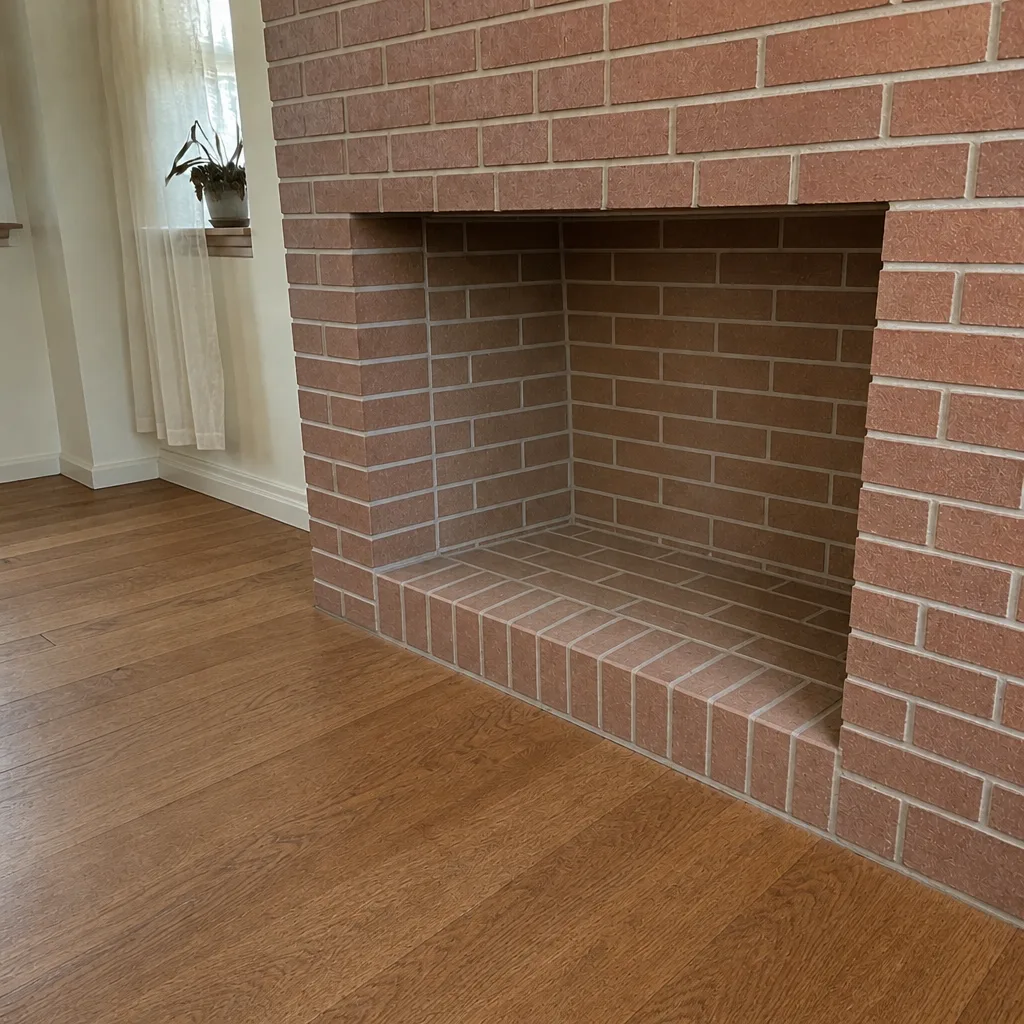
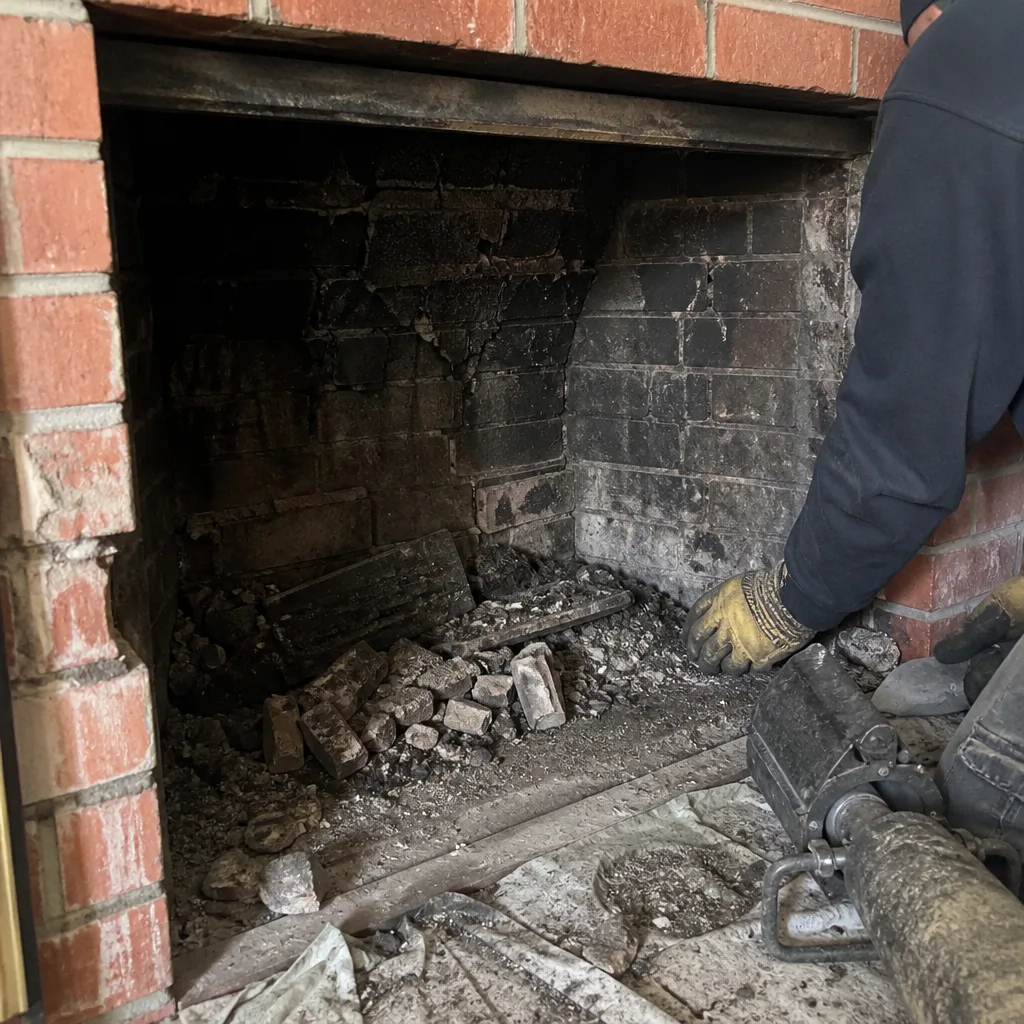
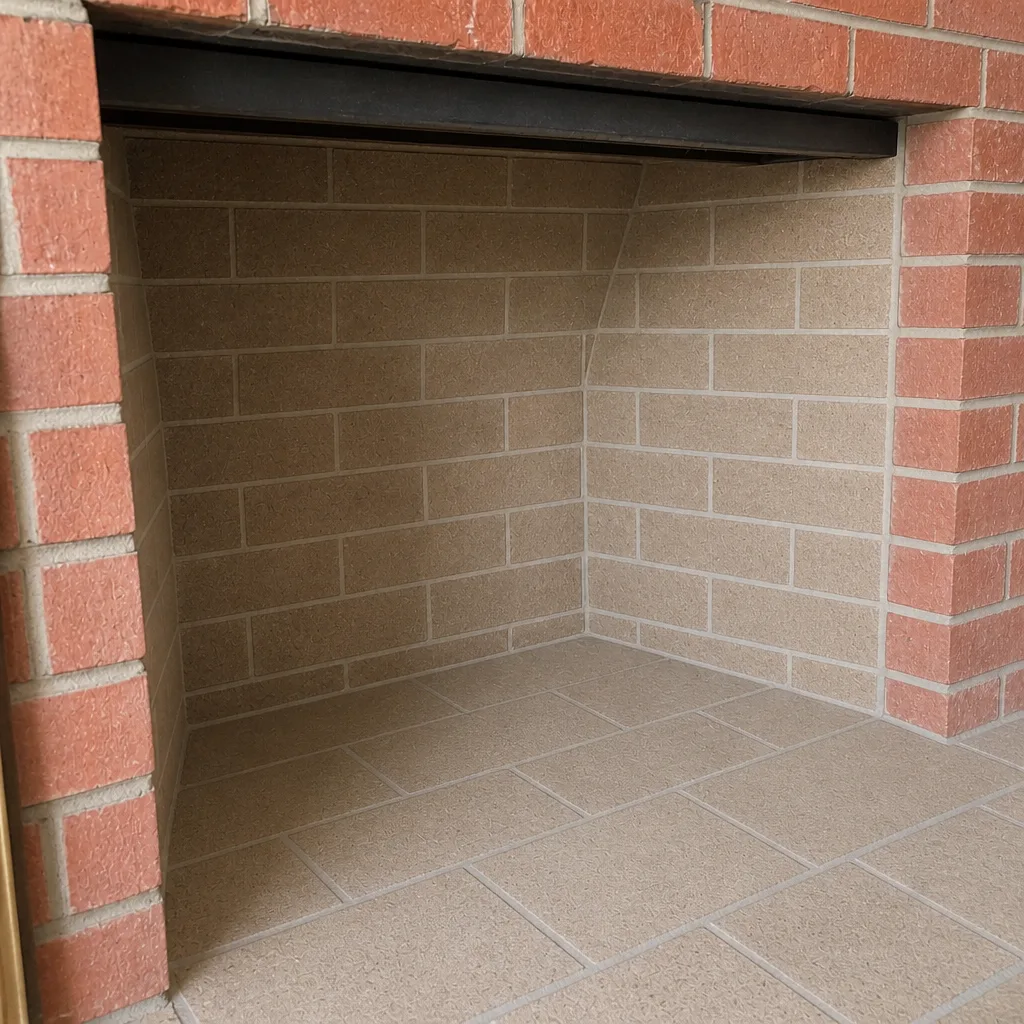
See the difference
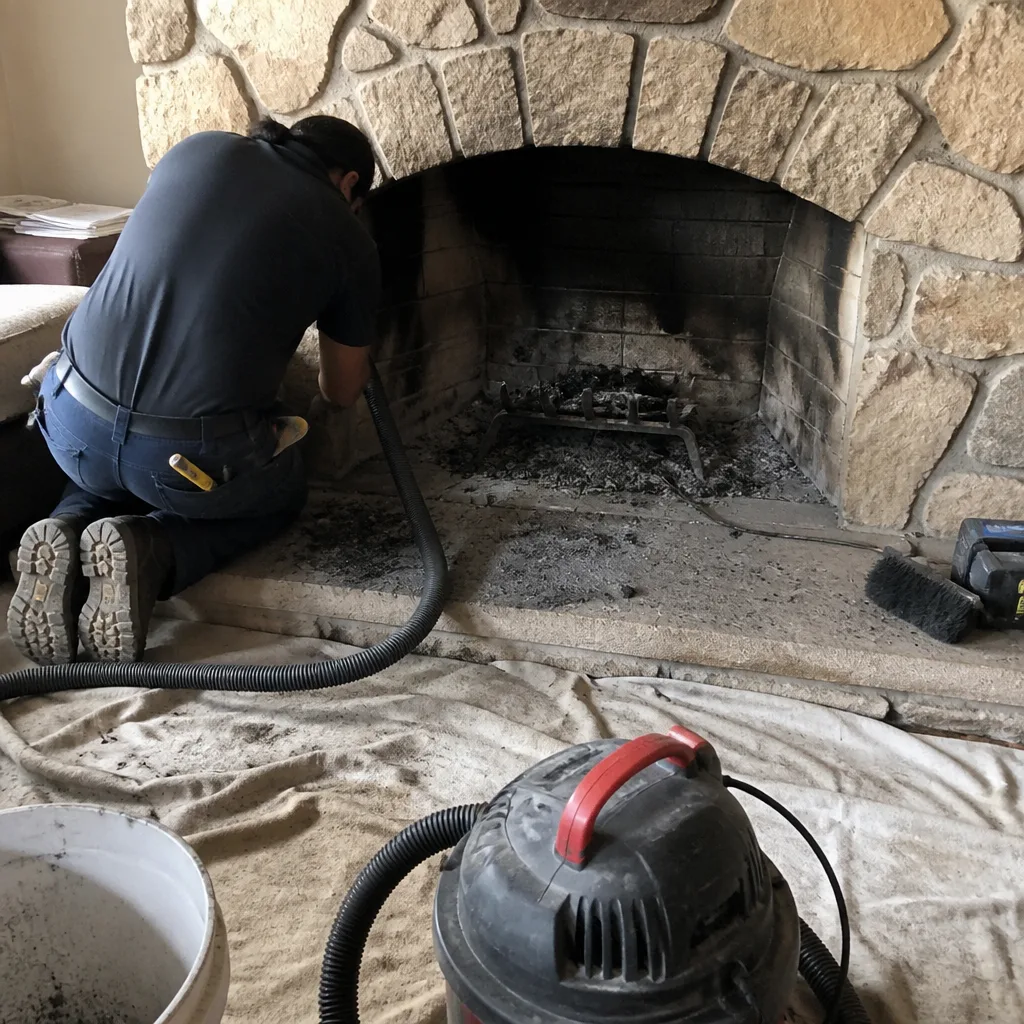 Before
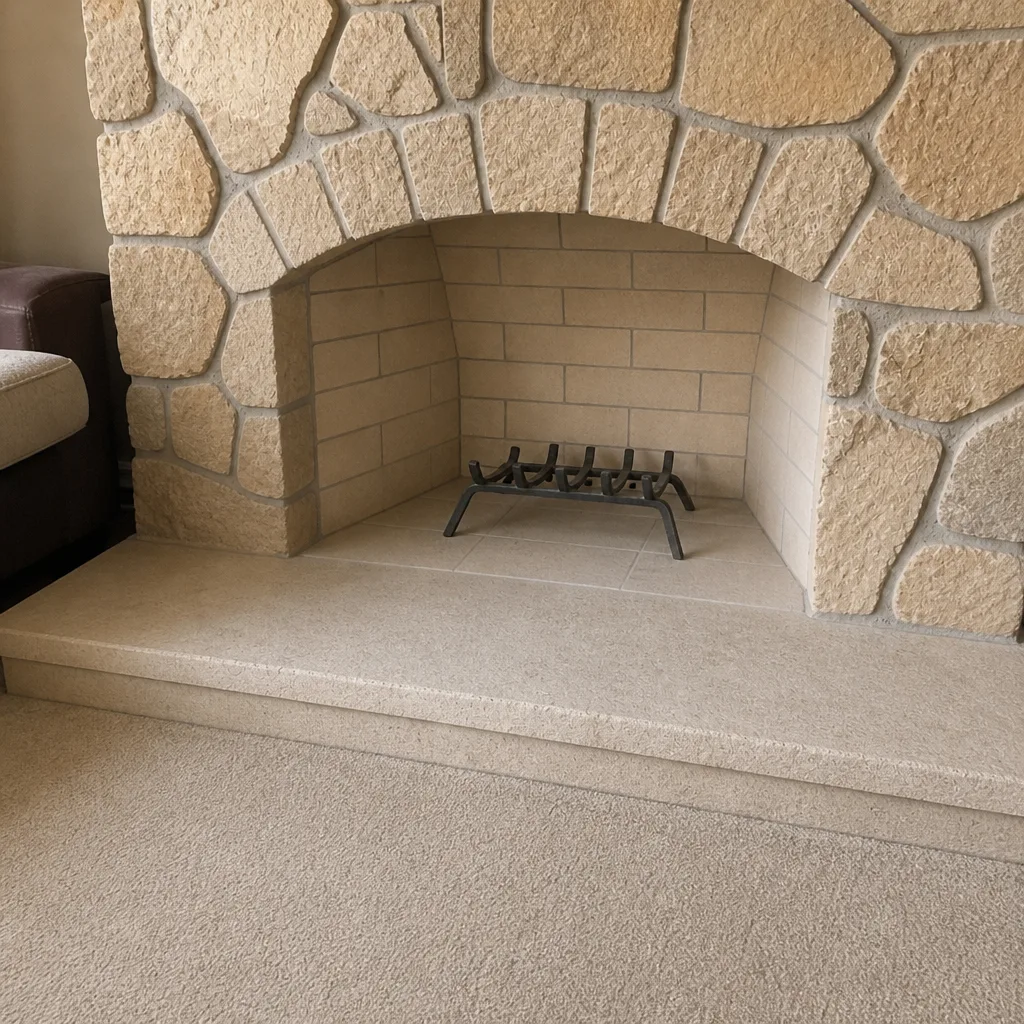 After
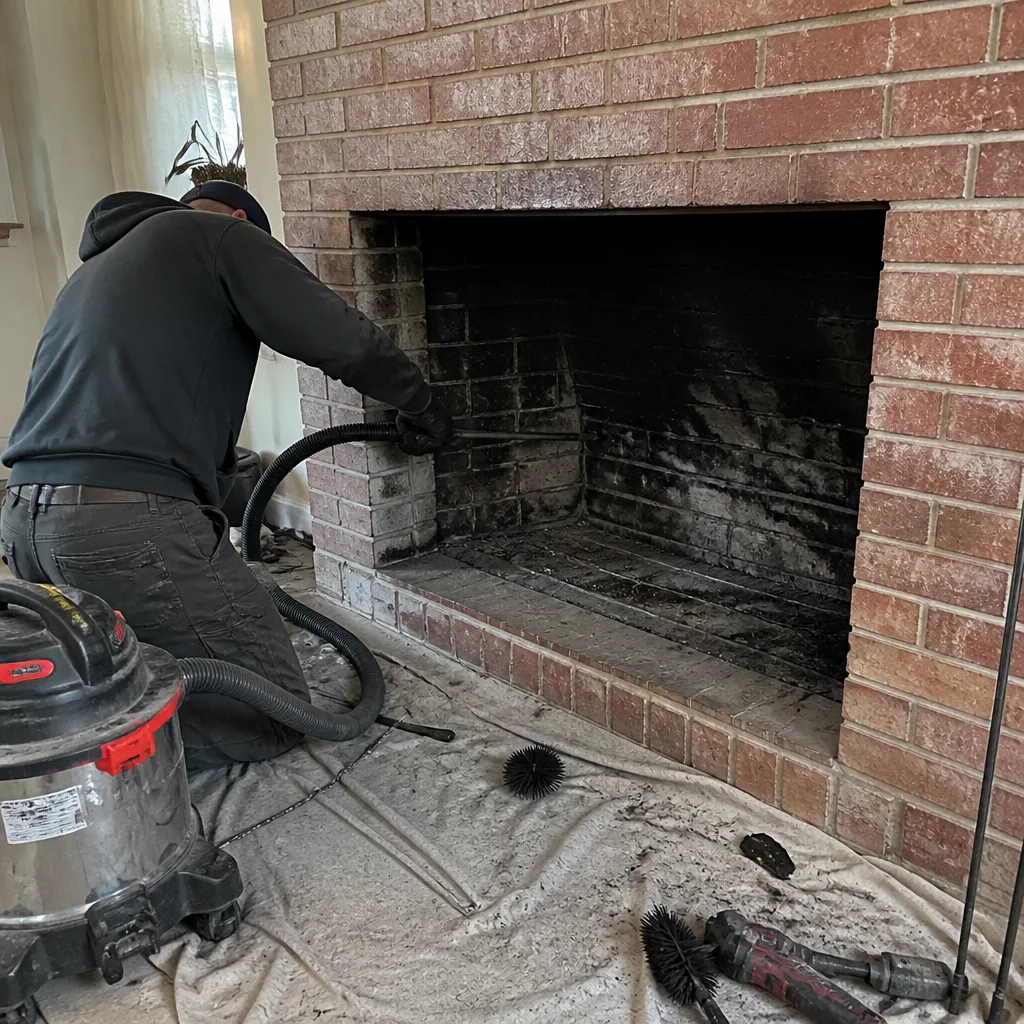 Before
 After
 Before
 After