
Last updated November 24, 2026
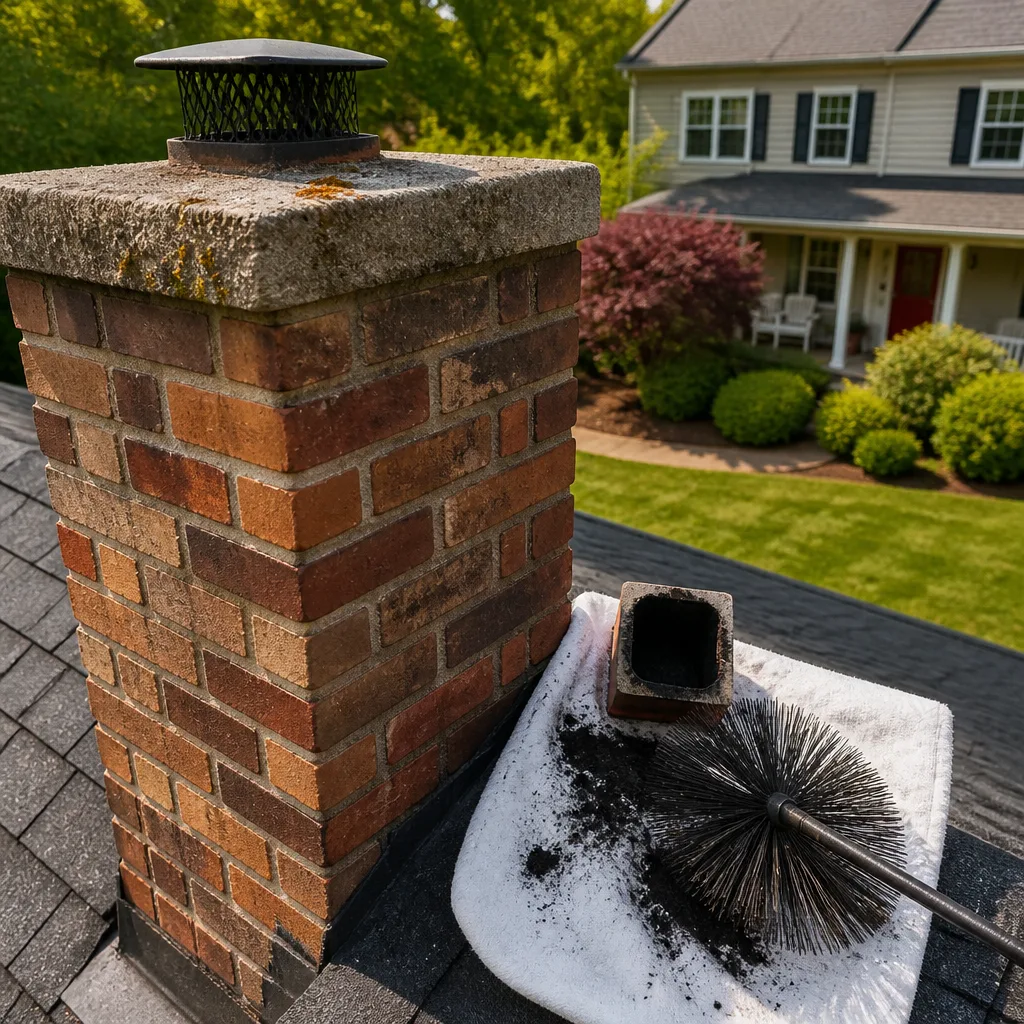 Sweep & inspection
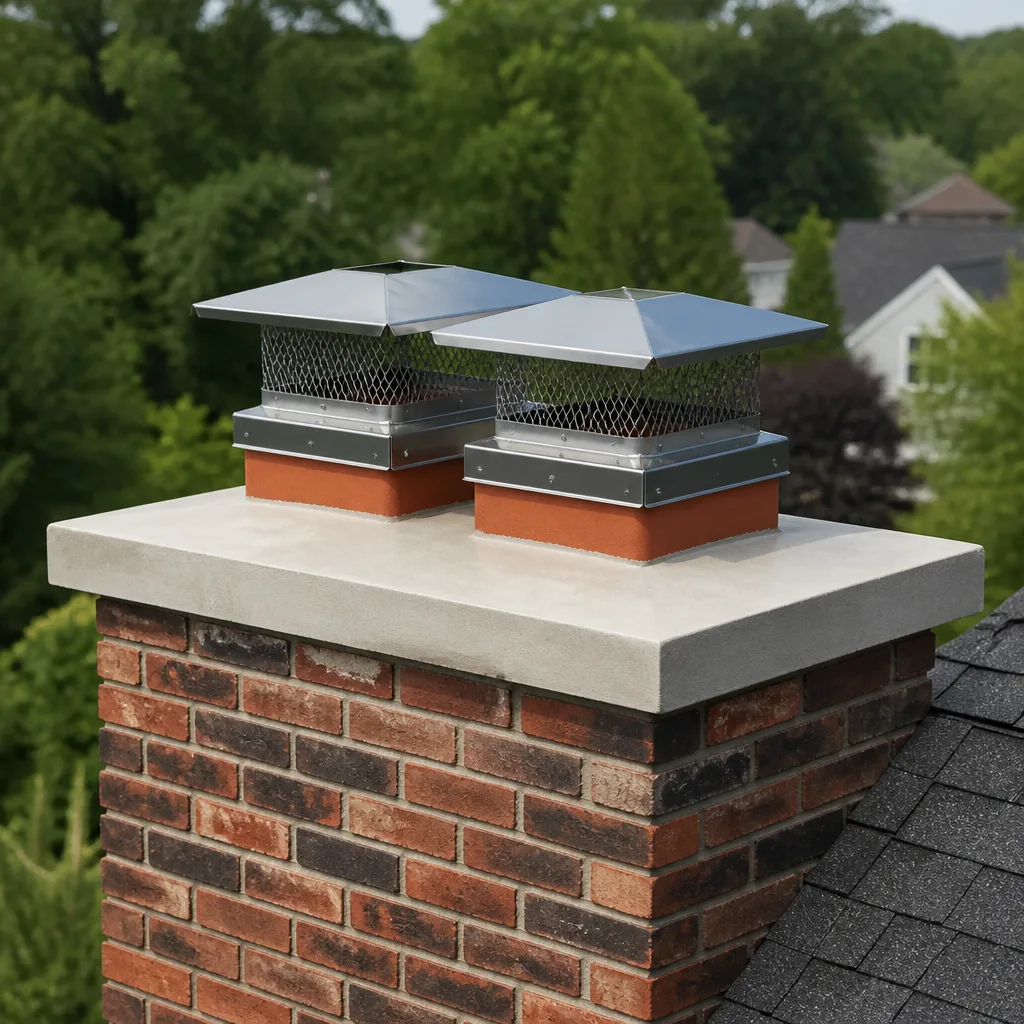 Caps & crowns
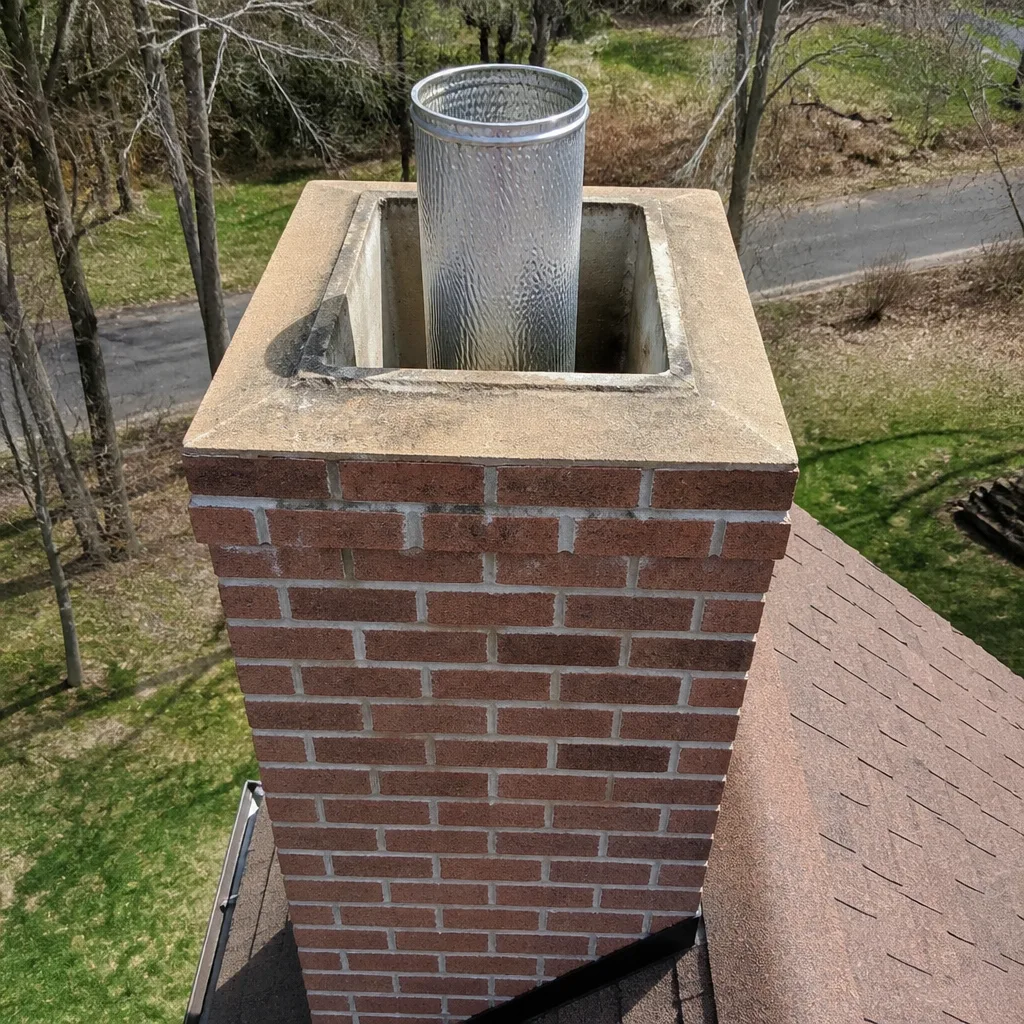 Flue relining
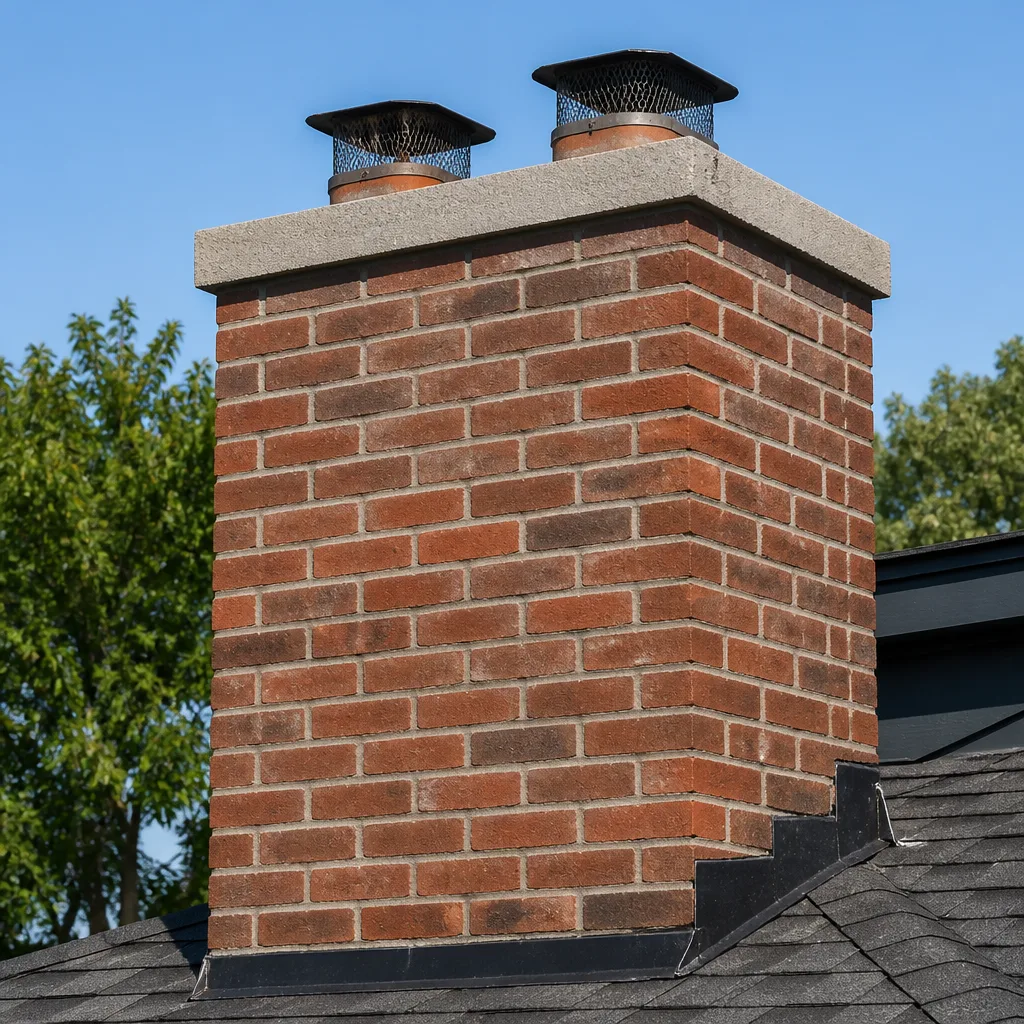 Masonry repair
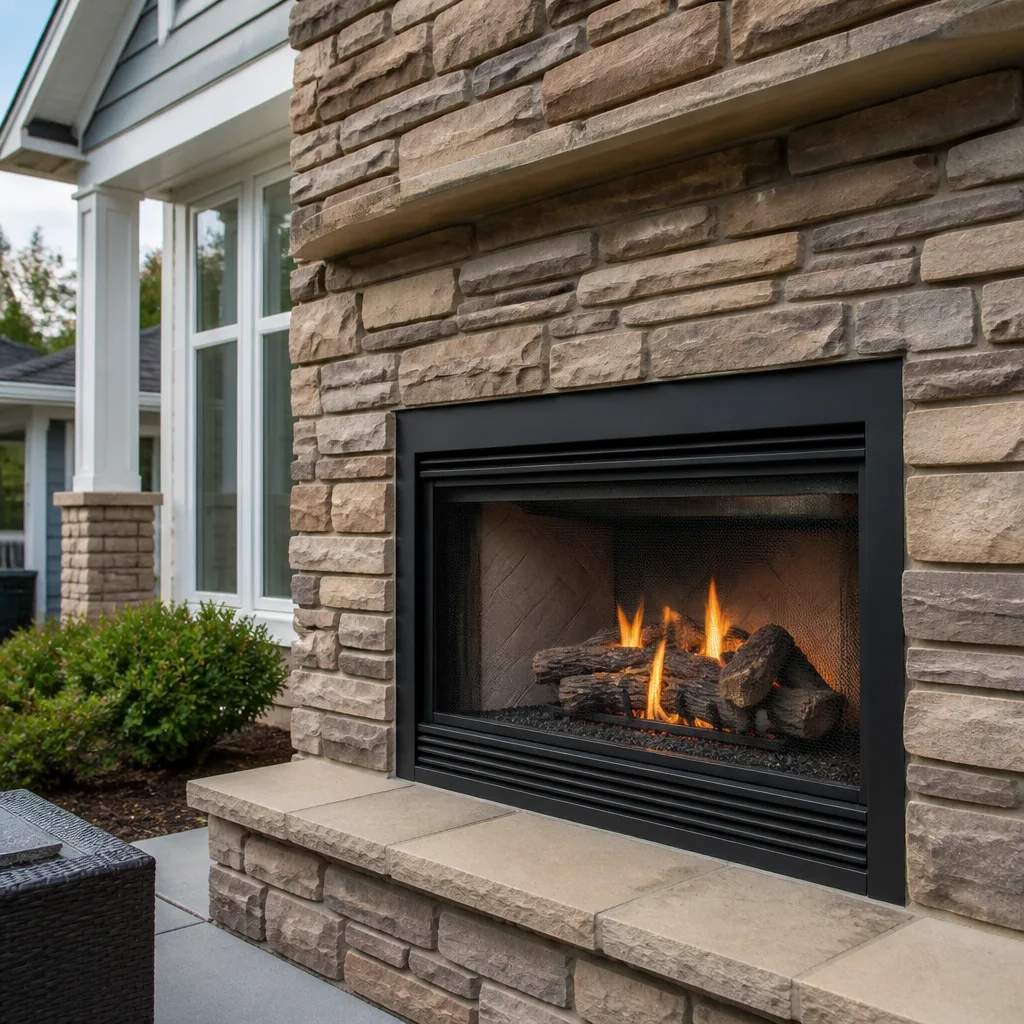 Gas fireplace service
Level 1 sweep and inspection to the NFPA 211 annual standard - flue, crown, cap, and flashing checked and photographed
Chimney sweep logs do not sweep chimneys. They loosen some creosote - which then falls where a brush and vacuum still have to collect it.
Chimney Cleaning Permits, Codes & Inspections in Cherry Creek, CO: What You Need to Know
Most homeowners assume the permit question belongs to the contractor. In Colorado, it belongs to the homeowner, because the name on the permit record and the name on the insurance policy are usually the same. Cleaning a chimney rarely triggers a permit. The liner replacement, crown rebuild, or firebox masonry that cleaning uncovers often does. When that repair happens without a permit, the paper trail your insurer relies on never gets created, and a later claim can be denied on grounds that have nothing to do with how well the work was done. This guide covers where the cleaning-to-repair line sits legally in Cherry Creek, what Denver and Arapahoe County actually require, how the International Residential Code applies to liner materials, what a real inspection report contains, and which records to keep in your home file.
Quick Answer
Chimney cleaning and cap replacement generally don’t require a building permit in Cherry Creek, CO. Structural repairs do: liner replacement, firebox masonry, crown reconstruction, and new or altered gas appliance venting typically require a permit from the authority having jurisdiction, and the work must follow the International Residential Code as Colorado has adopted it, including Section R1003 for chimneys. NFPA 211 is the standard inspectors reference for evaluating the system, and a code-compliant inspection report documents the condition of the flue, liner, crown, cap, firebox, and masonry so the homeowner has written evidence for insurance and resale.
Styles & brands we work with
- Sweep & inspection
- Caps & crowns
- Flue relining
- Masonry repair
- Gas fireplace service
Table of Contents
- Does chimney cleaning require a permit in Cherry Creek?
- What repair work triggers a permit in Denver and Arapahoe County?
- How IRC Section R1003 applies to liner materials and thickness
- What a code-compliant inspection report contains
- The insurance disclosure homeowners should make and the records to keep
- How Cherry Creek’s historic overlays interact with building permits
- A step-by-step permit path for a typical Cherry Creek chimney repair
- Common mistakes to avoid
Does Chimney Cleaning Require a Permit in Cherry Creek?
No. Routine chimney cleaning does not require a building permit in Cherry Creek or anywhere in Colorado. Sweeping removes creosote and soot from an existing flue; it doesn’t alter the structure, the liner, or any venting component. The same goes for a standard cap replacement and minor tuckpointing on mortar joints that have started to erode. Those are maintenance items.
The confusion starts because cleaning is where problems get found. A sweep with a camera shows the homeowner what’s actually inside the flue. When that camera reveals a cracked clay tile liner, a corroded factory-built liner, or a firebox with deteriorated refractory brick, the conversation shifts from maintenance to repair, and repair is where the permit map changes.
Here’s the practical split we explain to homeowners before we start:
- No permit typically required: sweeping and cleaning, cap replacement, minor mortar tuckpointing, damper adjustment, screen or spark arrestor replacement.
- Permit typically required: liner replacement or relining, firebox masonry or refractory reconstruction, crown rebuild or replacement, and new or significantly altered gas appliance venting.
- Varies by jurisdiction: chimney chase modifications, flashing replacement where roofing is disturbed, and any work that changes the chimney’s footprint or height.
In Cherry Creek, the authority having jurisdiction depends on the parcel. Some addresses fall under Denver’s building department and others under Arapahoe County, and the requirements can differ at the margins. Before any structural chimney work, the right move is a call to the city or county building department with the property address in hand. We won’t tell a homeowner a permit is or isn’t needed for their specific parcel without that confirmation, because the address determines the answer.
If you’re scheduling routine maintenance before the first fire of the season, a chimney sweep is the starting point. What the sweep finds determines whether the permit conversation happens at all.
What Repair Work Triggers a Permit in Denver and Arapahoe County?
Liner replacement is the most common chimney repair that requires a permit in the Cherry Creek area. The liner is the flue’s protective barrier, and replacing it changes the venting characteristics of the appliance. That’s a structural modification to a life-safety system, and building departments treat it accordingly.
The other repairs that consistently cross the permit threshold:
- Firebox masonry and refractory work. Rebuilding the firebox, replacing refractory panels, or reconstructing firebrick changes the combustion chamber. Inspectors want to see that clearances and materials meet code.
- Liner replacement or relining. Any change to the flue liner, whether a new clay tile liner, a cast-in-place system, or a flexible stainless liner, is a permitted repair in most Denver and Arapahoe County jurisdictions.
- Crown reconstruction. The crown is the concrete or masonry cap at the top of the chimney that sheds water. Rebuilding it is structural masonry work.
- Gas appliance venting changes. New venting for a gas fireplace insert, or significant alteration to existing venting, triggers a permit and usually an inspection.
Two repairs that homeowners often assume require permits but usually don’t: cap replacement and crown repair where the existing crown is patched, not rebuilt. A well-fitted cap is a maintenance item, and even though chimney cap & crown work addresses the two leading entry points for water intrusion, replacement of the cap alone typically doesn’t need a building permit. The crown rebuild is different. A patch is maintenance; a rebuild is construction.
Why does the distinction matter to a homeowner and not just to a contractor? Because an unpermitted structural repair can complicate a future insurance claim and surface during a pre-sale inspection. If a buyer’s inspector sees liner work with no permit on record, that becomes a negotiating issue. The repair itself may be sound. The missing permit is what costs money.
How IRC Section R1003 Applies to Liner Materials and Thickness
Colorado has adopted the International Residential Code, and Section R1003 is the chapter that governs chimneys. For homeowners who have never read a building code, the relevant parts are straightforward: the liner must be constructed of materials rated for the appliance’s flue gas temperature, the liner must be continuous from the appliance connection to the top of the chimney, and the liner wall thickness must meet the minimum for the material and venting class.
In practice, that means three things:
- The material must be rated for the appliance. A wood-burning appliance produces higher flue gas temperatures than a gas appliance, and the liner has to be listed for the service it’s performing. A material listed for gas isn’t automatically acceptable for wood.
- The liner must be continuous and correctly sized. A liner that stops short, has gaps at joints, or is undersized for the appliance’s venting requirements fails the code test even if it was installed cleanly.
- The installation must respect clearances. Liner systems are tested as assemblies with listed clearances to combustibles. Installing a listed liner without maintaining those clearances isn’t a compliant installation, no matter how good the product is.
This is where material selection becomes more than a brand preference. We install DuraFlex flexible liner systems because they’re a professional-grade listed solution for relining, and we work with HeatShield for liner resurfacing when the existing flue is sound enough that restoration makes sense instead of full replacement. HeatShield is an industry-recognized resurfacing system that restores a deteriorated clay liner from the inside, and in the right conditions it can save a homeowner from a full replacement job. In the wrong conditions, usually a liner with structural cracking or separation, it’s not the right answer, and saying so is part of the job.
Parts matter here too. We source from established chimney-trade suppliers, including Olympia Chimney and Copperfield, because generic hardware-store substitutes don’t carry the listing the code references. A listed liner system with a listed cap and listed connector is a system. Mixing in unlisted parts breaks the assembly’s rating.
If your repair requires structural work, it’s worth reading up on the surrounding scope, since repairs often run beyond the flue into the firebox and masonry. A fireplace repair page covers those details.
What a Code-Compliant Inspection Report Contains
A code-compliant inspection report documents the condition of the entire chimney system, not just the flue, and references NFPA 211 standards even on residential jobs. NFPA 211 is the National Fire Protection Association’s standard for chimneys, fireplaces, vents, and solid fuel-burning appliances. It’s the standard most inspectors use to describe what they found and what condition the system is in, and mentioning it isn’t legal boilerplate. It’s the shared language that lets an insurance adjuster, a real estate inspector, and a chimney professional all read the same report and reach the same conclusion.
Here’s what a complete inspection report should contain:
- Appliance details. The type of appliance, fuel, and venting class, with a photo of the data plate where accessible.
- Flue and liner condition. Camera images of the full flue length, notes on cracking, joint separation, or corrosion, and a stated condition rating.
- Firebox and refractory condition. Photos of any cracking, spalling, or deteriorated panels with a recommended action.
- Crown and cap condition. Photos of the crown’s surface and edges, the cap’s fit and attachment, and any observed water intrusion points.
- Exterior masonry and flashing. Notes on spalling, joint condition, and flashing integration with the roof.
- Clearances and code observations. Any visible clearance violations, with references to the applicable code sections.
- Photo documentation. Every finding should have an image behind it. A report without photos is a list of opinions.
The inspection is the honest starting point. We offer it as a standalone service, and there’s no pressure to book a repair from that visit. The report tells you what’s there; what you do with it is your call. If you want to check a system before buying a home, or want documentation on a system you already own, the inspection stands on its own.
The Insurance Disclosure to Make and the Records to Keep
Once a structural chimney repair is complete, the homeowner should tell their insurer, and keep the paperwork. Most homeowners never do this, and that’s the gap the opening of this guide pointed at.
The disclosure is simple. Call the insurance agent and let them know a permitted structural repair was completed on the chimney system. Provide the permit number, the final inspection sign-off if the jurisdiction issued one, the contractor’s written scope of work, and the before-and-after inspection report with photos. Some insurers will ask for the documentation; some won’t, but keeping it means the homeowner is ready if a claim ever comes up.
What belongs in the home file:
- The building permit and the final inspection card or sign-off.
- The contractor’s written estimate and final invoice, showing scope, materials, and dates.
- The pre-repair inspection report with photos.
- The post-repair inspection report with photos.
- Material specifications for the liner or masonry products used, including the listing information.
- Any warranty documentation from the manufacturer.
Why all of it? Because insurance adjusters don’t assess the quality of the work. They assess whether the work was done properly and legally. A permit record and an inspection report with photos answer that question. A receipt alone doesn’t.
For resale, this file matters as much as it does for insurance. Buyers’ inspectors look for chimney work, and a complete file shortens the conversation. A missing permit makes an otherwise sound chimney system look like a liability in negotiation.
How Cherry Creek’s Historic Overlays Interact With Building Permits
Fireplace and chimney work inside a home rarely touches historic overlay rules. Exterior chimney modifications often do. Cherry Creek has areas with historic district designations, and when a chimney’s exterior appearance changes, the review process can go beyond the standard building permit.
What’s likely to trigger design review:
- Rebuilding a chimney stack with a different material, profile, or color from what’s there.
- Changing the chimney’s height or proportions, which alters the roofline.
- Replacing an unpainted masonry chimney with stucco or a manufactured stack with a different finish.
What usually doesn’t:
- Rebuilding a crown to match the existing profile and material.
- Adding or replacing a cap, as long as the cap profile is consistent with what was there or is a standard low-profile design.
- Repointing mortar joints on the chimney stack with a mortar matched to the existing composition.
The overlap matters because design review and building permit are separate processes. A building permit may be approved while a design review is still pending, and starting exterior work before design review clears can lead to a stop-work order. Our approach on Cherry Creek jobs is to ask about historic district status before any exterior scope is finalized. The building department can confirm the parcel’s overlay status, and the design review process runs on its own timeline. Plan for both, not one.
A Step-by-Step Permit Path for a Typical Cherry Creek Chimney Repair
Here’s how the process runs from the homeowner’s side when a chimney repair moves into permit territory.
- Inspection first. Book an inspection and get a written report with photos. Every repair decision should trace back to something visible in that report. Nothing gets recommended without camera evidence you can see for yourself.
- Confirm the jurisdiction. With the address in hand, call the Colorado city or county building department that has authority over the parcel, whether Denver or Arapahoe County, and ask whether the proposed repair requires a permit and what the submittal includes.
- Get the scope in writing. The contractor’s estimate should list the materials, the code references the repair will follow, and the permit responsibility. Confirm in writing who pulls the permit. In most jurisdictions, either the homeowner or the licensed contractor can, but the record matters either way.
- Check for design review. If the property is in a historic overlay, confirm whether exterior work requires design review separate from the building permit.
- Complete the work with inspection scheduled. Many jurisdictions require a rough or final inspection after liner installation or structural masonry work. Make sure that inspection happens before the paperwork is closed.
- Take final photos. Before and after photos, done as part of the finished job, become the record the insurer will want later.
- File the record. Permit, inspection sign-off, invoice, pre and post inspection reports, and material specs go in the home file. Tell the insurance agent.
If the inspection turns up nothing either way, no permit is needed, and no repair gets recommended. We’d rather tell a homeowner the chimney is fine than sell work that isn’t necessary. Some parts of a chimney are on a maintenance schedule and some can safely wait a season or more. The inspection is how we tell the difference.
Common Mistakes to Avoid
- Assuming cleaning covers repair compliance. A sweep record is not a permit. Homeowners with annual cleaning sometimes think their system is “on the books” when only cleaning has happened. Permit records are separate from service records.
- Letting a contractor pull the permit without reviewing the scope. The permit application describes the work in a specific way. Read it before it’s submitted so the scope matches what was discussed.
- Skipping the post-repair inspection report. A repair without a post-repair report leaves the homeowner holding a receipt with no evidence the system now meets code. Insurers ask for documentation, not invoices.
- Forgetting the insurance call after a structural repair. Most homeowners never tell their insurer. The agent knows what to add to the file, and the homeowner benefits from having the conversation on record.
- Assuming a Cherry Creek historic overlay property can’t be touched. Interior work rarely involves design review. Exterior work often does, but it doesn’t get blocked; it runs on a separate track. Plan for it instead of avoiding it.
- Letting a handyman handle liner work. Liner installation is a listed-assembly installation with clearance requirements. An unlisted installation looks identical to a listed one from the living room but isn’t the same product.
- Losing the historical file on a resale. The permit file and inspection reports belong with the home, not with the seller’s old email. Hand the file forward, and keep a copy.
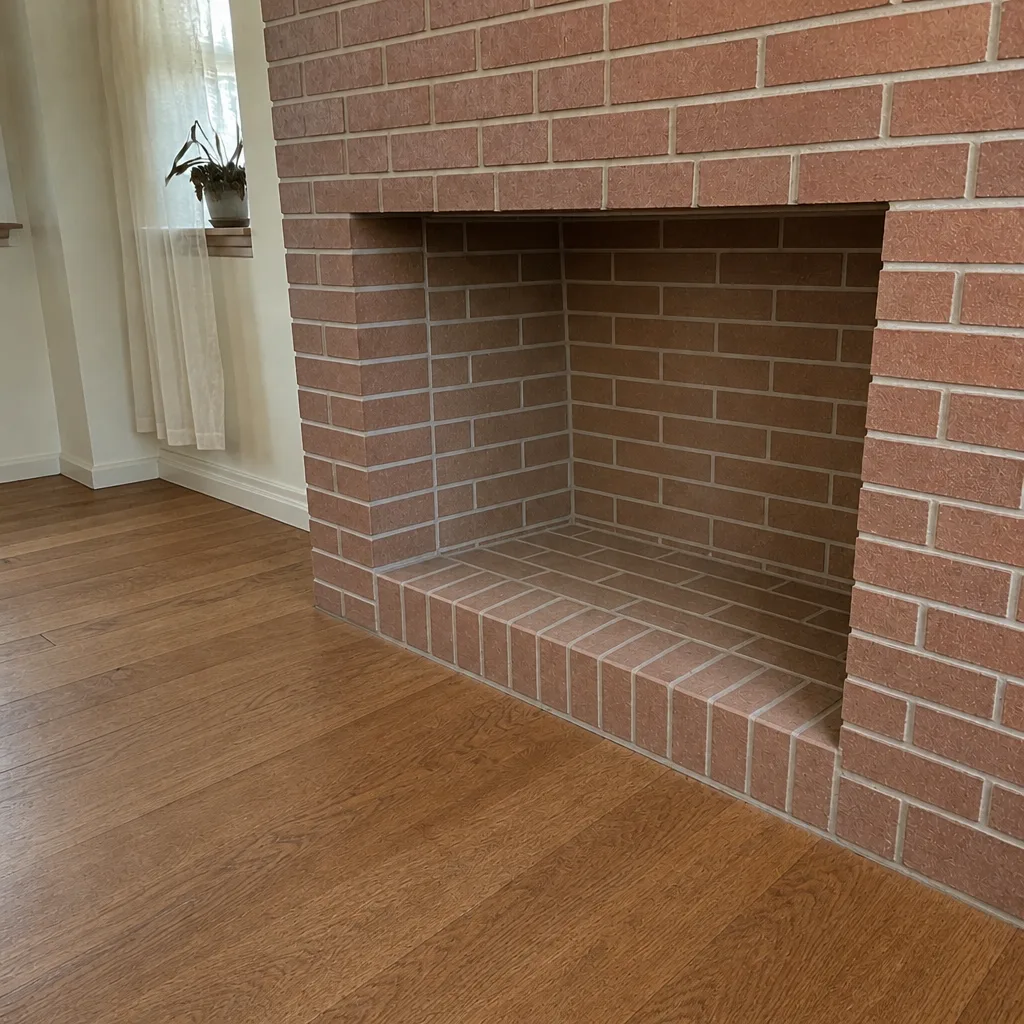
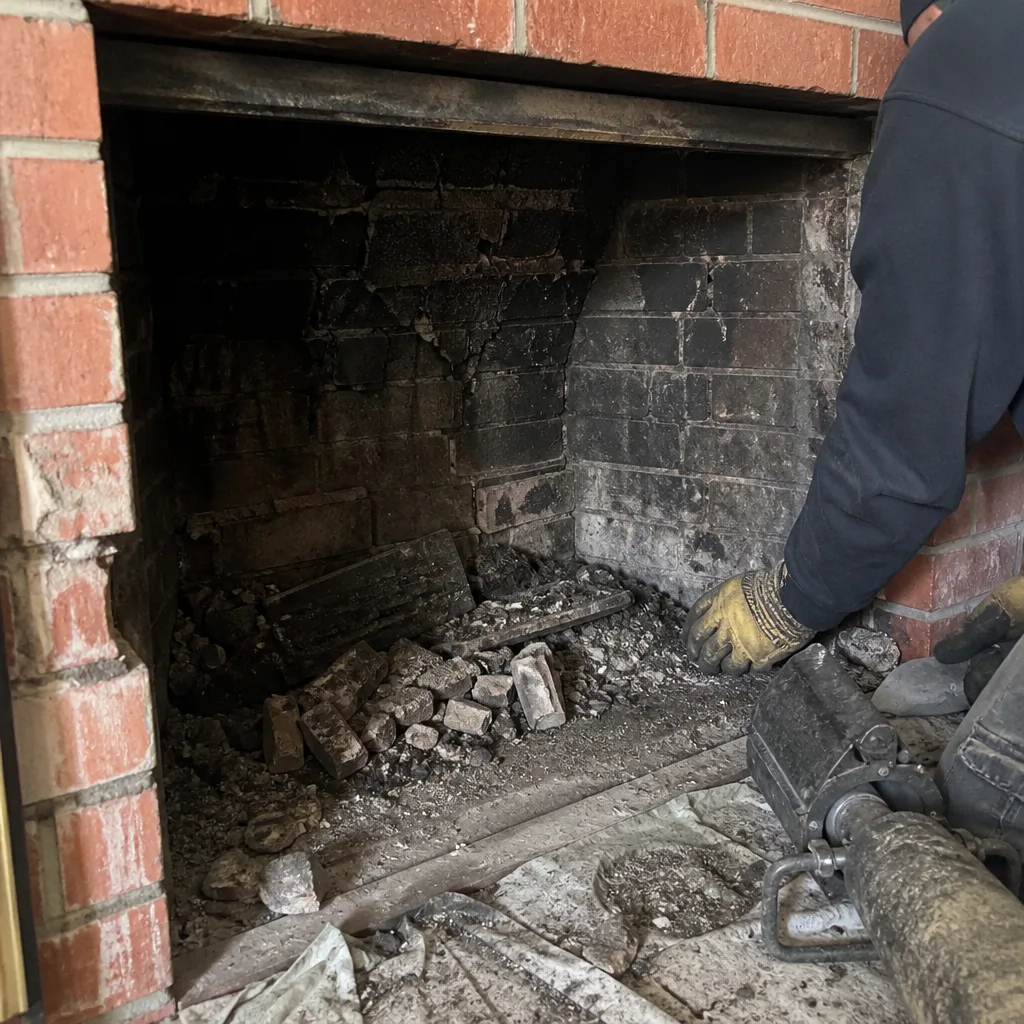
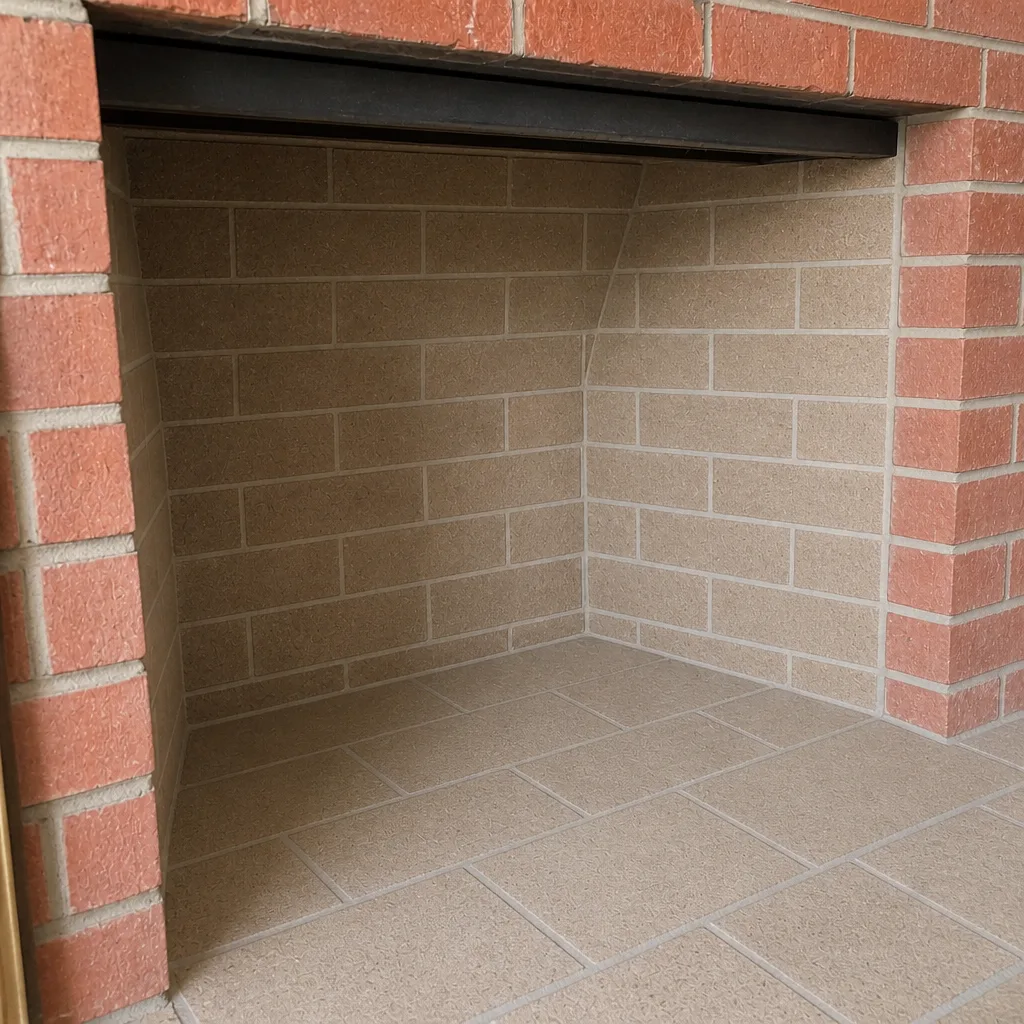
See the difference
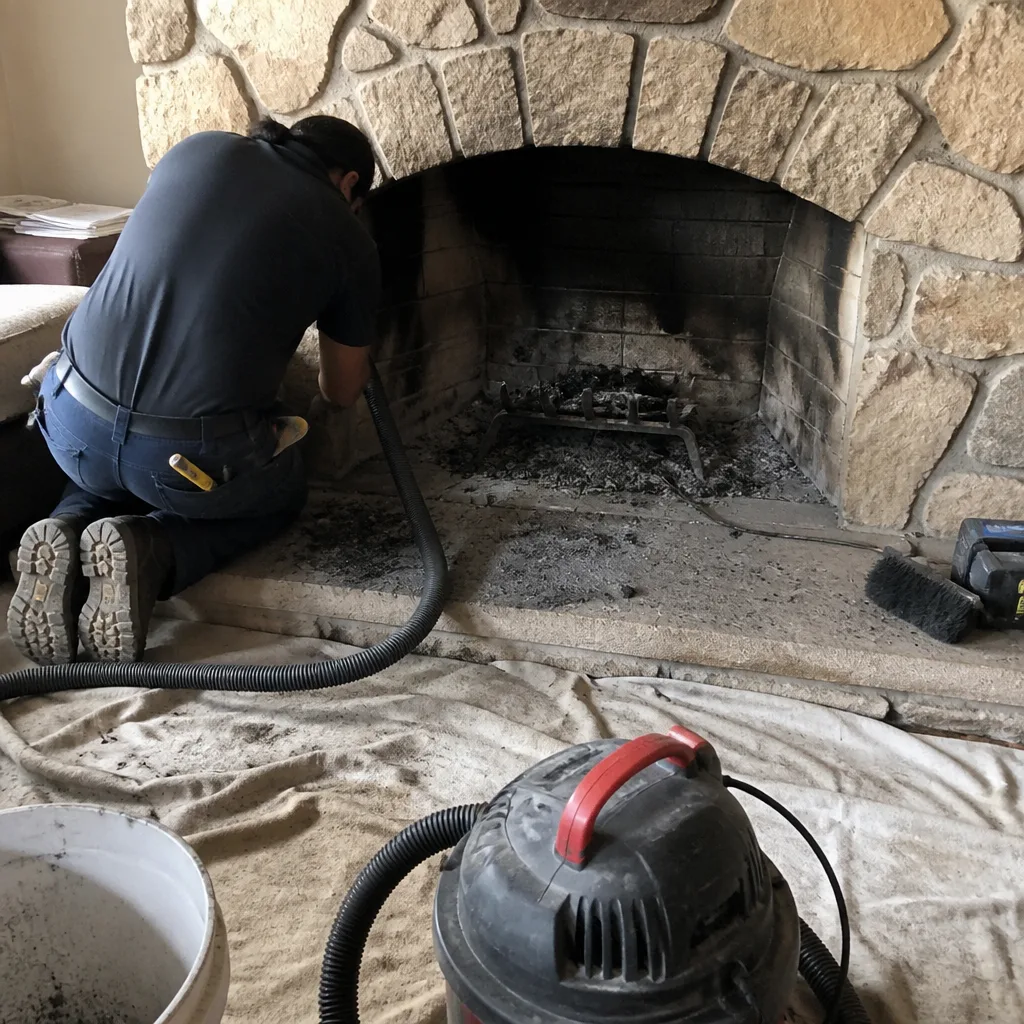 Before
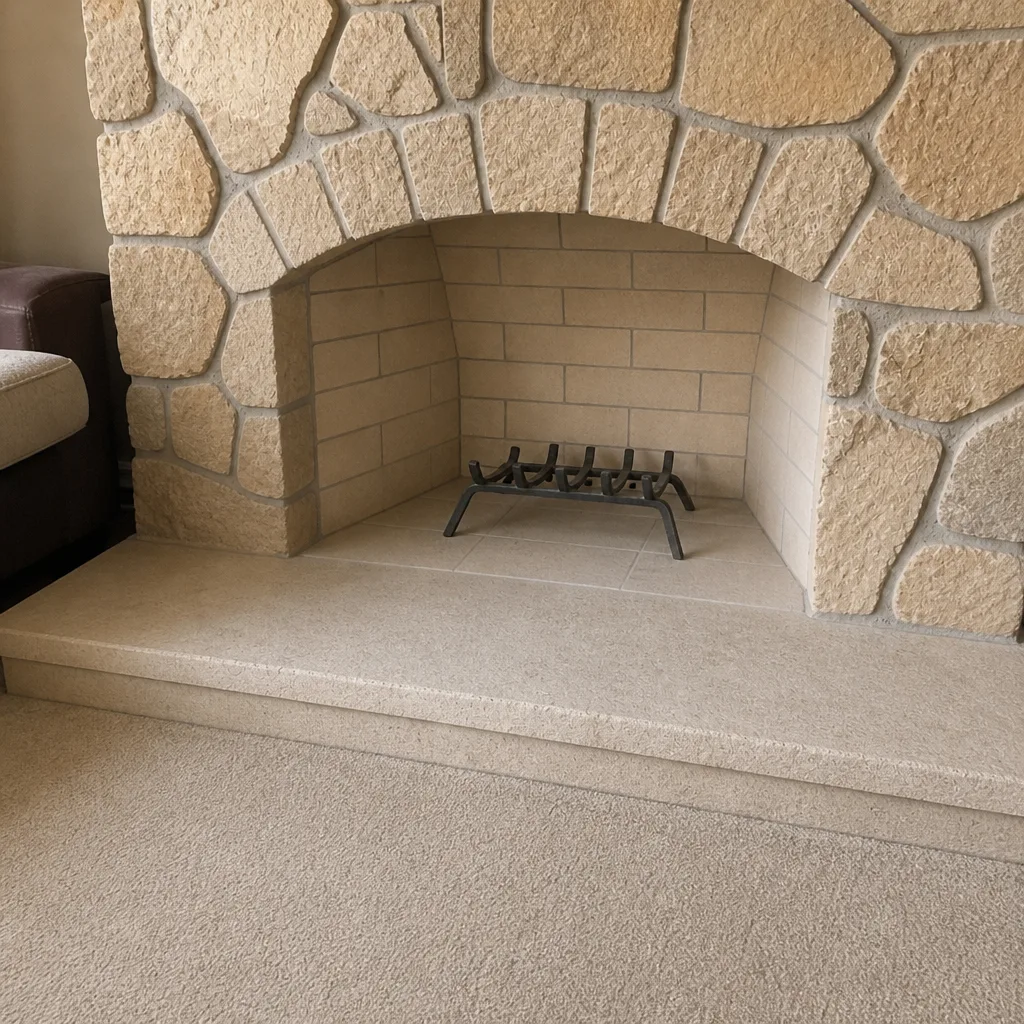 After
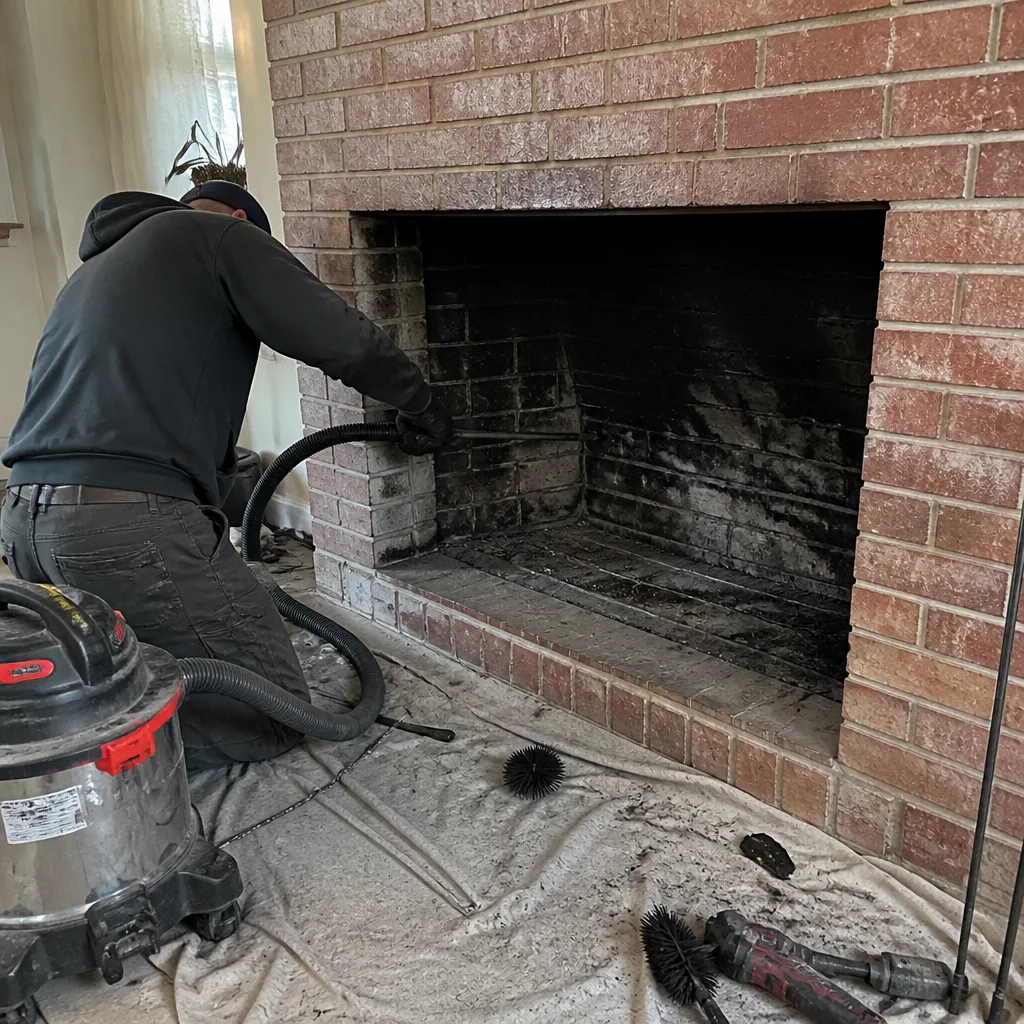 Before
 After
 Before
 After
When to Call a Professional
Call a chimney professional before the first fire of the season, after any chimney fire, when a visible crack or separation shows up in the firebox or flue, when water staining appears on the ceiling or chimney chase, when the smoke reverses or spills into the room, and before a planned structural repair so the permit path is planned correctly. The repair categories on this page, liner replacement and full replacement liner jobs in particular, are not do-it-yourself scope, and the clearances involved make the difference between a safe system and a dangerous one. Chimney Sweep Cherry Creek offers free estimates in Cherry Creek. Call (866) 937-8043. We answer 24/7. Fast dispatch from 7am to 7pm, Sunday through Friday, closed Saturday.
For a complete picture of what a specialist visit covers, start at Chimney Sweep Cherry Creek.
Frequently Asked Questions
No. Routine chimney cleaning doesn’t require a building permit in Cherry Creek or anywhere in Colorado, because sweeping doesn’t alter the structure or the liner. The permit question starts when a cleaning uncovers a repair that changes the flue or firebox. If your sweep finds something, ask the contractor to confirm in writing whether the repair crosses the permit threshold. Call (866) 937-8043 for an exact quote; estimates are free.
In most cases, yes. Liner replacement, relining, and firebox masonry work typically require a permit from the authority having jurisdiction, which depends on the parcel’s specific address in the Cherry Creek area. Culprits like a non-permitted liner installation can affect an insurance claim even if the work itself was done correctly. Confirm with the building department before work begins. Call (866) 937-8043 to review your scope; estimates are free.
A chimney inspection is an evaluation of the system’s condition, documented with photos and condition ratings, usually following NFPA 211 references for what gets reported. A chimney permit is a legal authorization from the building department to perform a specific repair. Both matter, and they’re separate steps. The inspection informs the repair; the permit authorizes it. Call (866) 937-8043 if you need an inspection first; estimates are free.
Yes, but it often becomes a negotiating issue. A buyer’s inspector will flag unpermitted structural chimney work, and the seller may end up paying for a retroactive permit or a re-inspection. The cleanest path is to correct the record before listing. Working with a specialist who documents each step makes that easier. Call (866) 937-8043 to talk through your options; estimates are free.
Interior work usually isn’t affected. Exterior changes to a chimney’s appearance, including material, profile, height, or finish, can trigger design review separate from the building permit. The building department can confirm the parcel’s overlay status. Plan for both tracks, since they run independently. Call (866) 937-8043 for an exterior scope review; estimates are free.
Keep the building permit and final inspection sign-off, the contractor’s written scope and invoice, the pre-repair and post-repair inspection reports with photos, material specifications for the liner or masonry products, and any manufacturer warranty documentation. File them together, and tell your insurer the repair was done. This file answers the questions a future insurer or buyer will ask. Call (866) 937-8043 to schedule documentation-first work; estimates are free.
The Bottom Line
Cleaning a chimney doesn’t require a permit in Cherry Creek. Replacing a liner, rebuilding a firebox, reconstructing a crown, or altering gas appliance venting usually does. The distinction matters because permitting is about the paper trail, and the paper trail is what an insurer or a buyer actually reads. The code details, including IRC Section R1003 and the NFPA 211 standards an inspection report references, describe a simple idea: the work was done with listed materials, inspected, and documented. Our technicians have up to 12 years of experience, and we work with trade-grade brands like Olympia Chimney and Famco for parts, DuraFlex for flexible liner systems, and HeatShield for liner resurfacing. If you’re about to have structural chimney work done in Cherry Creek, get the inspection first, confirm the permit with the building department, and keep the file. That’s the whole process.
Call (866) 937-8043. We answer 24/7. Fast dispatch from 7am to 7pm, Sunday through Friday, closed Saturday.
Written by the team at Chimney Sweep Cherry Creek.