
Last updated November 24, 2026
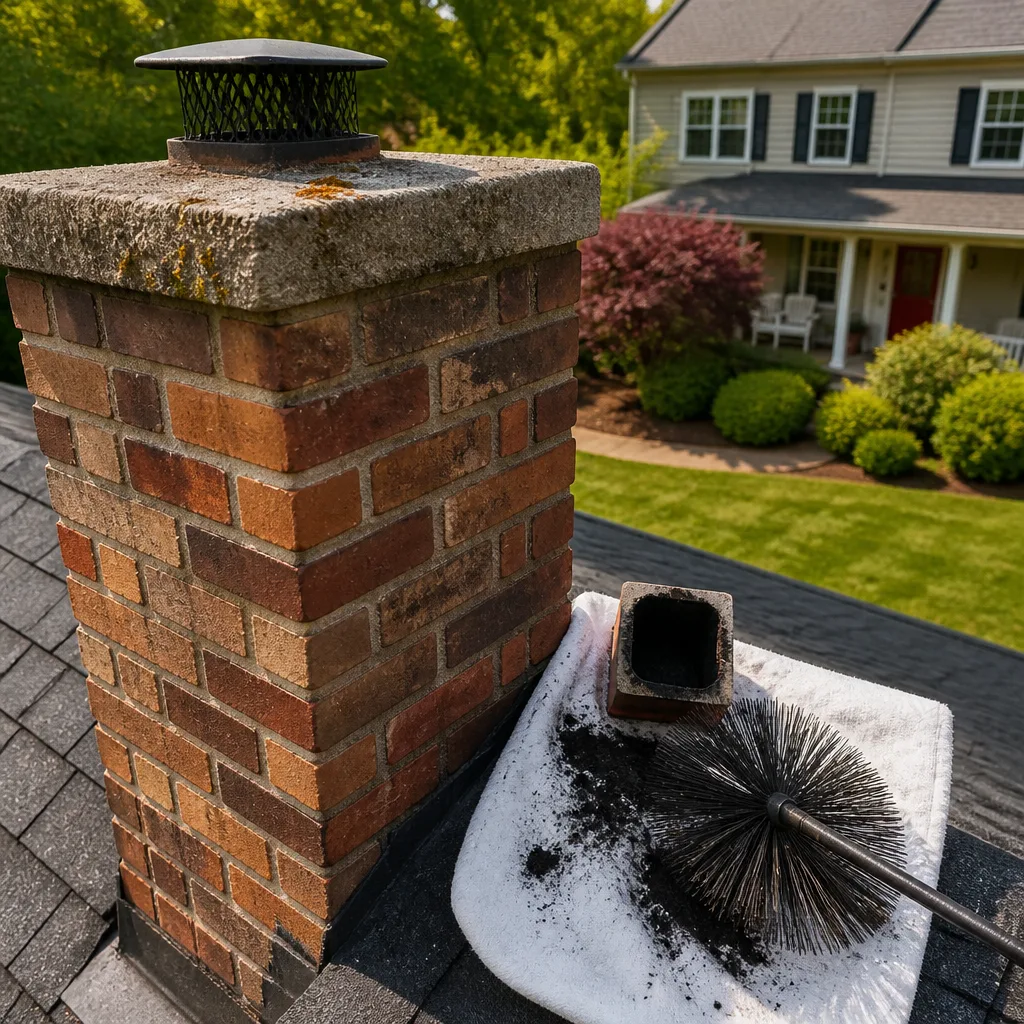 Sweep & inspection
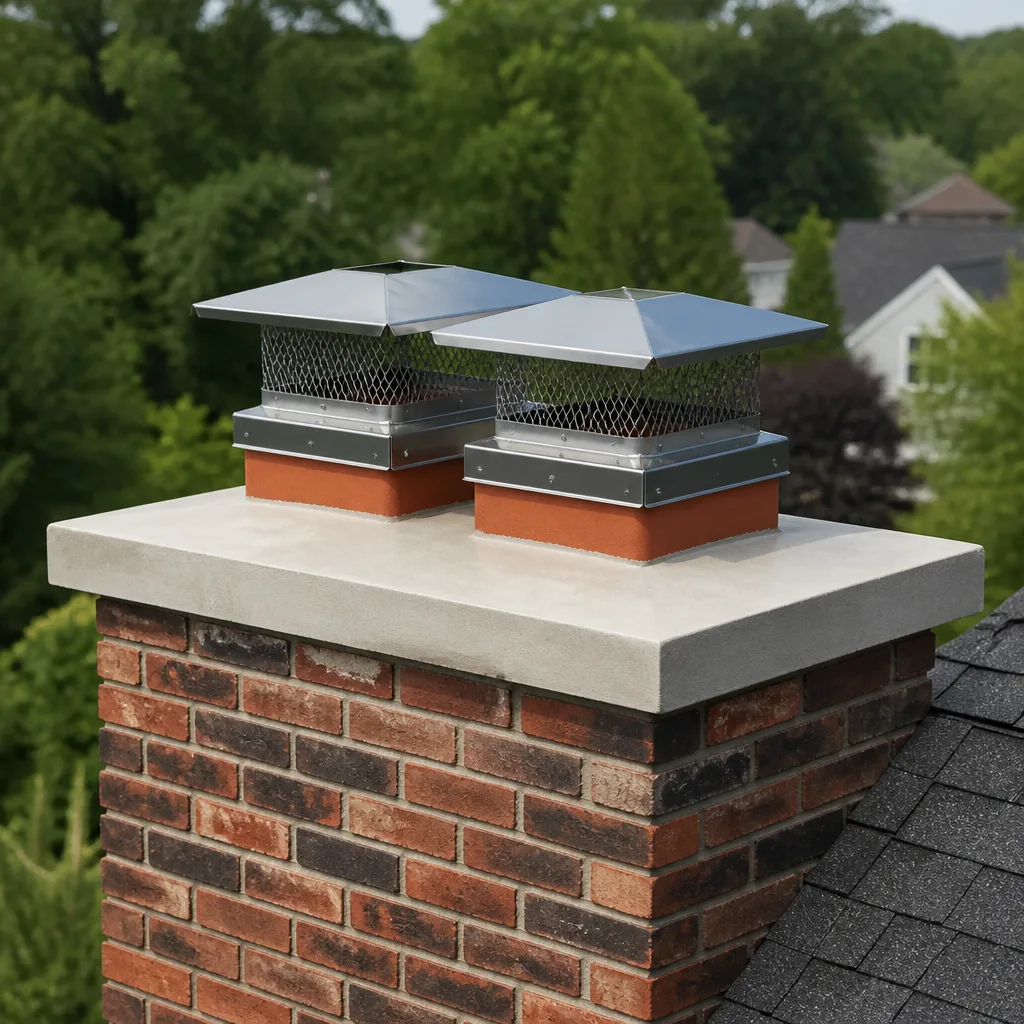 Caps & crowns
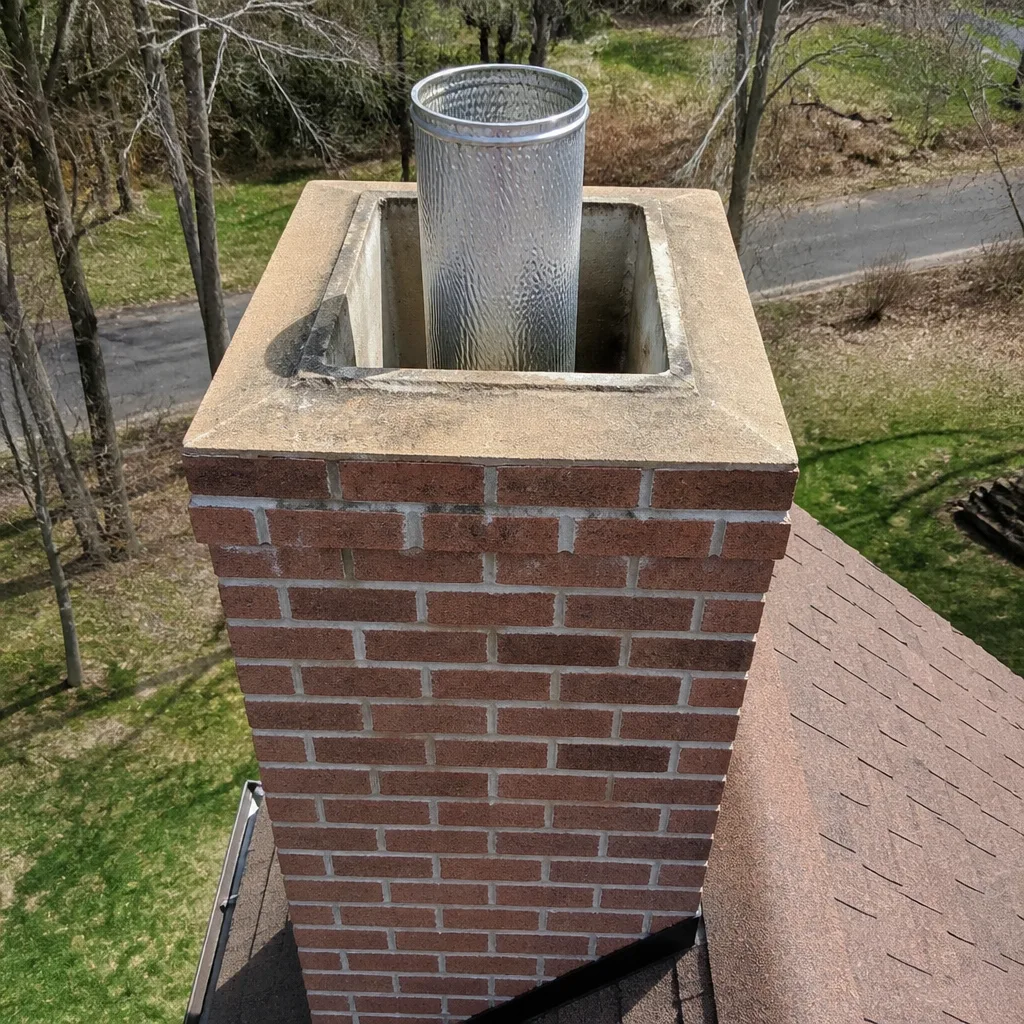 Flue relining
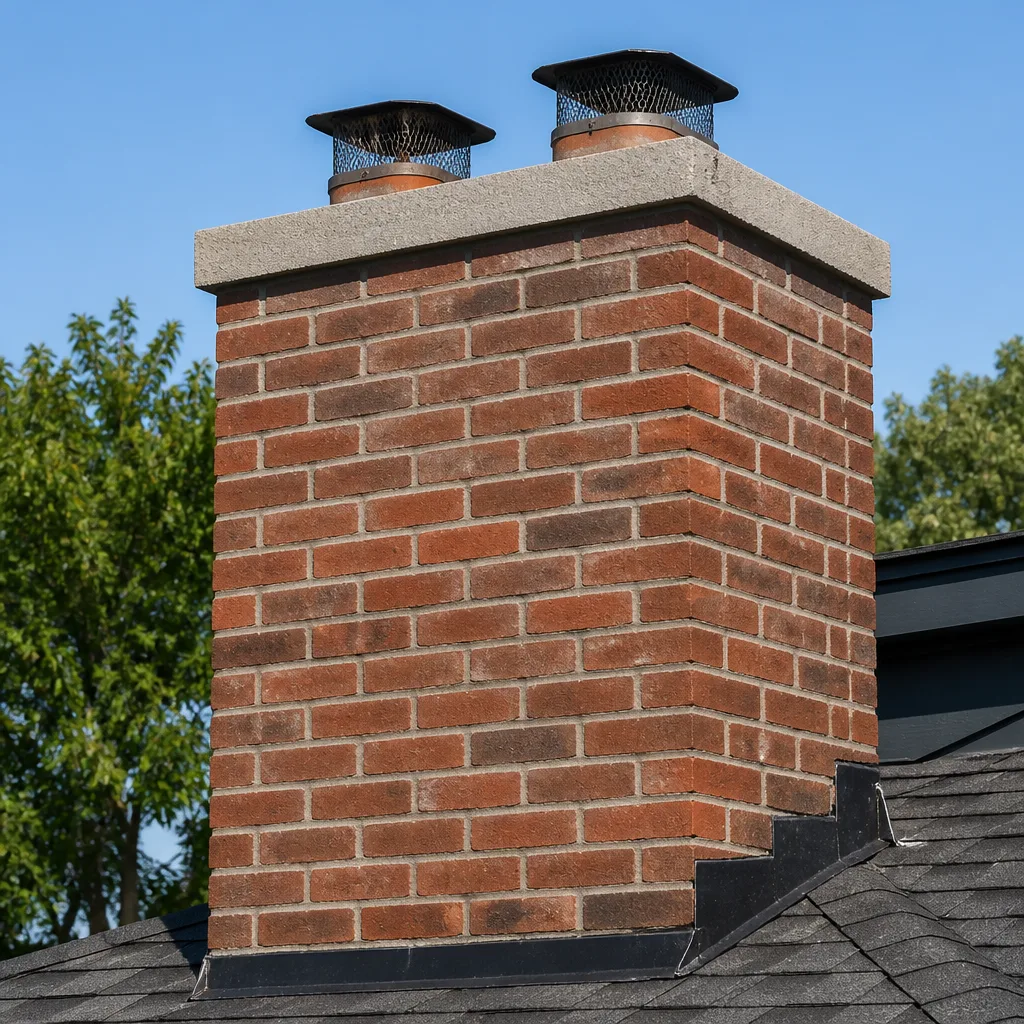 Masonry repair
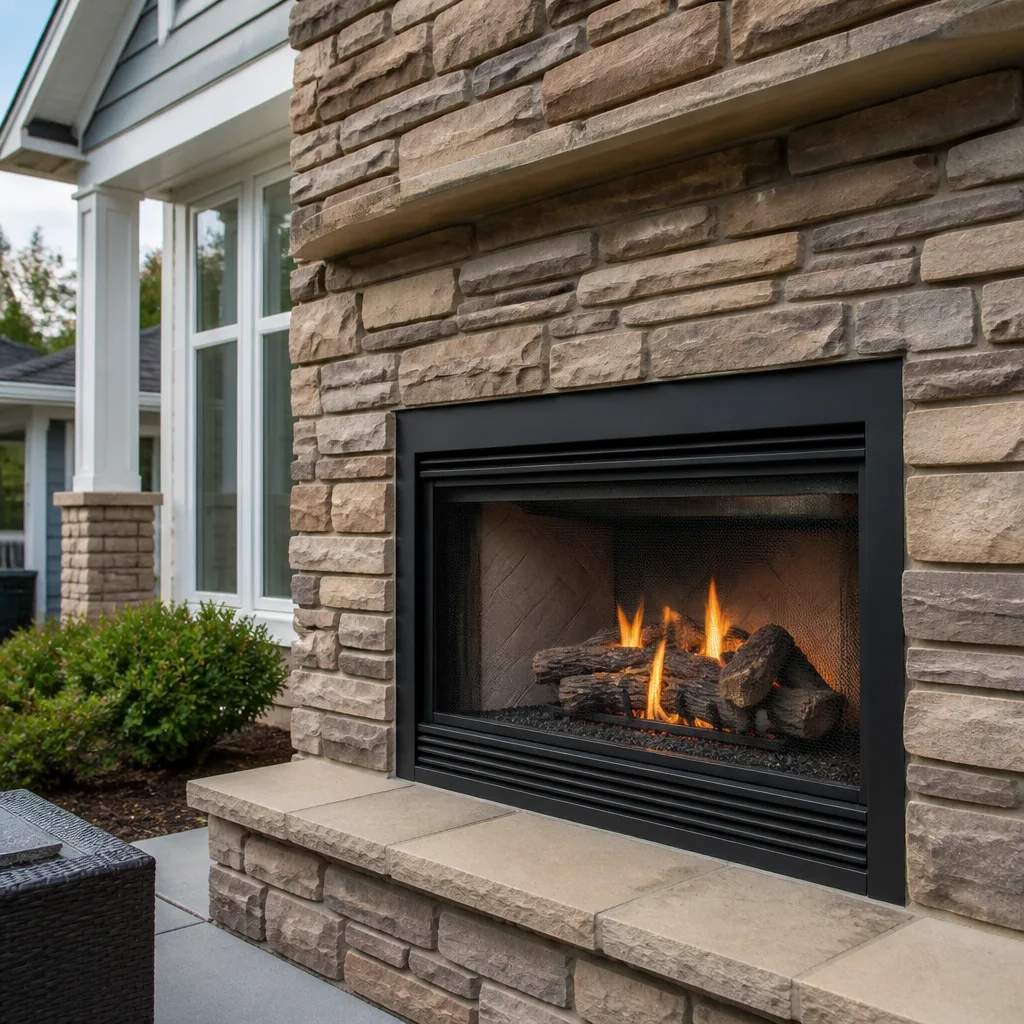 Gas fireplace service
Level 1 sweep and inspection to the NFPA 211 annual standard - flue, crown, cap, and flashing checked and photographed
Chimney sweep logs do not sweep chimneys. They loosen some creosote - which then falls where a brush and vacuum still have to collect it.
Chimney Cleaning Cost Breakdown: The Cherry Creek Homeowner’s Reference for 2026
That $99 sweep flyer in your mailbox almost always means a brush-only pass with no camera inspection. It’s the equivalent of cleaning your teeth without ever looking in the mirror. A brush knocks creosote loose, but it can’t tell you whether the flue liner has a crack behind it, whether the crown is channeling water into the masonry, or whether the smoke chamber is coated in glazed creosote that no brush will touch. The price looks low because the scope is low. Chimney cleaning in Cherry Creek runs from roughly $150 to well over $2,000 not because the market is chaotic but because those dollar figures describe completely different jobs. This guide maps every line item to the trade task behind it, so you can read an estimate accurately and judge whether a quote is fair or padded.
Quick Answer
A standard chimney sweep in Cherry Creek in 2026 typically costs $175 to $275, with a Level 1 inspection usually included and a Level 2 video inspection adding $150 to $300. Repair work scales from a $300 to $800 crown repair all the way to a $1,200 to $3,500 stainless liner replacement, depending on flue height, liner diameter and system type.
Styles & brands we work with
- Sweep & inspection
- Caps & crowns
- Flue relining
- Masonry repair
- Gas fireplace service
Table of Contents
- What actually drives chimney cleaning cost in Cherry Creek?
- 2026 line-item cost ranges for Cherry Creek homeowners
- Sweep vs. inspection: what am I really paying for?
- Creosote: the hidden variable behind every quote
- Repair and relining costs, explained without the sales pitch
- How to compare two quotes for the same job
- Which costs are one-time and which are recurring?
- Insurance and home warranty: what’s actually covered?
What actually drives chimney cleaning cost in Cherry Creek?
Two homeowners on the same block can get quotes $150 apart for what sounds like the same sweep. The difference almost always comes down to the system itself and how much work the flue demands. Cherry Creek’s housing stock mixes older masonry fireplaces with prefab systems from later builds, and each one prices differently. A masonry chimney with a clay tile flue takes longer to clean than a factory-built metal flue because there are mortar joints and offsets where creosote collects. Neighboring areas like Congress Park and Belcaro carry the same mix, so the variables travel.
Here’s what moves the number:
- Flue height and access. A tall chimney or one with a steep roof pitch above it takes longer to set up, and setup is labor. Straight-run access from the ground or through a flat section is faster.
- Liner diameter. A narrow flue limits brush size and slows the pass. Oversized flues collect more soot volume and take more passes to clear.
- Creosote degree. Light soot brushes out in one pass. Glazed, tar-like creosote in the third degree needs chemical treatment and mechanical removal on a second visit.
- Masonry vs. prefab. Masonry systems absorb moisture and stain; prefab systems have manufacturer clearances that affect how we clean and inspect around them.
- System condition. A chimney that hasn’t been touched in several seasons takes more time than one swept last year.
Cherry Creek’s dry, high-desert climate plays a role too. Cold nights and warm days swing the masonry, and that thermal cycling works on crowns and mortar joints. Water intrusion is a bigger driver of repair cost here than heavy soot, which is why a crown evaluation belongs in every visit and why chimney cap & crown work often surfaces on a first appointment.
2026 line-item cost ranges for Cherry Creek homeowners
Every quote you get should break out each task separately. When a company bundles everything into one vague number, you can’t tell what you’re paying for. Here’s what the individual line items typically run in the Cherry Creek market this year. These are estimates for planning; your written estimate sets the final price.
Standard sweep and inspection
| Line item | Typical range | What’s included |
|---|---|---|
| Standard chimney sweep | $175 – $275 | Brush cleaning of flue, firebox and smoke shelf; soot and creosote removal |
| Level 1 inspection add-on | $50 – $100 | Visual check of accessible components, often folded into a sweep |
| Level 2 video inspection | $150 – $300 | Camera scan of the full flue, photo report, documented findings |
| Creosote removal treatment | $75 – $200 | Chemical treatment for glazed or heavy buildup, sometimes a return visit |
Repair and structural work
| Line item | Typical range | What’s included |
|---|---|---|
| Crown repair or rebuild | $300 – $800 | Resurfacing, patching or partial rebuild of the crown cap |
| Crown coating (preventive) | ~$400 | Sealing coat on a sound crown to stop water intrusion |
| Stainless liner relining | $1,200 – $3,500 | Installation of a flexible stainless liner, sized to the flue |
| Liner resurfacing | Varies by flue | HeatShield restoration of a damaged clay liner without full replacement |
The low end of the relining range fits a straightforward single-story flue with good access and a standard diameter. The high end covers tall chimneys, tight access, insulation wrapping or a system that needs more than one component replaced. Liner resurfacing with HeatShield often costs less than a full reline because it restores the existing clay liner instead of replacing it, though not every damaged liner qualifies.
Sweep vs. inspection: what am I really paying for?
A sweep cleans; an inspection evaluates. They’re different jobs, and treating them as one is where homeowners lose money on both ends.
A proper chimney sweep removes soot, creosote and debris from the flue, firebox and smoke shelf. It leaves the system cleaner than it started. What a brush cannot do is see behind it. It can’t confirm whether the liner is intact, whether a mortar joint has failed, or whether there’s a hidden crack that a fire could exploit. That’s the inspection’s job, and a competent sweep includes at least a Level 1 visual check.
Here’s how the three inspection levels break down by scope:
- Level 1 – a visual check of all accessible components during a routine sweep or annual visit. Readily accessible parts only. This is the baseline.
- Level 2 – a camera inspection of the full flue with a documented photo report. Required when the system changes hands, when a problem is suspected, or after a chimney fire.
- Level 3 – a diagnostic inspection that may open concealed areas of the chimney to locate a specific defect.
In our experience, the Level 2 video inspection is the line item most often skipped to shave a quote down, and it’s the one that turns a guess into a fact. When we recommend repair work, we show you the camera footage first. Nothing gets recommended without evidence you can see for yourself. If the system is sound, we say so, and a resurfacing or reline can wait. Inspection is available as a standalone service, which means you can get an honest read on your system before committing to any repair at all.
Creosote: the hidden variable behind every quote
Creosote is the reason chimney cleaning isn’t a flat fee. It’s the residue that forms when wood smoke condenses on the flue, and it builds in three distinct forms that require different removal methods.
- First degree – light, flaky soot. A standard brush pass removes it in a single visit.
- Second degree – a crusty, brittle layer that needs more mechanical effort and sometimes a chemical softener to break down.
- Third degree – glazed, tar-like creosote that bonds to the flue surface. A brush skips right over it. This form requires chemical treatment over days, then mechanical removal, often on a second visit.
Third-degree creosote is the real fire risk. It’s highly combustible and can ignite from a stray ember or an overheated flue. A chimney full of glazed creosote is the single most common reason a routine sweep quote doubles once someone climbs up and looks. Burning unseasoned wood or restricting air to stretch a fire builds creosote faster. Cherry Creek’s dry climate helps with seasoning if you store wood under cover, but damp wood still causes the problem.
That’s why the creosote removal treatment line ($75 to $200) exists as a separate charge. When a sweep finds third-degree buildup, the honest answer is to treat it properly rather than brush past it and call it clean. If the sweep is the only thing on the invoice and there’s no inspection behind it, the quote probably isn’t telling you everything.
Repair and relining costs, explained without the sales pitch
The biggest cost swings in chimney work come after the sweep, when the inspection turns up a problem. Understanding what each repair actually is prevents both overcharges and dangerously cut corners.
Crown repair ($300 to $800) addresses the concrete cap at the top of the chimney. A cracked or deteriorated crown lets water run into the masonry, where it freezes, expands and spalls the brick. A partial repair or rebuild fixes the damage; a coating seals a sound crown before water gets in. This is where the math favors early action. A preventive crown coat today can offset a full crown rebuild years from now, because water damage compounds.
Stainless liner relining ($1,200 to $3,500) is the big-ticket repair, and it’s the one most subject to padded quotes. A professional specification matters here. There’s a real difference between a generic “liner” on a quote and a clearly named product: a UL-listed 316L stainless steel flexible liner with insulation. That specification tells you exactly what’s going into your flue, its corrosion rating, its temperature class and whether it’s insulated. Ask for the specification, not just the word “liner.” We install DuraFlex flexible liner systems and restore damaged clay liners with HeatShield resurfacing, both professional trade systems sourced for chimney work specifically, not general-purpose substitutes.
Liner resurfacing with HeatShield can restore a damaged or deteriorated clay flue without a full reline. It’s not right for every liner, but when it qualifies, it saves real money over replacement. The trade-brand parts we use (Olympia Chimney, Gelco, Famco, Copperfield) are purpose-built for chimney systems, which matters when you’re buying a repair you can’t see once it’s installed.
One safety note: high-tension springs and cables aren’t part of a chimney, but liners and masonry work are still best handled by a trained chimney specialist. The flue is a fire-containment system; a shortcut here isn’t a cosmetic mistake.
How to compare two quotes for the same job
The best defense against a padded quote or a cut-corner lowball is reading both estimates side by side with the right questions. Here’s the test.
- Does the quote name the materials specification? “Liner” is not a specification. “UL-listed 316L stainless steel flexible liner with insulation” is. A quote that won’t name the product is a quote you can’t compare.
- Is the inspection a line item? If the sweep quote has no Level 2 video inspection, ask why. On a system with a suspected problem, skipping the camera is the equivalent of buying a repair on a guess.
- Is the scope identical? One quote for a sweep alone and one for a sweep plus inspection aren’t competing prices. Make sure both cover the same tasks before comparing the totals.
- Does the low quote explain the high one? If one company quotes a reline and another says the liner is fine, ask what evidence each one has. A camera report settles it. If only one of them can show you footage, you’ve found your answer.
- Are the recurring costs named? A quote that covers one thing and leaves out the annual sweep, the cap check and the crown evaluation is a quote for this year only. Look for the whole-system view.
- Does the quote include a written estimate? The final price should be set by a written estimate before any work begins. Verbal ballparks and “we’ll see when we get up there” are the opposite of that.
Run both quotes through these six checks. The honest one will pass almost automatically, and the padded or thin one will show its gaps.
Which costs are one-time and which are recurring?
Homeowners often treat the sweep and the crown repair as the same category of expense. They aren’t, and separating them changes how you budget for a chimney in Cherry Creek.
Recurring costs are the maintenance items you’ll see on a schedule. A standard sweep belongs here, plus a cap and crown check on each visit. Annual to periodic sweeping keeps creosote from reaching the level that forces a costly treatment, and it keeps the inspection current so small defects don’t grow into structural work.
One-time costs are the repair and upgrade items: the crown rebuild, the liner reline, the resurfacing. These happen once when the system needs them, then the maintenance schedule keeps them from recurring. A professional liner, properly installed, sets you up for years of normal maintenance rather than another reline.
Here’s the budgeting logic. A preventive crown coat is a small recurring-adjacent expense that protects against a larger one-time repair. Water intrusion is the slow, quiet cost driver in a chimney system; it works on the crown, the flashing and the masonry over time. Spending on prevention early is the cheapest strategy in the whole guide. A fireplace repair handled before the firebox cracks is a maintenance cost; the same defect left alone can spread into the structure. Plan the recurring work, and the one-time work stays rare.
Insurance and home warranty: what’s actually covered?
Homeowners insurance generally distinguishes between a defect that develops over time and damage from a sudden event. Routine chimney maintenance and wear-related repairs like a deteriorated crown or a cracked clay liner from age usually fall outside a standard homeowner policy, because they’re maintenance and gradual deterioration rather than a sudden loss. Damage from a sudden event, such as a chimney fire or a lightning strike, is more likely to be covered, subject to your deductible and policy terms. Home warranty coverage is a separate product and varies widely.
Whether a claim succeeds often hinges on documentation rather than the event itself. Keep a written record of what was found and when, and ask for the camera inspection photo report. A documented inspection showing the system’s condition before and after gives an insurer the paper trail to process a claim. Without that record, a claim for sudden damage is harder to support.
This is one more reason a Level 2 video inspection is worth its cost. The photo report is the evidence you hand to your insurer if you ever need to. A brush-only sweep leaves you with no photos and no documentation. Always read your policy and confirm coverage with your insurer before assuming a repair is covered.
Common Mistakes to Avoid
- Chasing the lowest sweep price. A brush-only pass with no inspection isn’t a bargain; it’s half the job. You pay twice when the hidden defect shows up later.
- Accepting a “liner” quote without a specification. Generic materials can mean a big-box substitute. Ask for the exact product, its stainless grade and insulation.
- Skipping the camera because the sweep came back clean. A clean flue can still have a cracked liner behind the creosote. The camera finds what the brush can’t.
- Deferring crown work to “next year.” Water intrusion compounds. A crack that gets a small repair now can become a larger rebuild later. In Cherry Creek’s freeze-thaw swings, that timeline shortens.
- Assuming insurance covers a worn-out system. Maintenance and age-related repairs are typically outside a standard policy. Confirm coverage before the work, not after.
- Burning unseasoned wood to save money. Wet wood builds creosote faster, and the creosote treatment costs more than the dry wood would have.
- Hiring a generalist. A chimney is a fire-containment system, not a home-maintenance add-on. A specialist who works on chimneys exclusively reads the whole system, not just the flue.
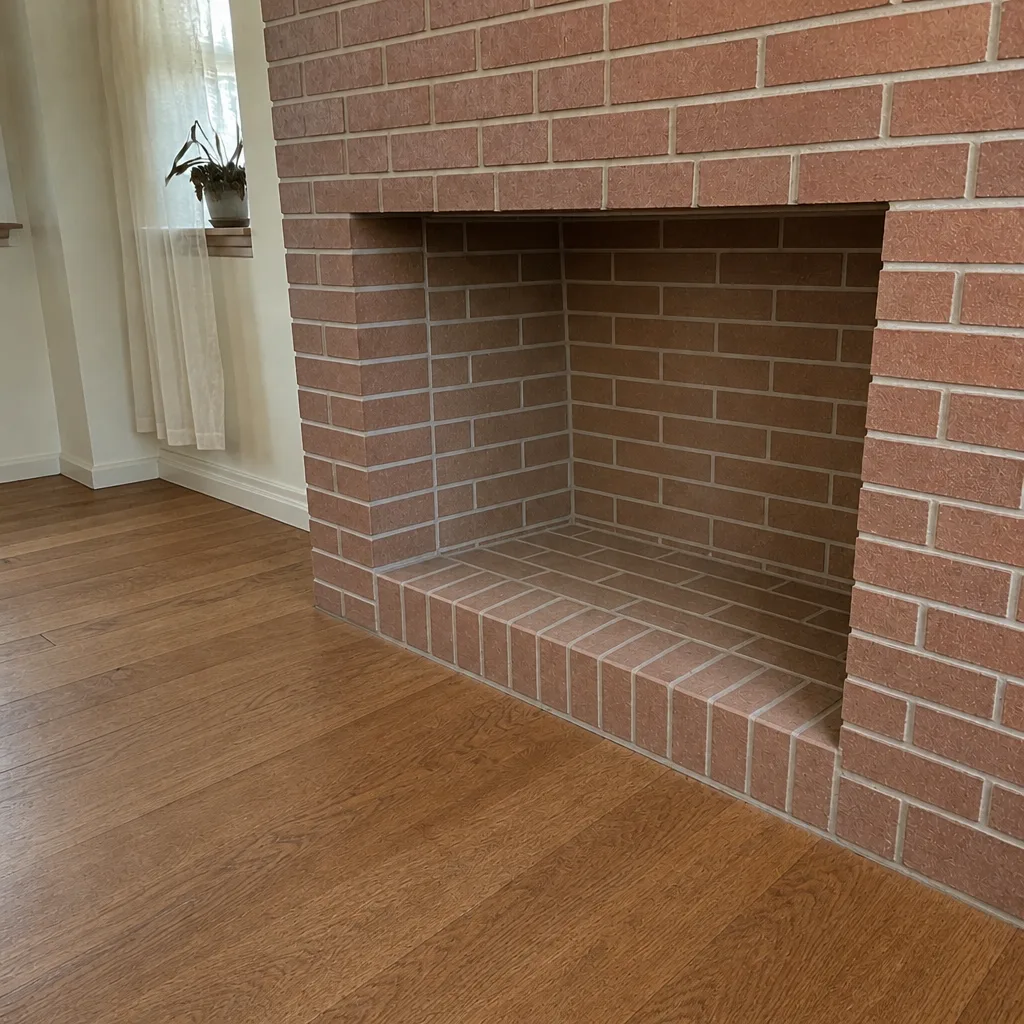
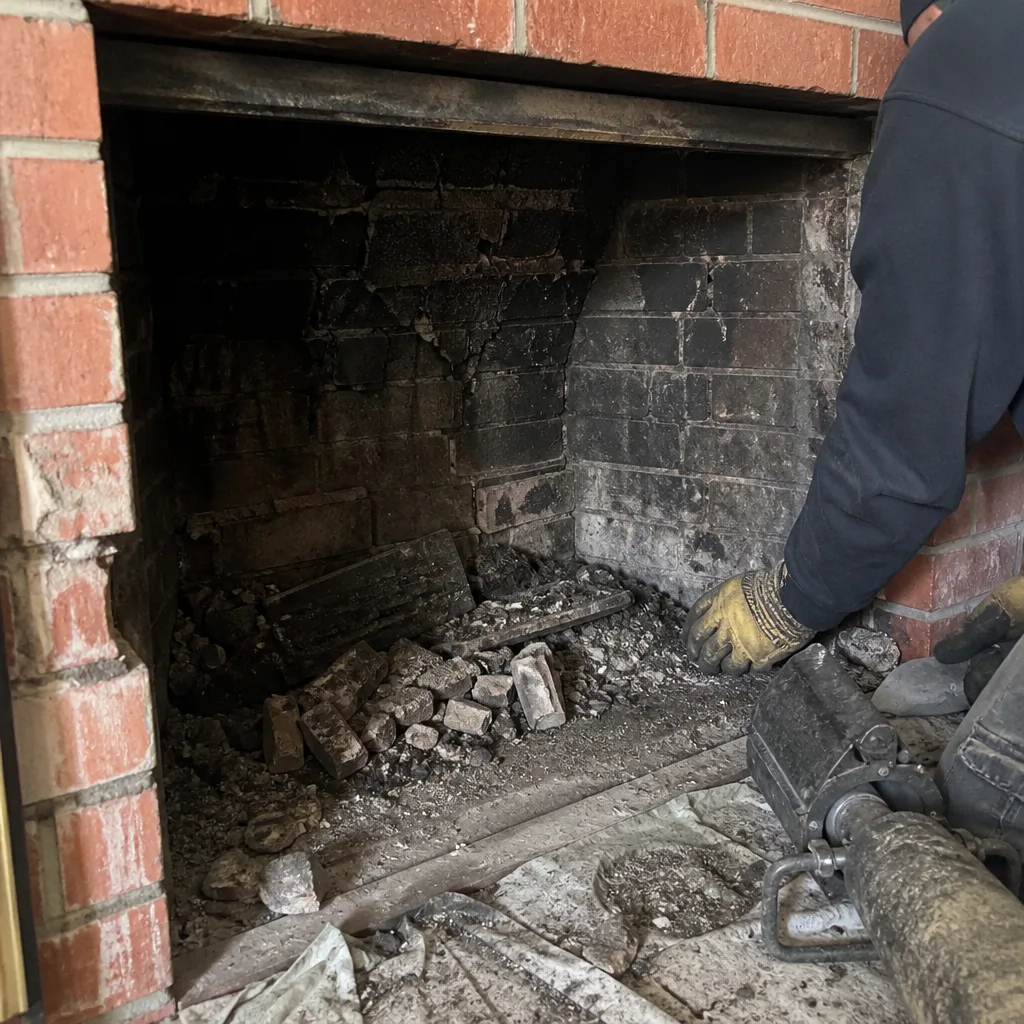
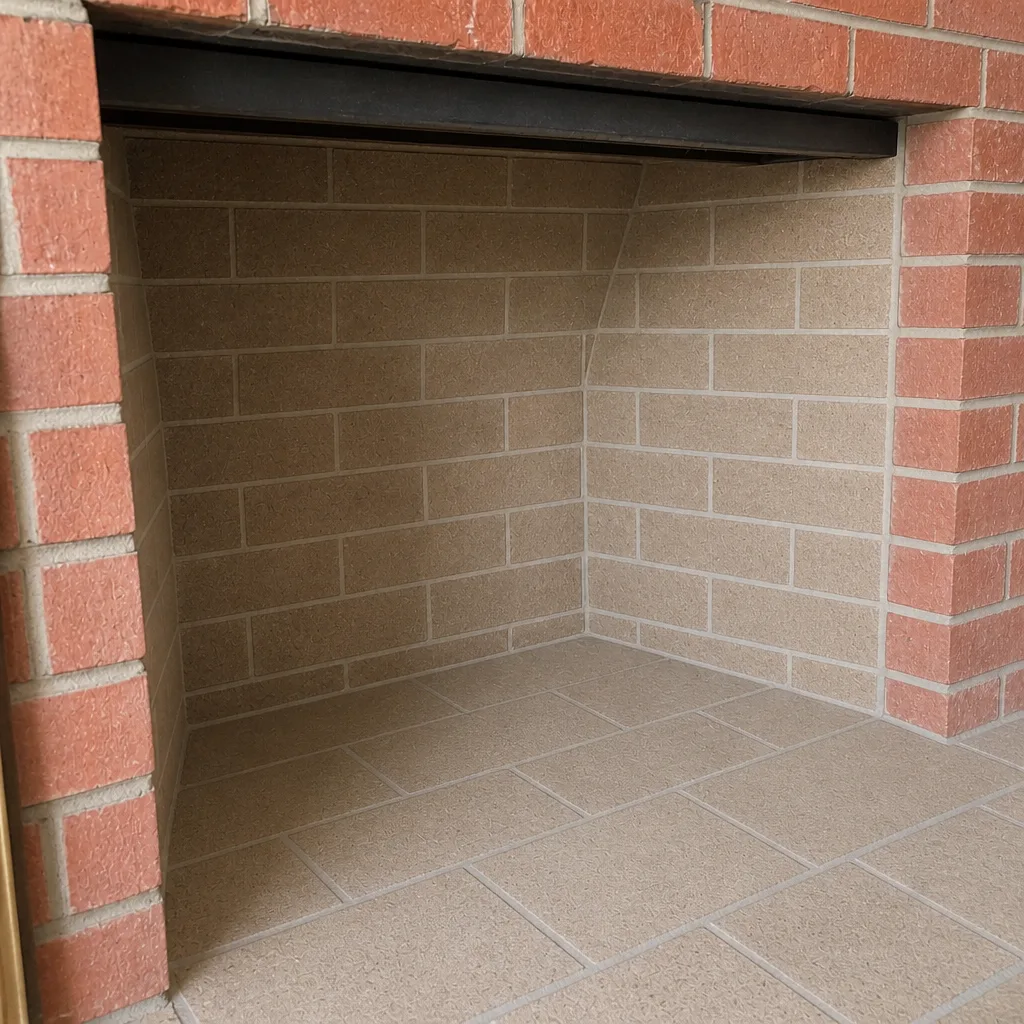
See the difference
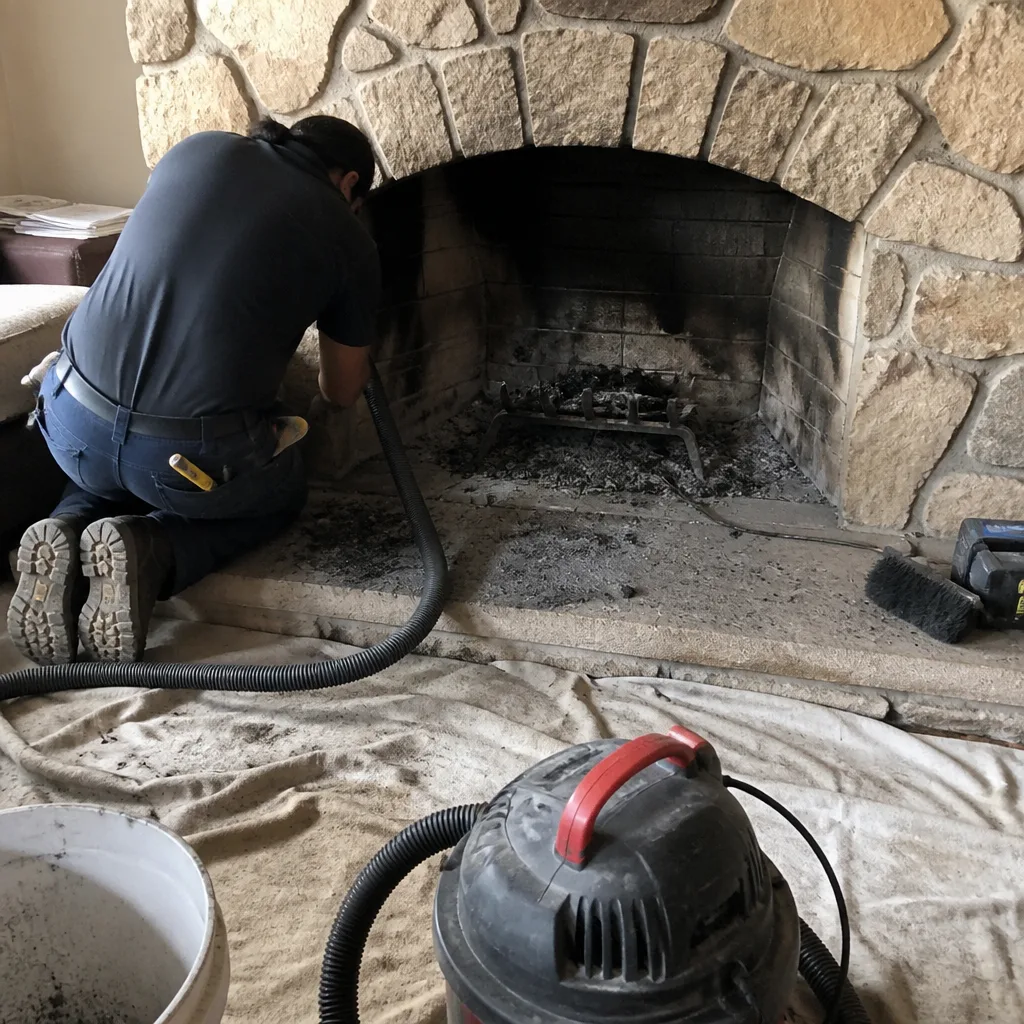 Before
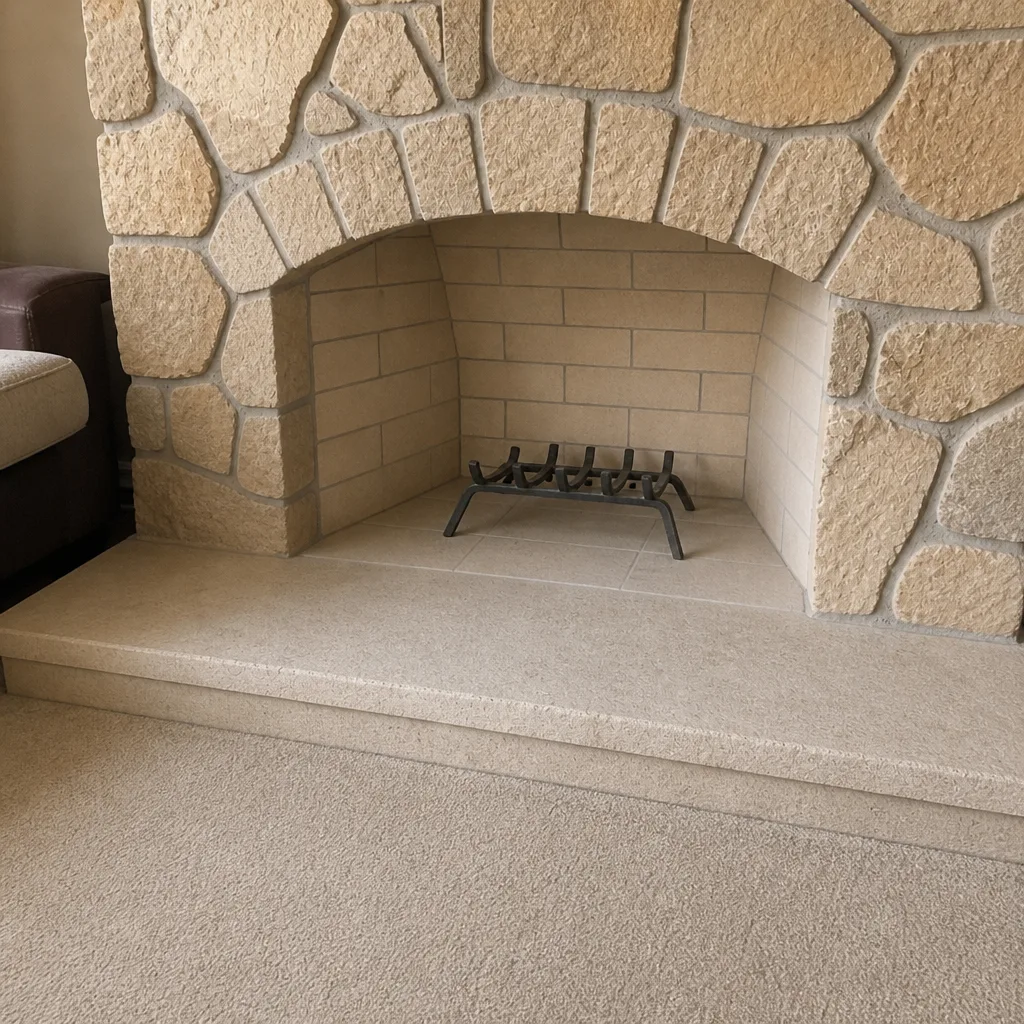 After
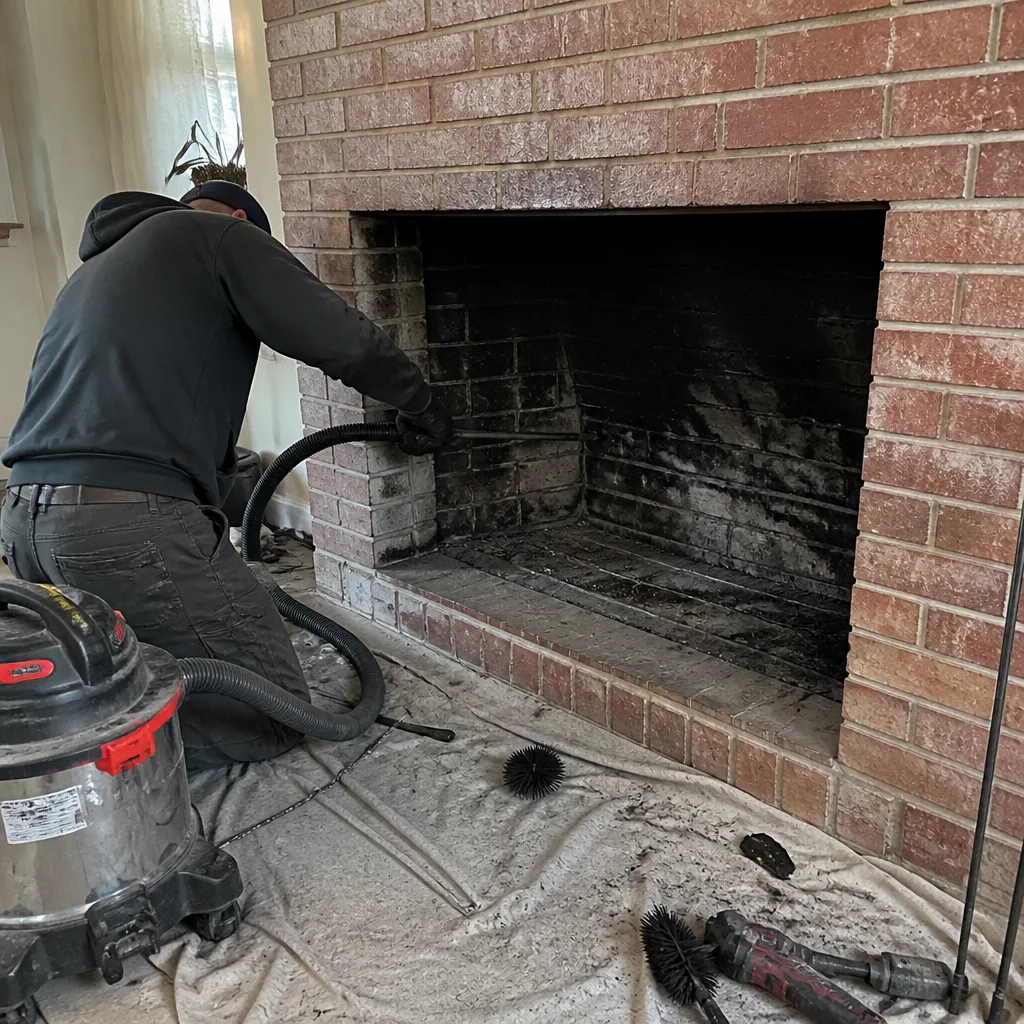 Before
 After
 Before
 After
When to Call a Professional
Some chimney work is an annual habit; some is a call now. Book a professional when you’re before the first fire of the season and haven’t had the system swept. Call sooner if you smell smoke backing into the room, if you see black staining on the chimney exterior, if the cap or crown shows cracks, or if you’ve had a chimney fire even if it seemed to burn out on its own. A damaged liner or a blocked flue is a carbon monoxide and fire concern that a visual check from the ground won’t catch. A trained specialist with a camera and the right tools settles those questions in one visit. Chimney Sweep Cherry Creek offers free estimates in Cherry Creek. Call (866) 937-8043. We answer 24/7. Fast dispatch from 7am to 7pm, Sunday through Friday.
Frequently Asked Questions
A standard chimney sweep in Cherry Creek typically runs $175 to $275 in 2026, and most sweeps include a Level 1 visual check. A Level 2 video inspection adds $150 to $300 and is the line item that turns a guess into a documented finding. Call (866) 937-8043 for an exact quote, estimates are free.
Only if the inspection shows the existing liner is damaged, cracked or no longer suitable for the appliance. A stainless reline costs $1,200 to $3,500, so it should never be recommended on a hunch. We show you the camera footage first and tell you plainly if the liner is sound and the work can safely wait. Call (866) 937-8043 to book an inspection, estimates are free.
Sweeping on an annual or periodic schedule keeps creosote from reaching the level that forces a treatment, and it keeps the inspection current. Homes that burn regularly should be checked before the first fire of the season. Call (866) 937-8043 for an exact quote, estimates are free.
Creosote builds in layers, and third-degree deposits are highly combustible and can ignite. A skipped sweep also means no camera check, so a cracked liner or a failing crown goes unnoticed until the damage spreads. Call (866) 937-8043 for an exact quote, estimates are free.
A crown repair at $300 to $800 protects the masonry from water intrusion, which is the slow cause of larger structural damage. A preventive crown coat on a sound crown is the cheapest version of that protection. We tell you when the work can safely wait and when it shouldn’t. Call (866) 937-8043 for an exact quote, estimates are free.
Standard policies usually exclude maintenance and age-related repairs but may cover damage from a sudden event like a chimney fire, subject to your deductible. A documented video inspection gives you the paper trail a claim needs. Confirm coverage with your insurer first. Call (866) 937-8043 for an exact quote, estimates are free.
The Bottom Line
Chimney cleaning costs in Cherry Creek range from $150 to over $2,000 because each dollar figure maps to a different scope of work. A brush-only sweep is cheap; a sweep with a camera inspection, a crown evaluation and a documented report is the one that protects your home. Read every quote by its line items and its materials specification, not its bottom number. We handle the full system, from the firebox to the crown, with professional trade materials and a no-pressure inspection first. Chimney Sweep Cherry Creek offers free estimates. Call (866) 937-8043. We answer 24/7. Fast dispatch from 7am to 7pm, Sunday through Friday. Our technicians have up to 12 years of experience.
Written by the team at Chimney Sweep Cherry Creek.